
Introduction
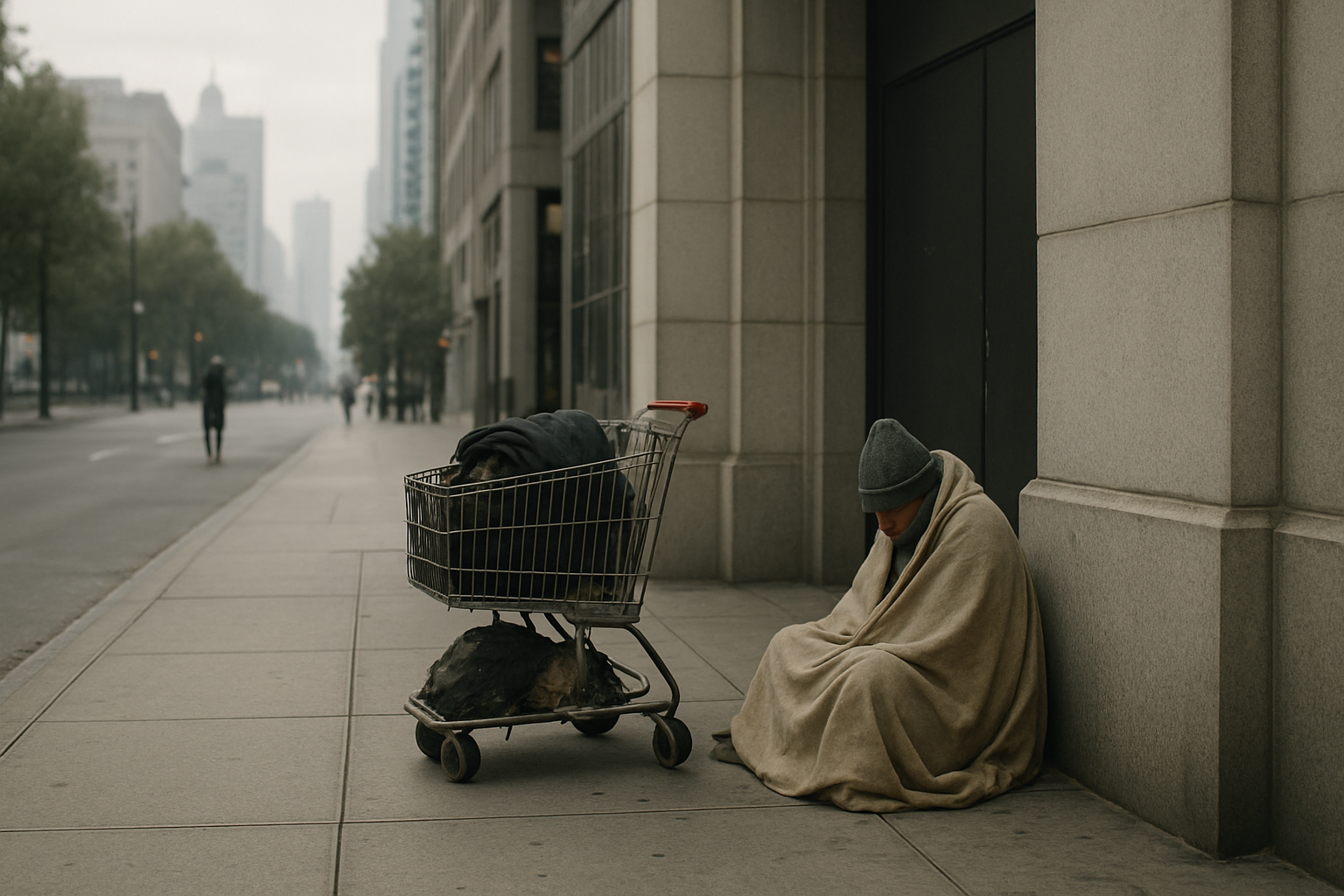
Homelessness is more than a statistic—it's a human story playing out in cities and towns around the globe. Recently, with economic uncertainty and social safety nets under strain, discussions about homelessness have surged into public consciousness. I find myself drawn to this topic, given its complexity and the urgency that surrounds it.
This isn’t just about people lacking shelter. It’s about mental health, housing policy, employment, and the fabric of our communities. Why do so many still face homelessness despite advances in technology and wealth? Exploring this question may lead to innovative—and compassionate—solutions.
What's Happening
Homelessness has hit alarming levels in many parts of the world, especially in the United States, where the Department of Housing and Urban Development (HUD) reported over 650,000 people experiencing homelessness on a given night in 2023—a number that’s been steadily rising. The COVID-19 pandemic, soaring rents, and inflation have all contributed to the crisis. But the problem runs deeper.
- Causes: A combination of skyrocketing housing costs, stagnant wages, mental illness, substance abuse, and breakdowns in family or social support systems.
- Trends: More families and employed individuals are becoming homeless, challenging the stereotype of homelessness as only affecting single adults or those with addiction issues.
- Response: Cities are divided between heavier law enforcement and investment in permanent supportive housing or 'Housing First' programs.
- Public discourse: The visibility of tent cities and encampments in urban centers has forced citizens and policymakers to confront root causes and rethink traditional approaches.
It's important to remember there’s no single path into or out of homelessness. Experiences vary widely, and solutions must be equally nuanced.
Why This Matters
The impacts of homelessness ripple beyond those directly experiencing it. Public health, safety, urban development, and the basic social contract are all affected when people lack safe shelter. Children in homeless families face developmental challenges, while communities grapple with economic costs and shifting neighborhood dynamics.
With widespread attention focused on homelessness, there's an opportunity for new collaborations between governments, non-profits, tech innovators, and private citizens. The way society responds not only shapes the futures of those without homes, but reflects broader values around dignity, equity, and responsibility.
Different Perspectives
Policy Makers & City Officials
Many officials are torn between public demands for visible change and the long-term work of addressing root causes. Some focus on regulating encampments, while others advocate for affordable housing development and wraparound services.
Advocacy Groups & Social Workers
Advocacy organizations often push for a "Housing First" approach—offering stable housing as the foundation for tackling other issues. From their perspective, treating housing as a right leads to better outcomes and reduced costs over time.



