
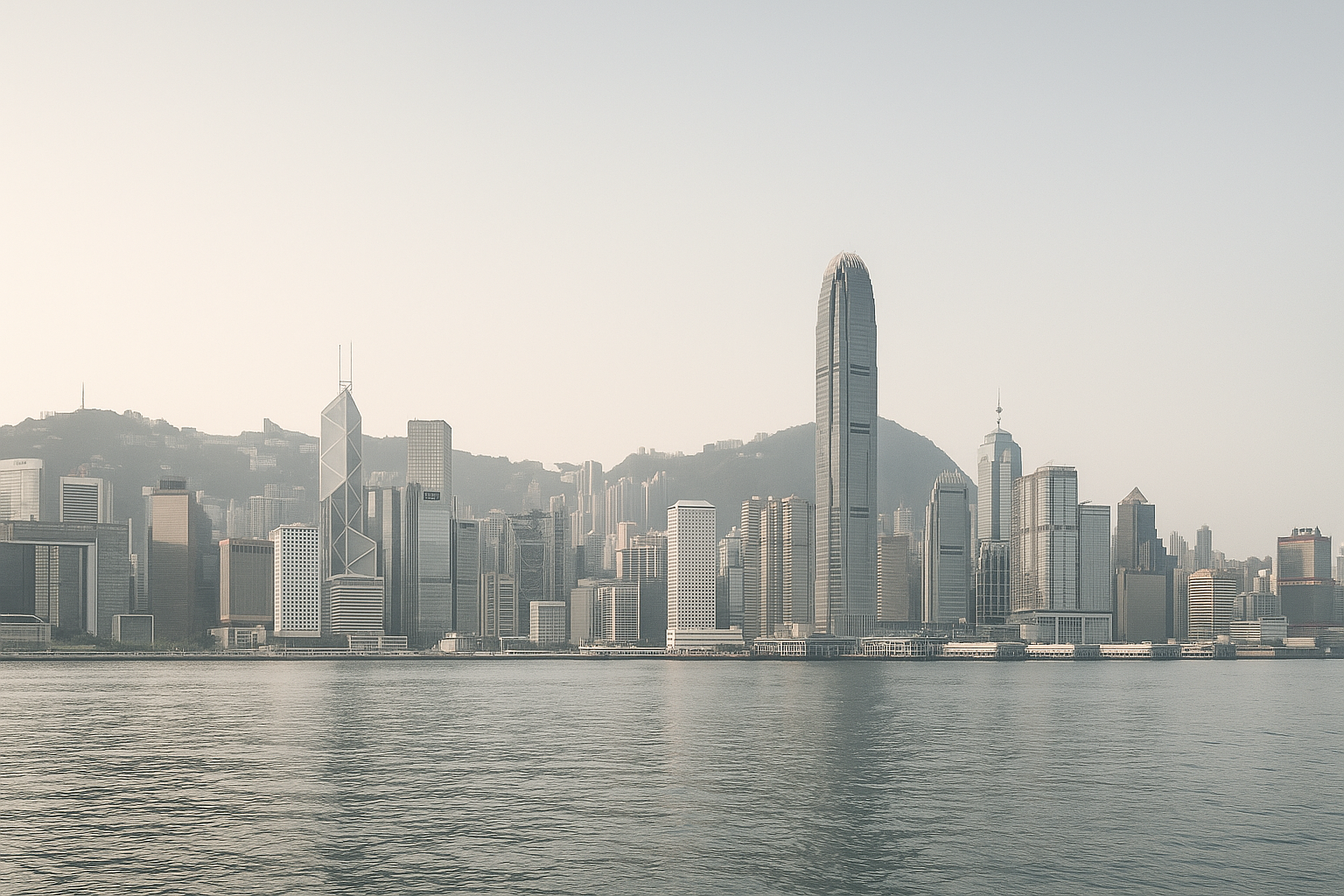
Introduction
The world is watching Hong Kong, a city where East meets West in ways both electrifying and complex. In recent years, the city has been synonymous with dramatic headlines — from mass protests to economic pivots and new policy shifts. But headlines rarely capture the full texture of life, identity, and change in this remarkable metropolis.
I find this topic fascinating because Hong Kong stands at a crossroads, not just politically but culturally and economically. What happens here reflects deeper trends in global governance, youth movements, and the new realities of our interconnected world.
What's Happening
To understand current events in Hong Kong, it helps to break down the key developments of the past few years. The city has long been a unique administrative region of China under the ‘one country, two systems’ principle — designed to preserve its autonomy, legal system, and freedoms after the 1997 handover from British to Chinese rule. However, recent moves have tested this framework.
- 2020 National Security Law: The Chinese central government passed a sweeping national security law targeting acts of secession, subversion, terrorism, and collusion with foreign powers. Critics say the law has sharply curtailed freedoms.
- Pro-democracy Movement: Starting in 2019, large-scale street protests reflected demands for more democratic representation, police accountability, and protection of civil liberties. Since the crackdown, demonstrations have largely subsided, but social tension lingers.
- Economic Shifts: As Hong Kong’s role as an international financial hub faces challenges from political tension and the global pandemic, the local government has pivoted toward integration with mainland China’s Greater Bay Area economy.
- Emigration: Many Hongkongers — especially younger professionals — are choosing to emigrate to countries like the UK, Canada, and Australia, seeking stability and freedom.
Meanwhile, daily life in Hong Kong is also shaped by identity debates, education policy changes, and a recovery process from COVID-19’s impact.
Why This Matters
Hong Kong’s trajectory has significance far beyond its borders. The city is a bellwether for the balance of individual rights, economic freedom, and government authority in an era of shifting world order. What unfolds here could influence how other semi-autonomous cities, territories, or regions navigate relations with major nation-states.
For residents, these changes affect everyday life — from education and media access to professional opportunities and basic freedoms. For business and geopolitical observers, Hong Kong’s story signals how global finance and trade adapt to new rules. And for younger generations, it shapes questions of identity, home, and future possibilities.
Different Perspectives
Beijing's Perspective
The central Chinese government frames recent moves as necessary to restore order, safeguard national security, and ensure long-term prosperity. Leaders argue that stability is the foundation for Hong Kong’s economic success and integration with the mainland will bring new opportunities.



