
Introduction
Every year, as summer begins in the Northern Hemisphere, the word “hurricane” starts to trend in news headlines, weather apps, and social conversations. Hurricane season doesn’t just bring storms—it stirs up familiar questions about preparedness, climate, and community resilience. Why does it matter so much this year? The answer is simple: each season brings new patterns, heightened risks, and lessons worth examining.
As I look at this topic, I’m struck by how hurricanes unite science, policy, and human experience in ways few events do. The anxieties one community feels might be echoed hundreds of miles away. This season—like every season—offers a chance to reflect on how weather both challenges and connects us all.
What's Happening
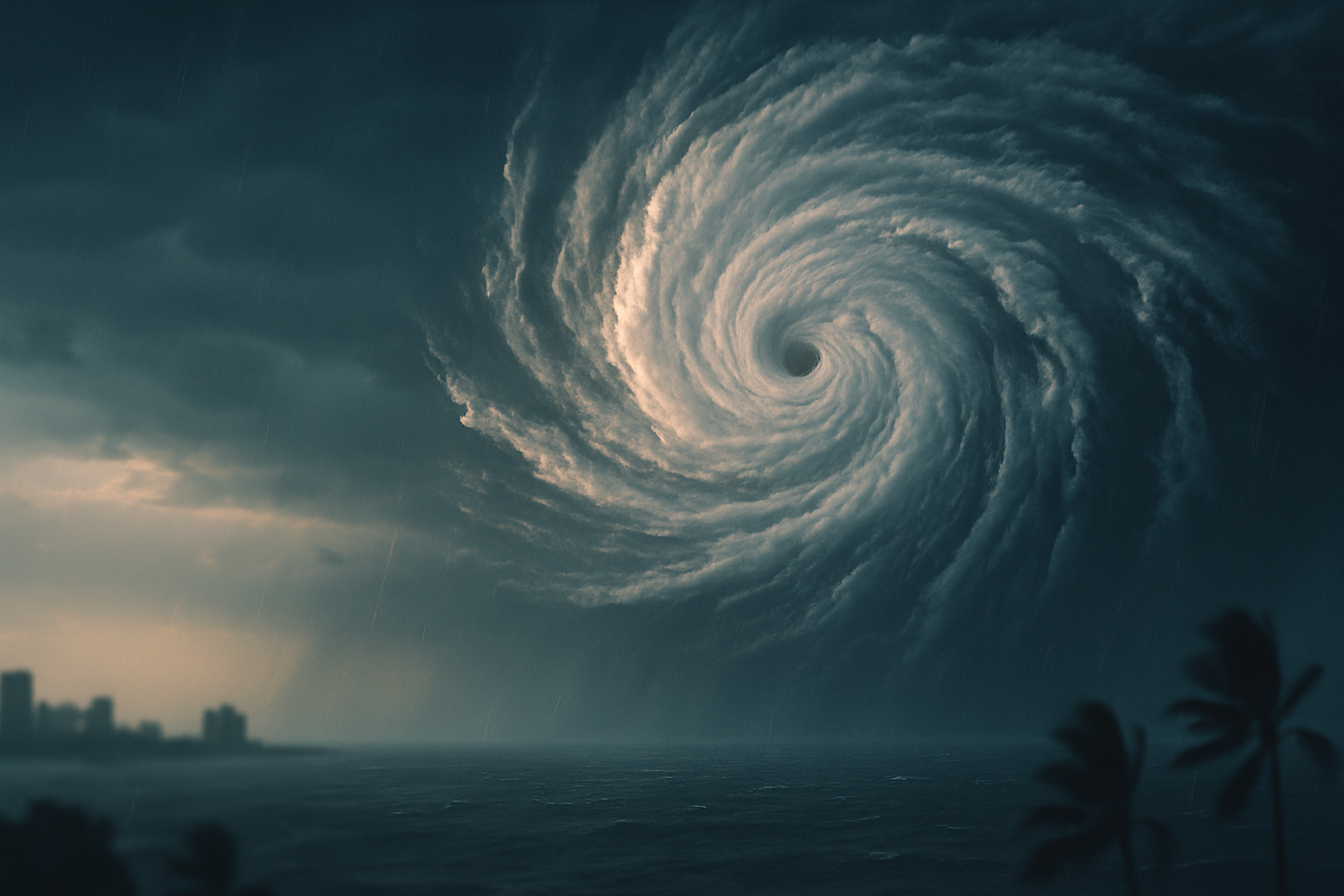
Hurricane season refers to the period when most tropical cyclones—known as hurricanes in the Atlantic and Eastern Pacific—form and threaten coastal regions. In the Atlantic, the official hurricane season runs from June 1st through November 30th. Here are the key facts about the 2024 season so far:
- Warmer ocean temperatures are creating conditions that could lead to a more active-than-average season, according to meteorologists.
- The National Oceanic and Atmospheric Administration (NOAA) predicts above-average hurricane activity, with as many as 17-25 named storms forecasted.
- Communities along the Gulf Coast, Eastern U.S., and Caribbean are on heightened alert, reviewing evacuation plans and disaster supply kits.
- Technological advances—such as improved satellite monitoring and early warning apps—are reshaping both forecasting and response.
Recent years have shown a trend toward more powerful storms and rapid intensification, making accurate predictions even more crucial. Notably, climate researchers are keeping a close watch on the influence of El Niño/La Niña systems, which can alter the frequency and track of hurricanes.
It’s not just the Atlantic that’s on guard. The Pacific, Indian, and Southern Hemispheres each have their own hurricane (or “cyclone” and “typhoon”) seasons, reflecting the truly global nature of these storms.
Why This Matters
Hurricane season isn't just a meteorological event; it's a test of infrastructure, social cohesion, and environmental policy. Millions of people live in areas vulnerable to storm surge, flooding, and wind damage. Each storm brings risks of loss—of life, property, and community routines.
Beyond immediate impact, hurricanes also tell us about larger trends in our planet’s health. Rising sea levels, warming oceans, and increasingly dense coastal populations intensify both storm hazards and the cost of recovery. Insurance markets, supply chains, and even mental health systems are all affected by how communities manage hurricane threats.
Monitoring and responding to hurricane patterns doesn’t just save lives now—it informs future policy and shapes how we adapt to a changing climate.
Different Perspectives
Climate Scientists
Many climate experts see hurricanes as a “canary in the coal mine.” They note how warming sea surface temperatures feed stronger storms, raising concerns about the long-term impacts of climate change on hurricane frequency and intensity. Some advocate for urgent emissions reductions, while others focus on better predictive models.



