
Introduction
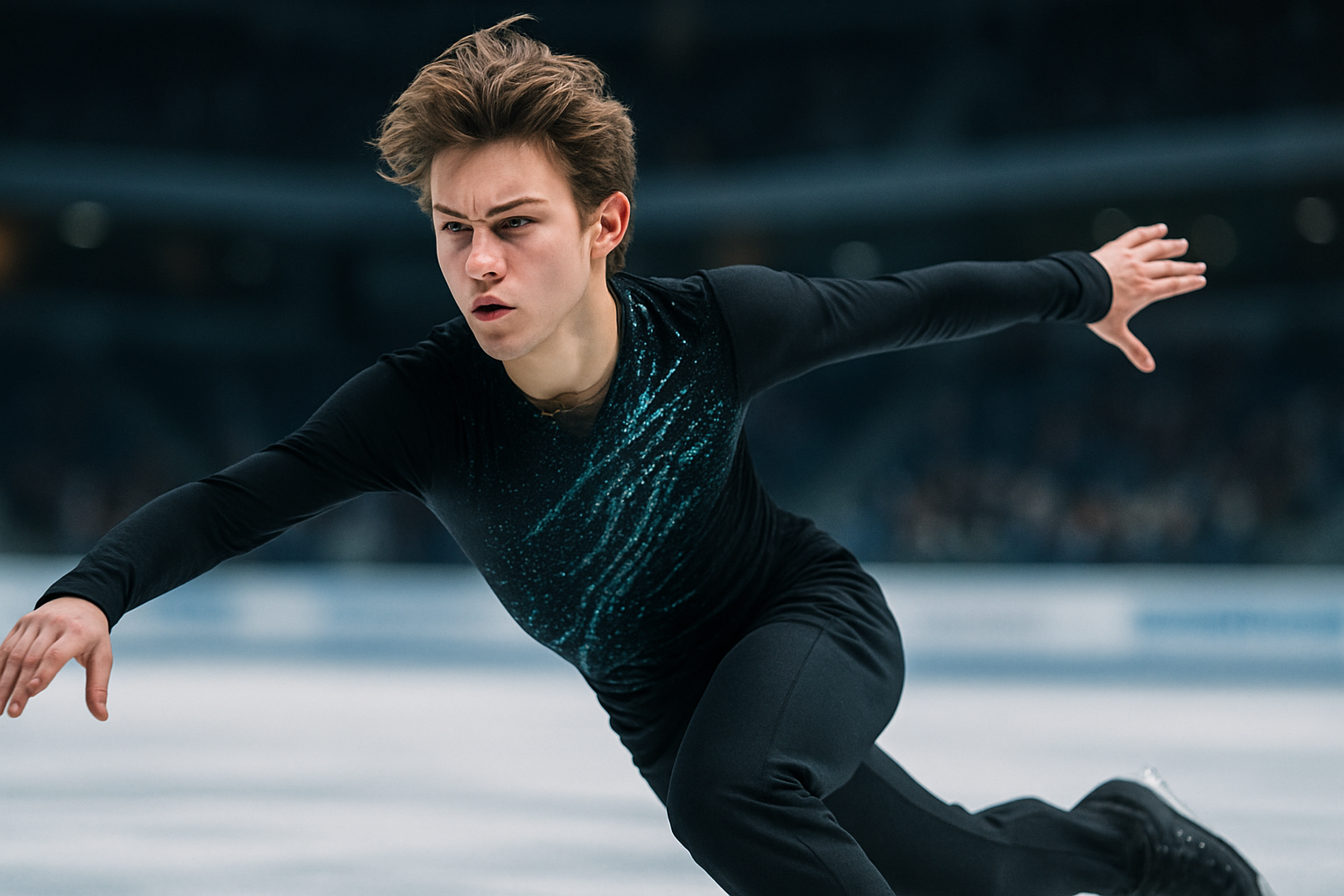
Ilia Malinin is a name resonating far beyond traditional figure skating circles. At just 19 years old, he’s not only a world champion but also a boundary-breaker, pushing the sport into a new era with his historic technical feats. Malinin’s recent performances and his anticipated role at the 2026 World Figure Skating Championships have captured global attention—the kind that hints at deep, lasting change.
I find Malinin’s story fascinating because it’s not just about one skater’s rise; it’s about the intersection of human innovation, athleticism, and the mind-bending possibilities that await figure skating as a whole. In an age where technology, media, and performance art blend more than ever, his journey provides a lens into the rapidly evolving heart of this sport.
What's Happening
In March 2024, Ilia Malinin etched his name in history by winning his first World Figure Skating Championship in Montreal. He became the first skater to land six quadruple jumps in a single free skate and remains the only person to land a quadruple axel in competition—a jump previously thought impossible.
Looking ahead, all eyes are on Malinin as the figure skating world gears up for the 2026 World Figure Skating Championships. Expectations are sky-high, with fans and experts speculating how his skillset will influence scoring, judging, and even the way routines are choreographed.
- Technical Prowess: Ilia’s successful quadruple axel set a new benchmark, challenging competitors to advance their own technical skills.
- Media Buzz: Major sports outlets and skating forums continuously spotlight his latest jumps, combinations, and creative routines.
- Rule Changes: The International Skating Union (ISU) is debating adjustments to scoring and safety protocols due to the risks and rewards associated with new jump elements.
- Global Influence: Malinin’s performances have inspired a younger generation and driven viral video trends, underscoring skating’s global reach.
In summary, Ilia Malinin is not just collecting medals—he’s shifting the sport’s foundation and stirring debate across figure skating’s ecosystem.
Why This Matters
Malinin’s technical milestones don’t just shake up rankings—they prompt bigger questions about athletic limits, artistry, and even risk in figure skating. As other skaters race to catch up, we’re seeing programs becoming more technically packed, with an increased focus on jumps over dance and expression.
For athletes, coaches, and judges, the quad revolution brings both excitement and anxiety. The potential for higher scores comes with increased physical risk, technical scrutiny, and mounting pressure—especially for younger, developing skaters.
On a broader scale, their achievements invite reflection on how to balance evolution with the sport’s core values: expressiveness, musicality, and athletic grace.
Different Perspectives
Progressive Enthusiasts
Supporters argue Malinin has injected fresh energy into a centuries-old art. They highlight his innovative spirit, the awe-inspiring athleticism, and the surge of new fans discovering the sport through viral clips of quads. To them, this is evolution in action—a new golden era.



