Introduction
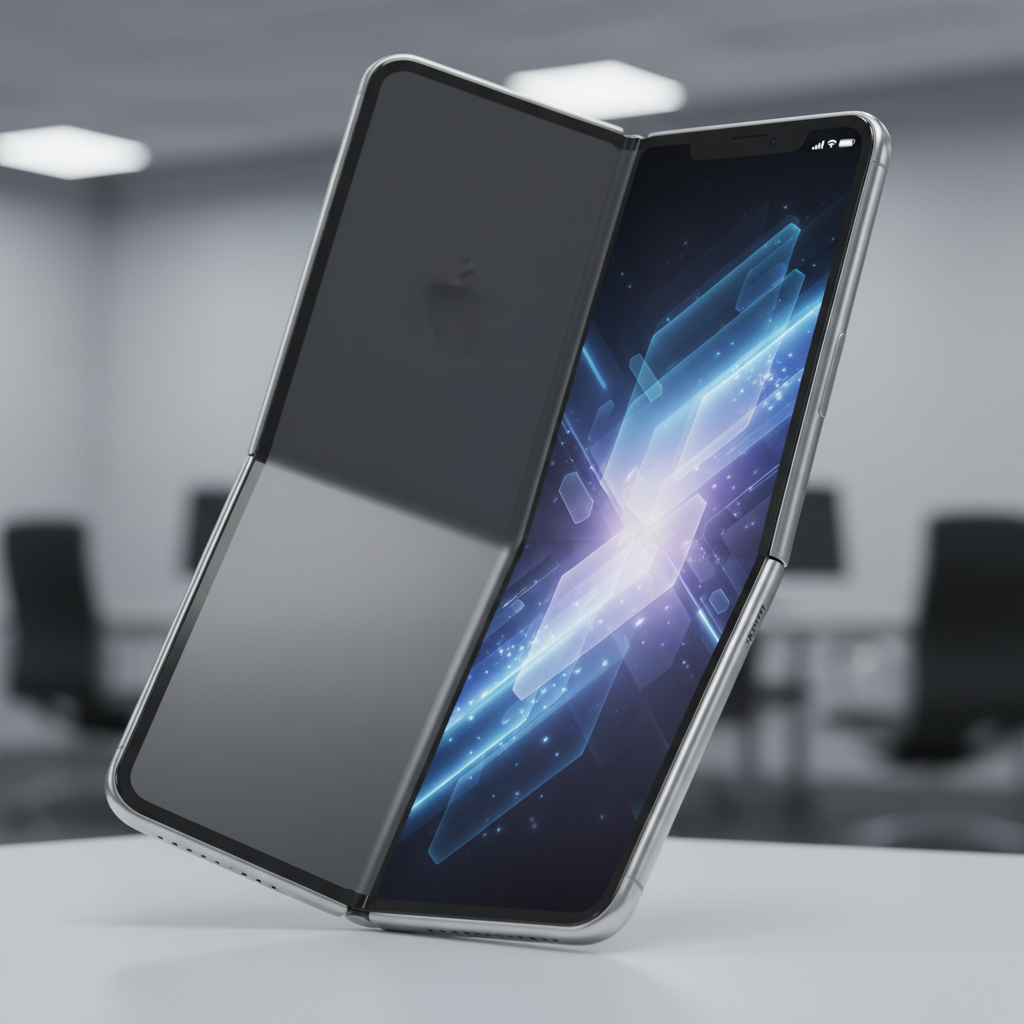
Apple seems poised to shake the smartphone world yet again, this time with rumors swirling around an iPhone Fold—a foldable device that could redefine our expectations for mobile tech. Foldables have generated excitement and skepticism in equal measure, and the possibility of Apple entering the field has captured industry and consumer attention.
With Samsung, Huawei, and others already investing heavily in foldable screens, the question on everyone’s mind is: What would an Apple-made foldable actually look like, and why now? As new leaks, patents, and speculation gain momentum in 2024, it’s the perfect moment to examine what’s unfolding, why it matters, and where Apple’s next big leap might land us.
What's Happening
Recent headlines from tech media signal serious movement from Apple into the foldable phone market. Multiple sources have reported on prototype devices, patent filings, and potential features of an iPhone Fold or iPhone Flip. Although Apple hasn’t confirmed anything officially, the technology community is buzzing. Here are some key developments:
- Apple has reportedly tested multiple foldable device prototypes, including both vertically and horizontally folding iPhones.
- Patent activity around foldable displays and hinge designs has spiked over the past year, suggesting ongoing R&D.
- Analysts believe a foldable iPhone could launch as early as late 2025, though timelines remain speculative.
- Industry supply chain reports indicate that Apple is collaborating with display manufacturers like Samsung and LG for flexible OLED panels.
- Rumored features include advanced durability, seamless transitions between folded and unfolded modes, and new app experiences optimized for larger dynamic screens.
Meanwhile, competitors like Samsung, Huawei, and Google have released—and iterated—on their own foldable devices. Their products highlight both the promise and the pain points of the format: futuristic looks, expanded multitasking, but also fragility and high cost.
For Apple, the stakes are high. Entering late, Apple runs the risk of appearing behind the curve, but it may also learn from competitors’ missteps to launch a more refined, mainstream foldable.
Why This Matters
A foldable iPhone could be more than just a novel form factor: it might signal a shift in how we interact with personal technology. Apple is known for perfectionism—only adopting new categories when it believes the user experience can reach mass appeal. If an iPhone Fold emerges, we can expect it to set a new standard for durability, usability, and ecosystem integration.
Such a move could have ripple effects across industries:
- Consumers could experience a new era of mobile productivity, creative expression, and immersive media.
- App developers may be incentivized to create unique dual-screen or flexible-screen experiences exclusive to Apple’s platform.
- Component suppliers and display manufacturers might see major new demand for advanced foldable tech.
Finally, Apple entering the foldable arena could transform the category from experimental to must-have—pushing rivals to innovate even further.