
Introduction
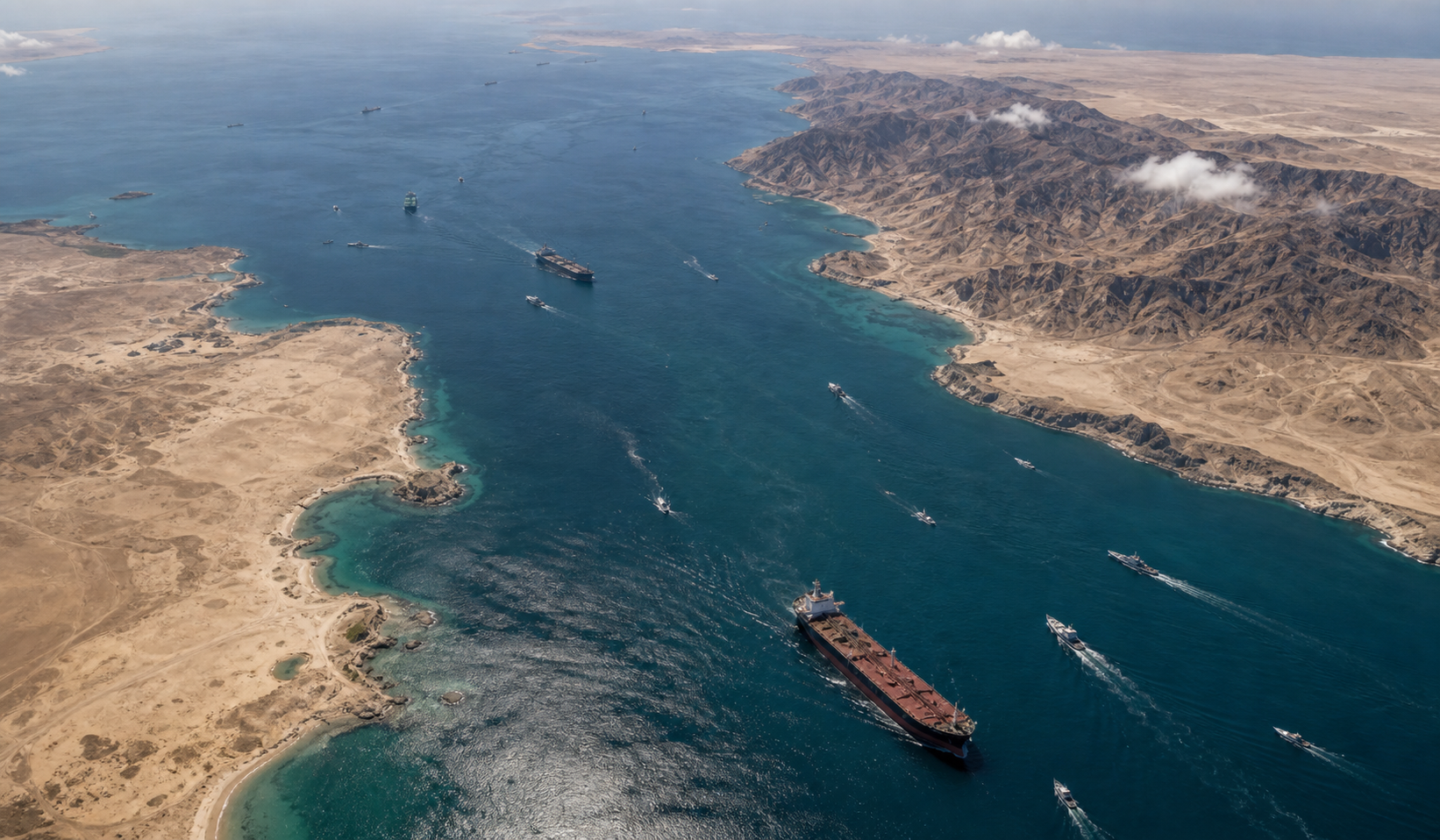
Few waterways are as strategically vital as the Strait of Hormuz, a narrow passage that has long served as a crucial artery for global oil and gas shipments. Recent headlines report that Iran is facing a rapid decline in its control over this chokepoint—sparking significant debate and speculation worldwide.
This shift raises pressing questions about global energy security, maritime safety, and the changing power balance in the Persian Gulf. With so much at stake, understanding the deeper currents driving this development is essential. I find this topic fascinating because of how quickly the tides of influence can shift—even in regions assumed to be stable.
Key Takeaways
- Iran is currently losing significant operational control over the Strait of Hormuz, a vital global shipping route.
- This shift undermines Iran’s traditional strategic leverage over oil and gas supplies leaving the Persian Gulf.
- New regional security arrangements and increased foreign naval presence are contributing to this change.
- The implications for global trade, energy markets, and regional stability are profound and far-reaching.
- Multiple countries and blocs stand to gain or lose from the new balance of power at the strait.
What's Happening
The Straight of Hormuz is a 21-mile-wide waterway through which roughly one-fifth of the world's petroleum and a substantial fraction of its liquefied natural gas pass daily. Iran has long claimed it could shut the strait or control traffic in times of crisis, using this as a strategic bargaining chip.
However, a confluence of events has eroded Iran’s grip. Notably, increased maritime patrols by the United States, European Union, and regional navies have reduced the threat of Iran’s unilateral action. Add to that new security agreements among Gulf States—including the UAE and Saudi Arabia—and coordinated anti-piracy and anti-harassment operations, and the picture is changing fast.
- US and allied military exercises have showcased deterrence against any attempts at strait closure.
- Technological surveillance and intelligence-sharing have made it harder for Iran to stage covert maritime operations.
- Economic pressures and domestic unrest have also weakened Iran’s capacity to project sustained maritime power.
Recent incidents—such as failed attempts to seize commercial tankers, counter-interdiction by Western and Gulf forces, and diplomatic isolation—underscore Iran’s new limitations. The net result is that the strait is less hostage to Tehran’s will than at any time in decades.
Why This Matters
This development has significant ramifications for global energy security. The safety and openness of the Strait of Hormuz directly impacts the price and stability of oil and gas markets worldwide. Any reduction in threat or perceived instability can ripple through global economies in real time.
For regional actors, the balance of power is in flux. Neighboring Gulf States, vulnerable to Iran’s historical dominance yet anxious about future Iranian actions, may feel emboldened or anxious, depending on their strategic aims. Meanwhile, external powers like the US and China remain invested in keeping the route safe for their own shipping interests.
The world is watching whether these new security dynamics encourage further diplomatic engagement or trigger an escalation between rival blocs, as any miscalculation could still spark conflict in these congested waters.
Different Perspectives
Western and Allied View
Many US, European, and Gulf commentators see Iran’s waning control as a win for international norms, maritime law, and energy stability. They view increased patrols and alliances as necessary and effective countermeasures to Iranian threats.
Iranian Government Standpoint
Iran’s leadership frames foreign intervention as illegitimate, claiming its actions protect national security and challenge unwarranted Western interference. Officials downplay their loss of control, highlighting internal self-reliance and deterrent capabilities.
Gulf Arab States’ Perspective
States like the UAE, Saudi Arabia, and Oman see diminished Iranian power as both an opportunity for greater regional autonomy and a potential source of new risks if power vacuums ignite unpredictable maritime confrontations.



