
Introduction
The internet moves fast. One moment, a catchy video pops up, and the next, you're seeing it everywhere—memed, discussed, and even parodied. The "Island Boys" phenomenon captures just how quickly fame can sprout from the unlikeliest places. Their sudden rise to stardom is both a product of 2020s digital culture and a lens into the fascinating world of viral celebrity.
Whether you first saw them on TikTok, caught a glimpse of their outlandish music video, or heard them referenced on talk shows, the Island Boys have made a strong cultural impression. But what does their internet presence actually mean? Why are people so captivated (or baffled) by them right now? As the social media landscape evolves, understanding the Island Boys gives a window into wider conversations about fame, identity, and the attention economy.
What's Happening
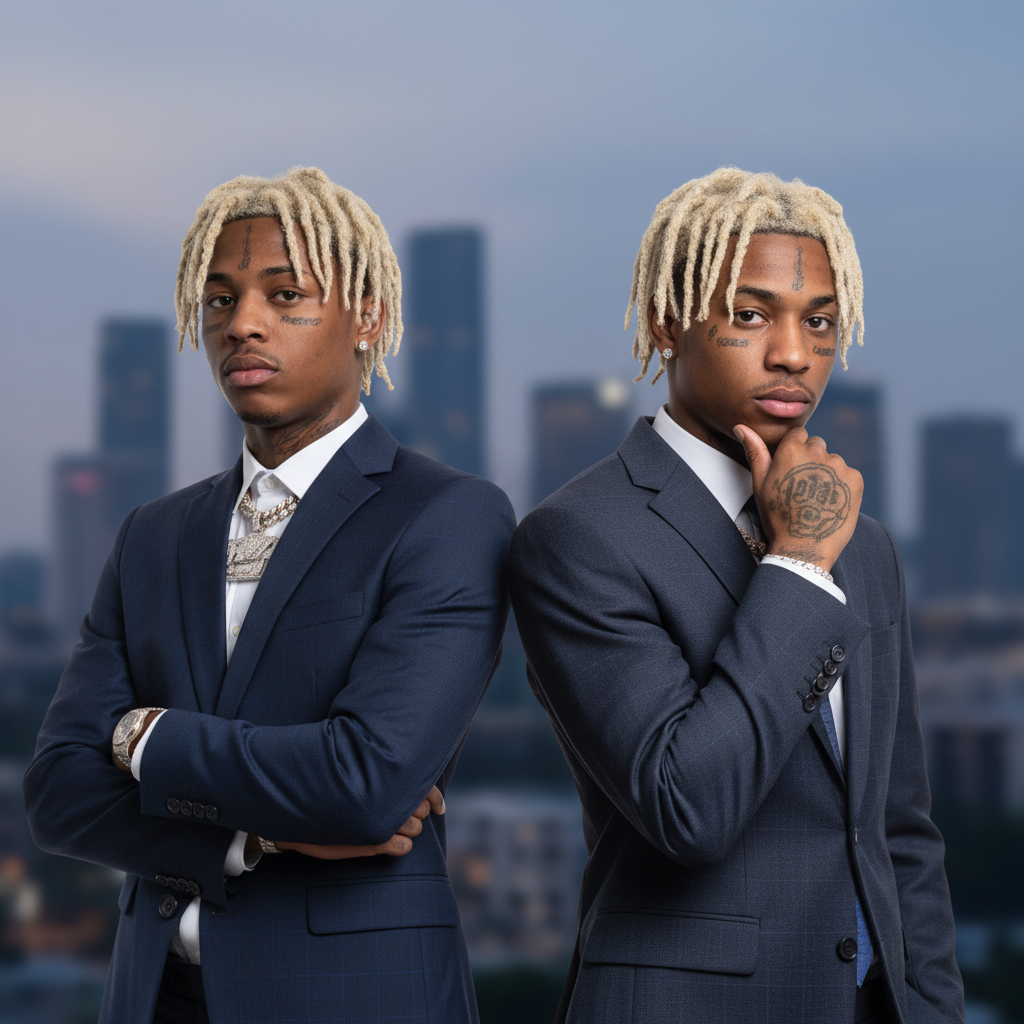
So, who are the Island Boys? They're twin brothers, Franky and Alex Venegas (known as Kodiyakredd and Flyysoulja), from South Florida. The duo shot to internet stardom in late 2021 after posting a freestyle rap video—"I’m an island boy!"—featuring hypnotic, repetitive lyrics, eccentric hair, and face tattoos. Their unique look and unconventional style made their clip go viral on TikTok and other platforms.
- The original video was widely shared for its novelty and meme-worthy qualities.
- Celebrity reactions and parodies have amplified their online presence.
- The duo pivoted to leverage Cameo shoutouts, music releases, and appearances after their viral moment.
- Even as their content drew ridicule, some found it entertaining and catchy, fueling further debate and engagement.
- Their sudden fame has led to interviews, podcast appearances, and ongoing controversies—adding both notoriety and complexity to their trajectory.
What started as a spontaneous TikTok freestyle quickly became a case study in how internet fame is generated, sustained, and sometimes weaponized.
Why This Matters
The Island Boys' story is a microcosm of modern digital culture. In minutes, ordinary individuals can rocket to global recognition—not because of polished artistry, but due to viral curiosity, memetic spread, and the unpredictable tastes of online audiences. This phenomenon raises important questions:
For performers, the boundary between talent and spectacle is increasingly blurred. Schools, brands, and even families grapple with what to take seriously and what to view as internet noise. More broadly, their rise highlights how platforms reward attention regardless of its source—blurring the lines between positive influence and notoriety.
Different Perspectives
Supporters: Embracing the Fun
Some viewers embrace the Island Boys as genuine entertainers—finding their music "catchy," their confidence admirable, and their viral fame a testament to the weird creativity of the internet. For these supporters, the twins are examples of people seizing their 15 minutes and making the most of it.



