
Introduction
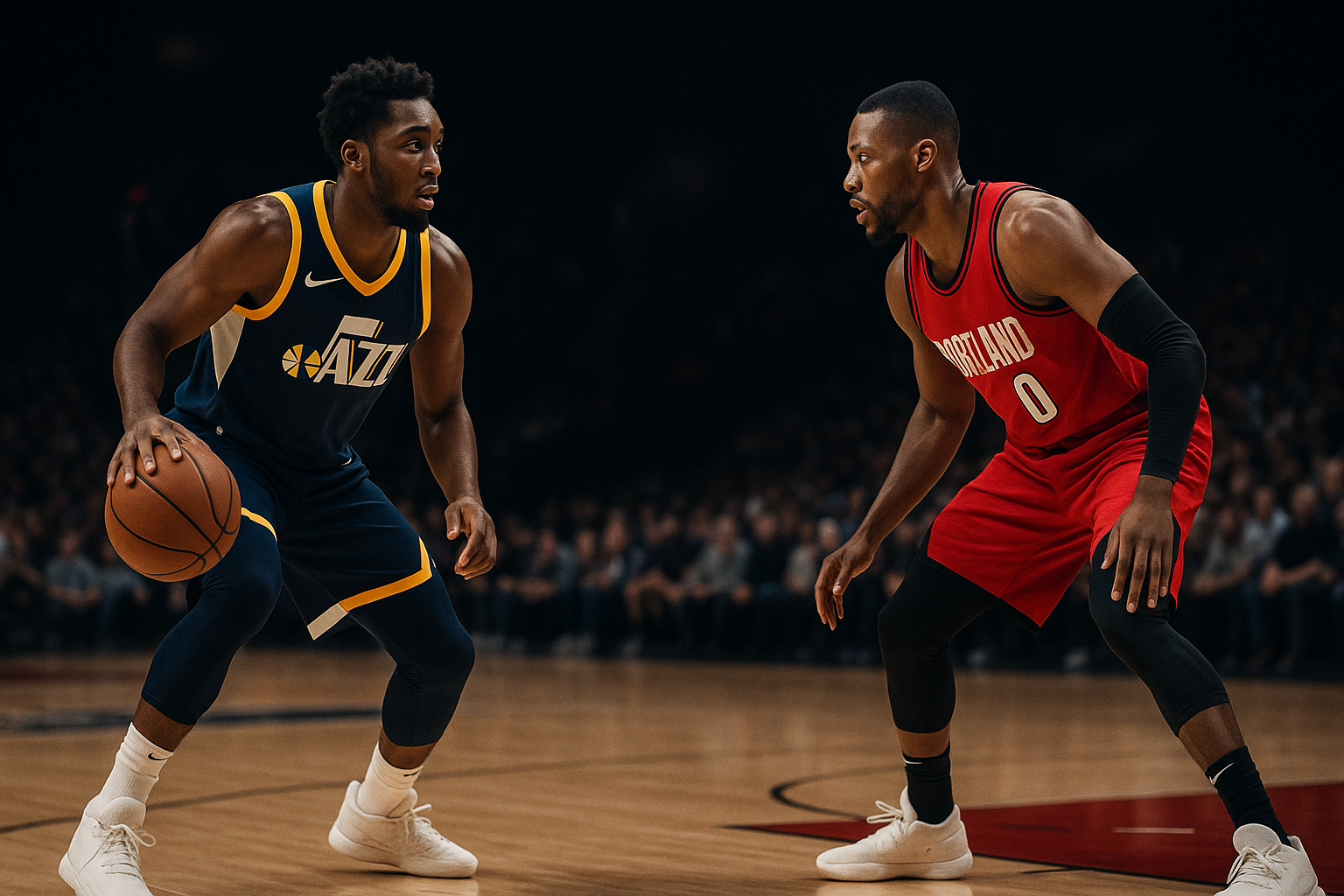
The matchup between the Utah Jazz and Portland Trail Blazers has captured attention—not just for what happens on the court, but for what it reveals about two NBA franchises in flux. With both teams rebuilding and reimagining their futures, their recent games highlight more than just win-loss columns—they offer a window into the evolving power dynamics of the Western Conference.
Why do these seemingly mid-tier teams matter right now? The Jazz vs. Trail Blazers matchups have become a microcosm of the NBA’s transitional era. As established stars move on and new talent rises, this contest signals bigger questions about team identity, youth development, and trajectory. I find this dynamic fascinating because it mirrors larger themes across sports and even society: adaptation, resilience, and the search for a winning formula.
What's Happening
Both the Utah Jazz and Portland Trail Blazers are navigating seasons marked by transition. Here’s the current landscape:
- Utah Jazz are rebuilding after moving on from Donovan Mitchell and Rudy Gobert, with Lauri Markkanen emerging as a new core piece.
- Portland Trail Blazers are reshaping after trading franchise star Damian Lillard, focusing on development around Scoot Henderson, Anfernee Simons, and Shaedon Sharpe.
- Their recent head-to-head games have been close, competitive, and occasionally unpredictable—showcasing young players in key roles and coaches experimenting with rotations.
- Neither team is currently projected to make a deep playoff run, but each serves as a testbed for the future identities of their franchises.
Recent headlines highlight these shifting narratives: reports focus on player growth (like Markkanen’s all-star level improvement or Henderson’s flashes of brilliance), locker room culture change, and front-office moves that indicate long-term strategy over short-term victory. In their most recent meetings, the Jazz and Blazers have split wins, each side taking lessons from close finishes and comeback attempts.
Why This Matters
The significance of Jazz vs. Trail Blazers goes beyond the scoreboard. For fans in Utah and Portland, these games ignite hope and curiosity—what’s next for our team? For the league at large, these matchups serve as bellwethers for the success of rebuilding models and the ever-present lottery race.
What strikes me about this rivalry right now is its relatability: both sets of fans are experiencing the tension between patience and impatience, watching prospects develop while hungering for success. Coaches, GMs, and young players are earning their reputations in every close contest. Nationally, the Jazz and Blazers represent crucial experiments in drafting, talent development, and team culture—their progress (or lack thereof) could influence how other franchises rebuild.
Different Perspectives
Jazz Fans: Growth Mindset
Many Jazz fans are optimistic about the future, excited by Markkanen’s rise and the front office’s willingness to prioritize young players and future draft picks. They view current struggles as necessary growing pains and appreciate the team’s new identity.



