
Introduction
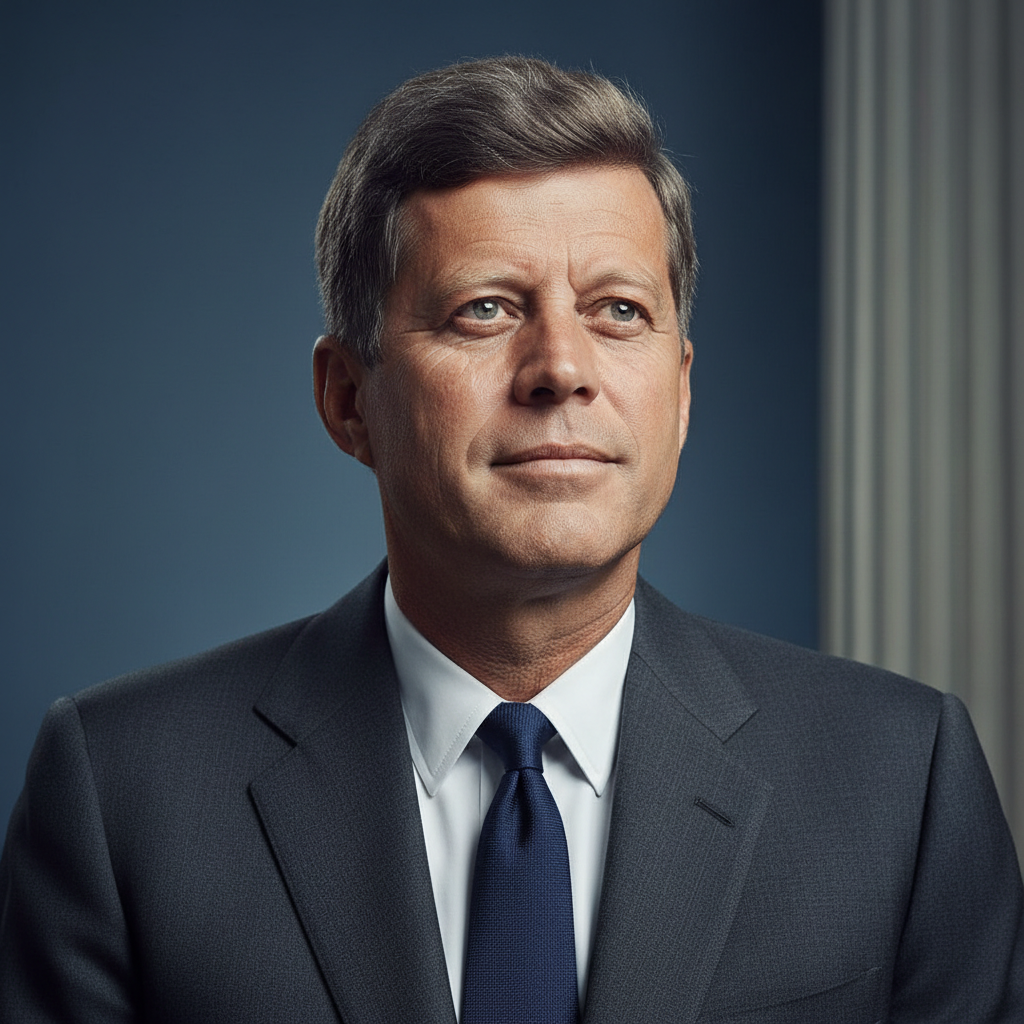
Few names in American history evoke as much symbolic weight as John F. Kennedy. Decades after his presidency, JFK’s legacy continues to inspire, divide, and shape global conversations about leadership, courage, and America’s role in the world. Recent headlines, including reflections by his grandson Jack Schlossberg, highlight a renewed interest in what JFK might say about America’s current challenges and divisions.
I find this fascinating because every generation seems to reinterpret JFK’s ideals in the light of its own hopes and fears. As political discourse heats up and questions of national identity dominate the news, JFK’s legacy becomes more than history—it becomes part of today’s debate. From awards honoring political bravery to pointed commentary on current leadership, the former president’s memory remains highly relevant.
What's Happening
This year’s JFK ‘Profile in Courage’ Awards—created by the Kennedy family to honor political leaders who act with integrity—have brought new attention to John F. Kennedy’s values. Jack Schlossberg, JFK’s grandson, recently commented on the awards and offered pointed critiques of modern American politics in several media appearances.
- Jack Schlossberg stated his grandfather would be "alarmed" by how far America has fallen on the world stage, suggesting current politics contrast sharply with JFK’s vision.
- In televised interviews, Schlossberg asserted, "the difference is clear" between JFK, RFK, and current political figures like former President Donald Trump, indicating a perceived decline in political courage and global leadership.
- The Profile in Courage Award remains a touchstone for evaluating political behavior, with recipients recognized for taking unpopular stands in the public interest.
These remarks coincide with a period when Americans are increasingly skeptical of government and the U.S. faces growing challenges abroad. The themes of courage, integrity, and international standing that defined JFK’s time are once again in the spotlight.
Why This Matters
John F. Kennedy’s presidency is still held up as a benchmark for American leadership—his calls for civic engagement and moral courage echo during times of crisis. When descendants and historians invoke his legacy, it naturally reignites debate about whether present leaders measure up, and what qualities truly define national greatness.
The ongoing invocation of JFK’s values influences political expectations and public standards. Citizens, activists, and policymakers look to the ‘Profile in Courage’ model to assess when leaders go beyond partisan interests for the common good. This continuous reference point helps people frame current events in historical perspective—sometimes as inspiration, sometimes as warning.
Different Perspectives
The Camelot Optimists
Some view JFK’s era as a golden age of American leadership where courage and global engagement defined the presidency. For them, invoking JFK is a call to restore lost ideals and demand higher integrity from current office-holders.



