Introduction
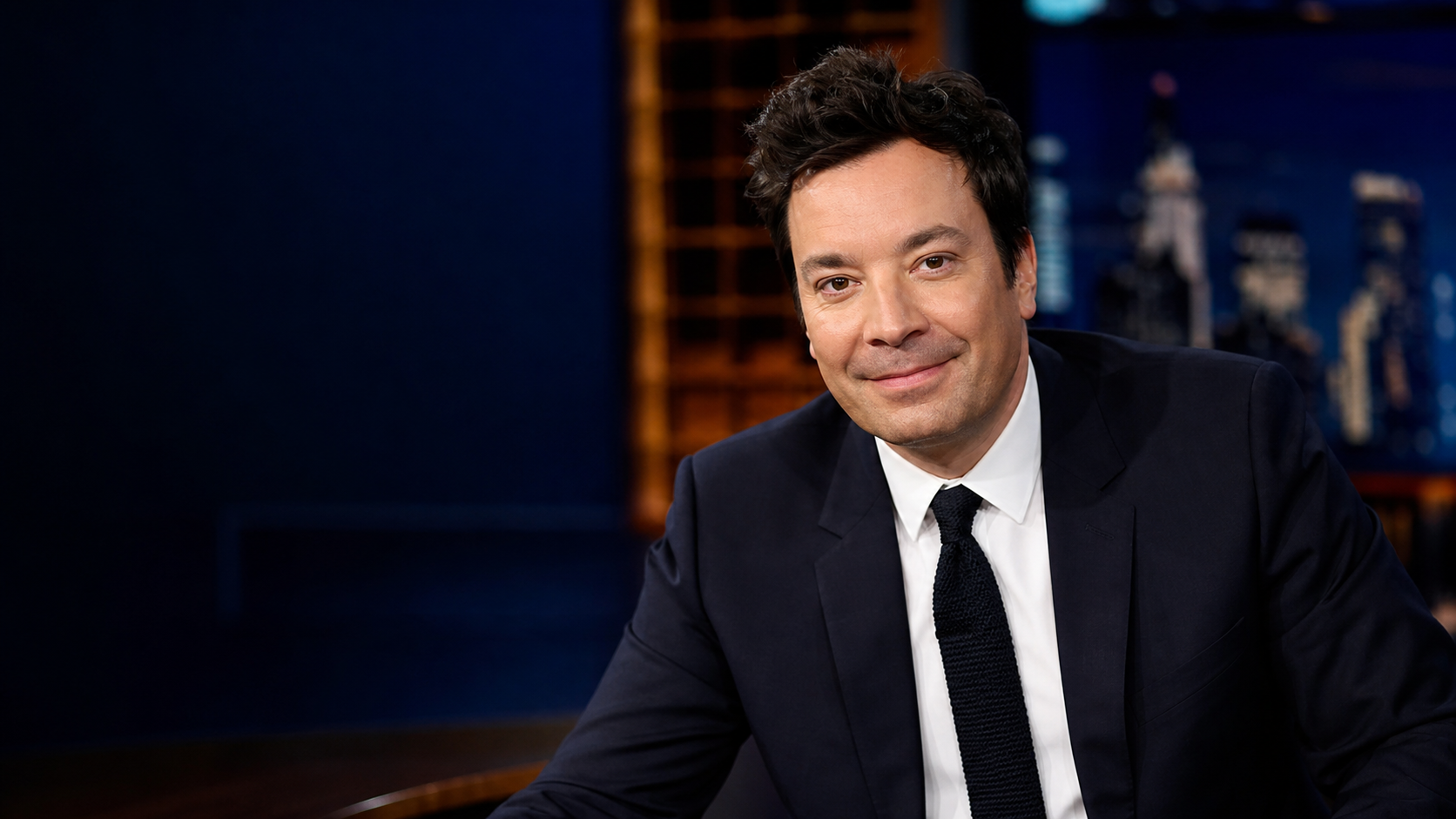
Jimmy Fallon, a staple of American late-night television, recently took center stage in national discourse—not just for his trademark wit, but for sharp jokes aimed at Donald Trump's confidence in handling artificial intelligence. In a world increasingly shaped by AI, Fallon's commentary struck a nerve, sparking conversations far beyond comedy circles.
I find this fascinating because the topic blends pop culture, politics, and technology into one moment, exposing both public anxiety and the power of humor to shape perceptions. What does it mean when issues as complex as AI governance are distilled—mockingly or not—on a major entertainment platform?
Key Takeaways
- Jimmy Fallon used his late-night platform to mock Donald Trump’s claim that he is “smart” enough to keep AI under control.
- The comedic critique taps into broader concerns about how political leaders might approach artificial intelligence regulation.
- Public reactions highlight growing mistrust in both political figures and the ability to manage powerful technologies.
- The intersection of comedy, politics, and technology is shaping public understanding of high-stakes issues like AI governance.
- Fallon’s segment reflects and amplifies anxieties about the future societal impact of artificial intelligence.
What's Happening
On a recent broadcast, Jimmy Fallon engaged his audience with a segment poking fun at Donald Trump’s assertion that he has the intelligence needed to regulate and control artificial intelligence. Fallon’s punchline—"Well, I feel better"—underscored skepticism and drew a big laugh, but also spotlighted a genuine public fear: who, if anyone, is ready to handle the implications of advanced AI?
Fallon’s comments are part of a growing trend among late-night hosts to use humor as a vehicle for tech criticism. He isn’t alone—other comedians have similarly highlighted the tensions between political bravado and the actual expertise required to navigate new technologies.
- Jimmy Fallon mocked Trump’s AI stance, framing it as laughable and potentially dangerous in the wrong hands.
- The bit quickly made headlines and circulated widely on social media, signaling resonance with wider public anxiety.
- This comes at a time of increasing political debate about how (and by whom) artificial intelligence should be regulated in the US and globally.
It’s telling that what might once have been an insider policy question is now fodder for mainstream entertainment. The message: if the average viewer is laughing, they’re also thinking and—perhaps—worrying.
Why This Matters
The collision of comedy, technology, and politics reveals something profound about our moment. We are living with tools more powerful than most people understand, and the question of who controls them is no longer academic or confined to tech experts.
When major entertainers like Fallon tackle these topics, they influence how millions perceive both the stakes and the players. That influence matters; trust in technology—and the people steering it—shapes how societies adopt, adapt to, or push back against innovation. The anxiety palpable in Fallon's punchline reflects genuine uncertainty about not just Trump, but anyone who claims mastery of AI without clear expertise.
Different Perspectives
Comedic/Cultural Critique
Many see Fallon’s joke as a sharp and necessary takedown of political overconfidence. Comedy, in this view, acts as a social safety valve, allowing uncomfortable truths to surface and sparking debate about real risks in a palatable way.
Supporters of Trump
Some supporters dismiss the ridicule, arguing that experience, not technical expertise, is what matters in leadership, and that critics should focus on real policy details instead of late-night soundbites.
Technology Experts
AI professionals often express concern about both extremes: they recognize that mocking oversimplifies complex issues, but also worry that unchecked bravado from leaders could lead to reckless regulatory decisions affecting everyone.
Broader Public
For average viewers, the exchange is both entertaining and disconcerting, making visible the gap between what technology can do and what politicians understand about it. Many people find relief in humor but are left wondering who, if anyone, is up to the task of reliable AI oversight.