
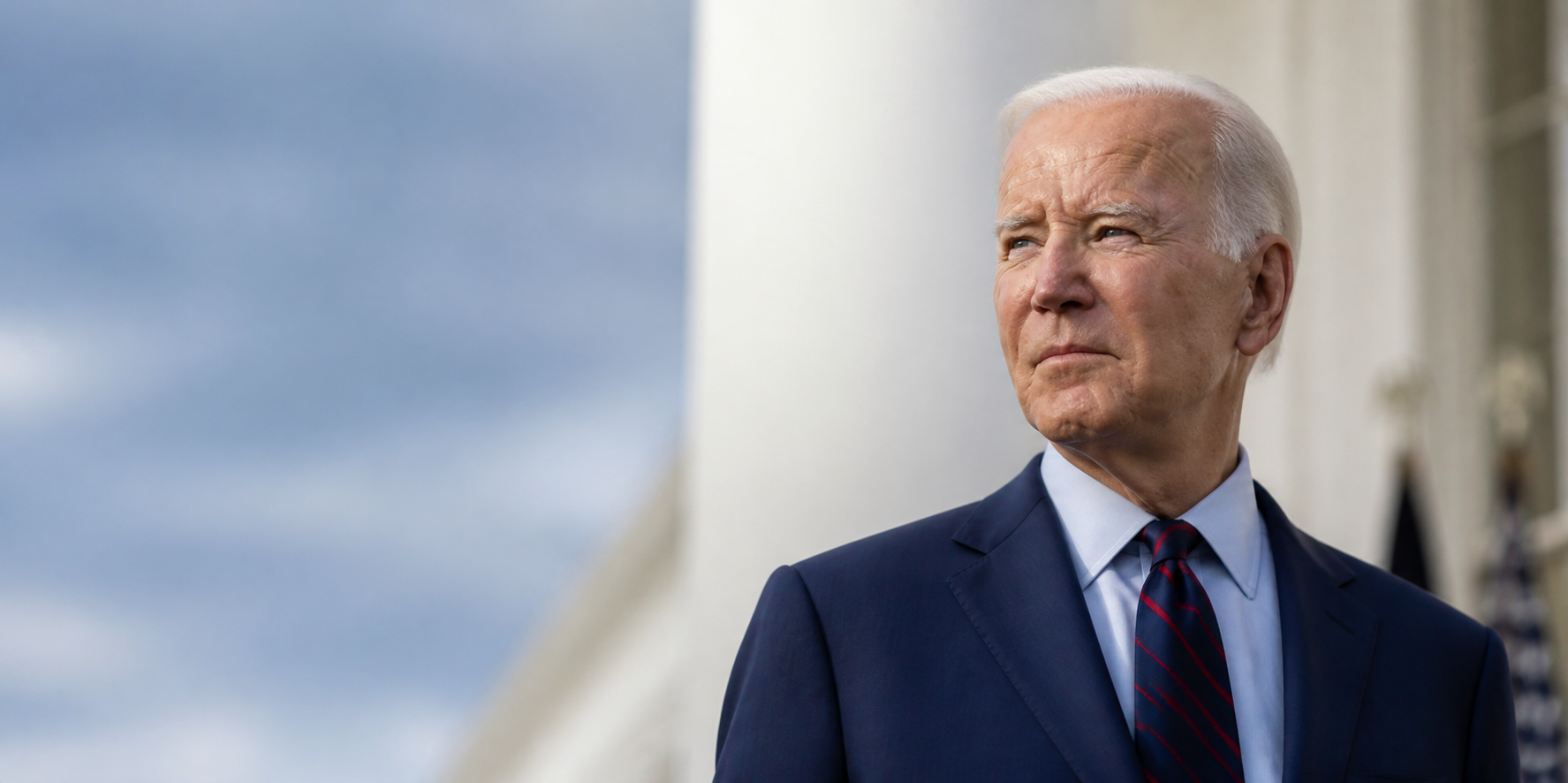
Introduction
Joe Biden remains front and center in the American political landscape, particularly as the 2024 presidential election looms. For months, conversations around his age, leadership, and major policy decisions have dominated headlines. This year feels especially pivotal—there’s a widespread sense that the choices and changes Biden makes now could impact not only the United States, but also ripple across the globe.
I find this fascinating because national politics rarely hinge so transparently on the actions, reputation, and health of a single individual. While Biden's legacy is still being written, every new event—be it legislative moves, diplomatic efforts, or public appearances—is scrutinized in near real time. The significance of such scrutiny is hard to overstate in our hyperconnected era.
What's Happening
As of mid-2024, Joe Biden is not only completing his first term as President of the United States, but also campaigning for re-election. Multiple threads are unfolding simultaneously:
- Election Season: Biden is officially the Democratic nominee for President in 2024. His campaign leans on themes of stability, continuation of his policies, and positioning himself as a defender of democracy.
- Concerns over Age and Health: At 81, Biden is the oldest sitting U.S. president. His health and cognitive abilities have become topics of intense public debate, amplified by political opponents and media coverage.
- Policy Achievements and Challenges: Biden's administration points to successes like job creation, infrastructure investment, and legislative wins such as the Inflation Reduction Act. However, he faces criticism over issues including border security, inflation, and foreign policy—especially with regards to Ukraine and the Middle East.
- Shifting Public Opinion: Approval ratings for Biden have fluctuated, with recent polls offering mixed signals. Some show modest approval for his economic management, while others indicate waning enthusiasm, even among Democratic voters.
The stakes feel higher than ever, as Biden’s leadership is contrasted with intense polarization, both within parties and among the electorate at large.
Why This Matters
Presidential actions carry serious consequences, touching millions of lives domestically and influencing geopolitics worldwide. Biden’s decisions on climate, the economy, health care, and foreign policy shape America’s direction and, by extension, global markets, security, and alliances.
What strikes me about this moment is how American voters are tasked not only with choosing a policy direction, but also openly wrestling with questions about leadership viability, generational handover, and the role of experience versus innovation in governance.
The implications reach far beyond Biden as an individual—they encompass broader debates about democracy, credibility, and the evolving expectations for leaders in an era of rapid change and instant scrutiny.
Different Perspectives
Supporters' View
Many supporters see Biden as a steady, experienced hand who has guided the country out of the pandemic and restored alliances abroad. They credit his administration with strong job numbers, landmark climate initiatives, and efforts to protect social safety nets.



