Introduction
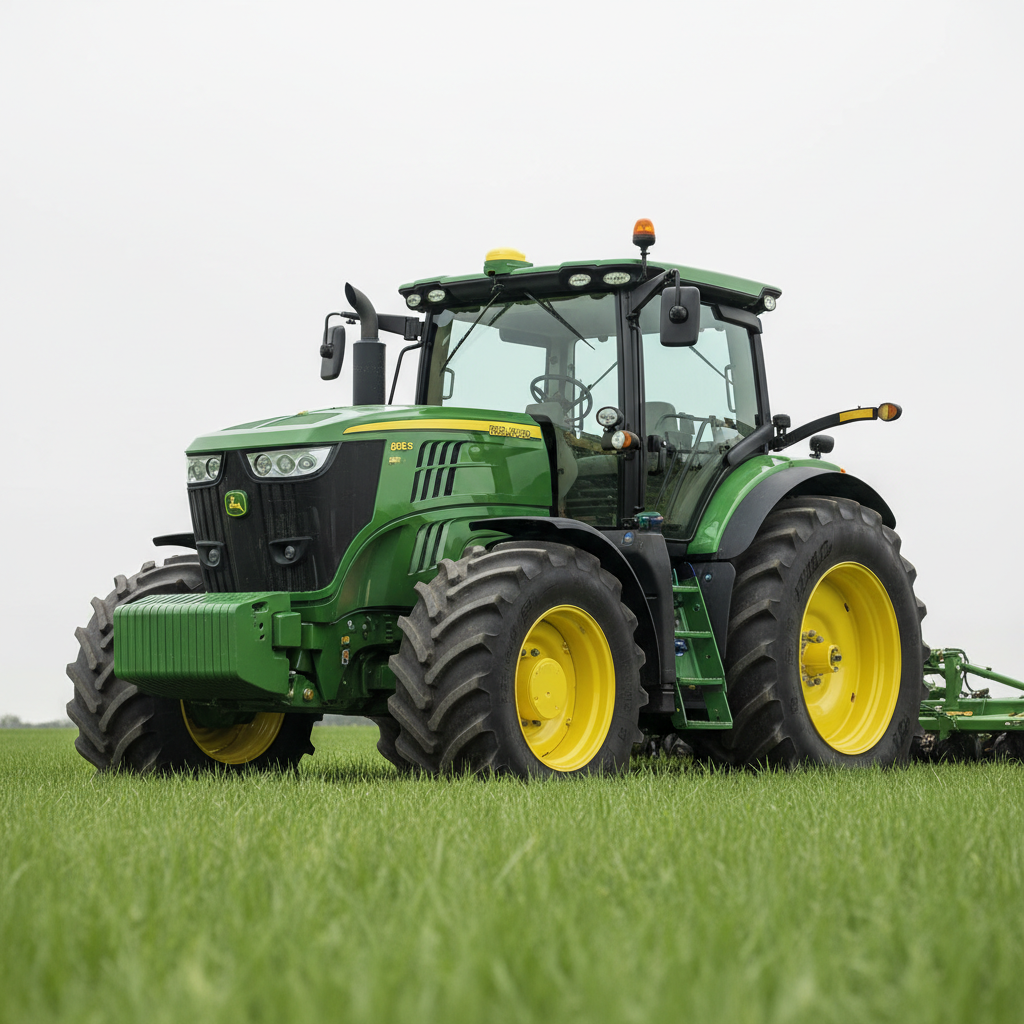
Few brands are as deeply woven into the fabric of modern agriculture as John Deere. For nearly two centuries, the company's distinctive green and yellow machines have represented the promise of progress and prosperity for farmers worldwide. But in 2024, John Deere sits at a crossroads, facing both praise for its technological leaps and criticism over its business practices.
This moment matters because the future of food production, rural economies, and even technology access hinges on how industry leaders like John Deere respond to a rapidly changing world. As I analyze the recent debates and emerging trends, I find the intersection of innovation and controversy illuminating.
What's Happening
John Deere has remained in the headlines throughout 2024 for several reasons:
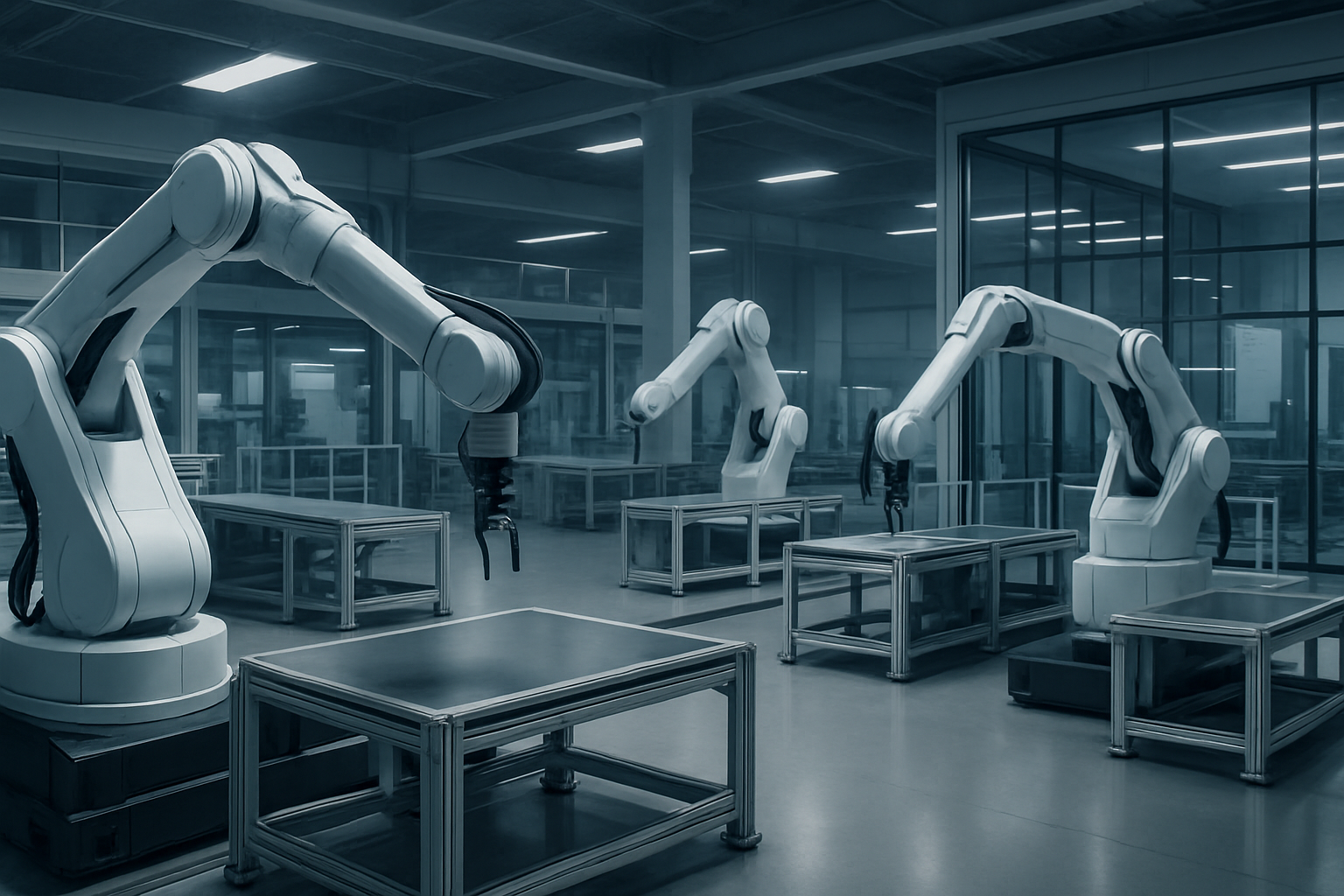
- Advanced Technology Adoption: Deere has rolled out AI-powered tractors, autonomous combines, and precision agriculture tools that promise to make farming more efficient than ever before.
- Right to Repair Movement: The company faces criticism and activism over its restrictions on farmers’ ability to repair and modify their own equipment.
- Financial Performance: Deere’s profits continue to climb, fueled by strong demand and premium pricing for its high-tech machinery.
- Sustainability Initiatives: The company has launched new efforts around low-carbon equipment and smart farming to address climate change concerns.
At the heart of the current debate is the tension between innovation and ownership. John Deere’s connected equipment is undeniably transformative, but who truly controls those tools—farmers or corporations—is up for dispute.
In January 2024, Deere announced expanded remote diagnostics, allowing company technicians to access machines via the cloud. This feature, while helpful, has also intensified scrutiny from farmers who worry about privacy, costs, and loss of autonomy.
Why This Matters
John Deere’s actions ripple far beyond the company itself. Millions of farmers—especially in the US, Canada, and emerging markets—depend on its machines to plant, harvest, and manage crops effectively. Small-town economies are shaped by their local Deere dealerships, and global food security can be influenced by the company’s choices about what technology is available and at what price.
There are also broader policy and ethical implications. The ongoing fight over Right to Repair is seen by some as a battle for digital rights in the 21st century, asking whether ownership extends to the software and analytics critical to operating modern farm equipment.
At a societal level, John Deere’s push towards automation and AI is a preview of the dilemmas all industries will face: productivity versus access, efficiency versus empowerment. I see this as a microcosm of the much wider debate on technology and humanity.