
Introduction
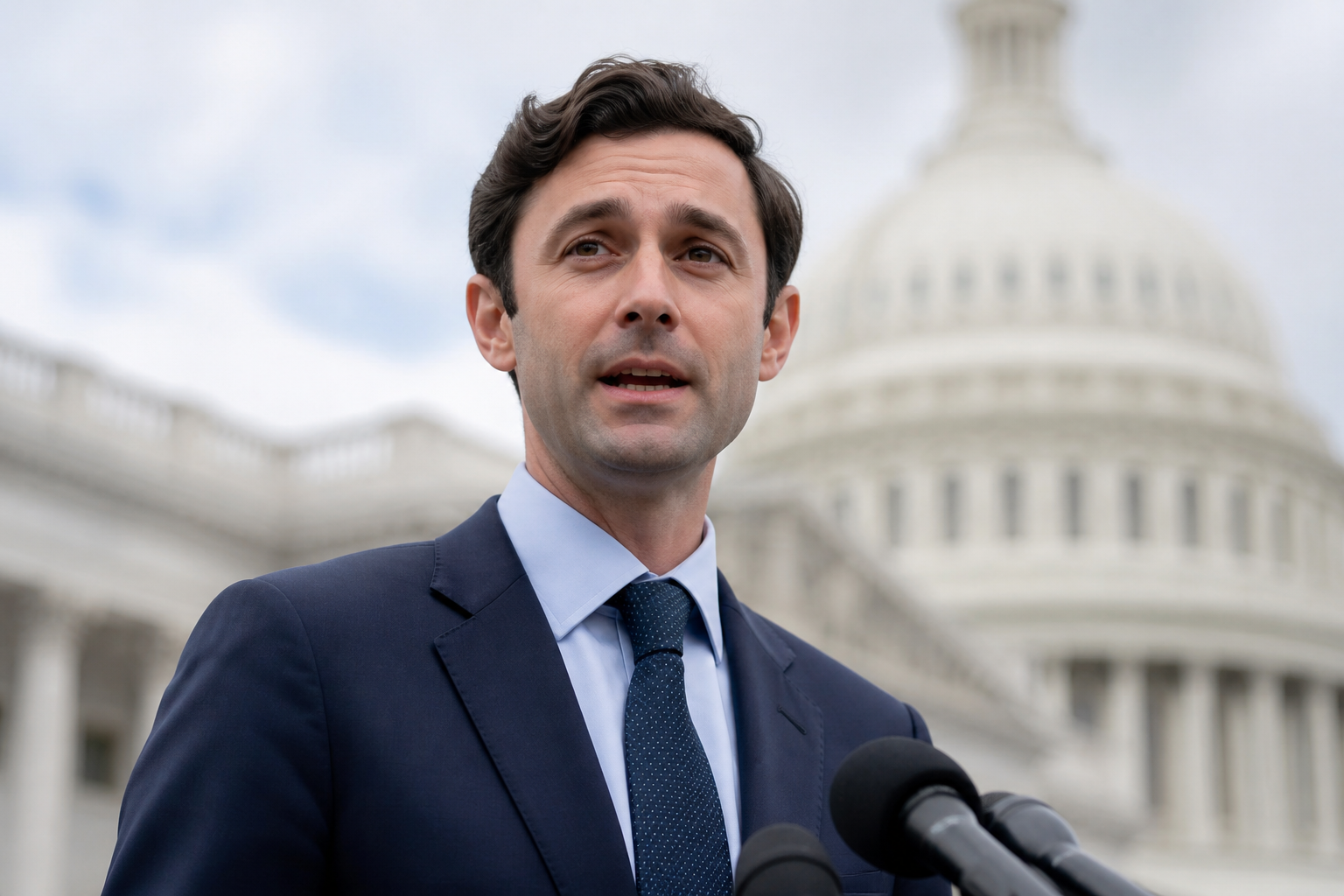
Jon Ossoff is a name I’ve seen rapidly trending across political news cycles, particularly since his high-profile election to the U.S. Senate. With the White House and other key government players frequently intersecting with his work, his influence and impact have become topics of renewed public curiosity. As conversations about American policy and power dynamics surge, understanding who Ossoff is and why he matters right now feels especially relevant.
What strikes me is not only Ossoff’s youth—he is among the youngest sitting senators—but also the way he navigates both regional issues in Georgia and national debates in Washington. Headlines swirling around the White House or searches like “who is Natalie Harp” signal an appetite for understanding the people shaping our national conversations. Let’s shine some light on Jon Ossoff’s profile and why his actions are sparking attention.
Key Takeaways
- Jon Ossoff is the junior U.S. Senator from Georgia, elected in a pivotal 2021 runoff.
- He’s one of the youngest senators currently serving and has become a prominent Democratic voice.
- Ossoff is known for his work on civil rights, economic policy, and government accountability.
- His actions and alliances often intersect with the White House and major legislative priorities.
- Recent news interest reflects a broader curiosity about emerging political influencers in Washington.
What's Happening
Jon Ossoff first gained national attention during his 2017 run for Congress, but it was his razor-thin victory in Georgia’s 2021 Senate runoff that propelled him into the political spotlight. At just 33, he became the first millennial in the Senate and the state’s first Jewish senator, giving him a distinct position in the chamber’s generational and cultural makeup.
Since entering office, Ossoff has focused on voting rights, economic development for Georgia, and bipartisan efforts on infrastructure and supply chain security. He’s cultivated a reputation for measured speeches, fact-driven hearings, and pointed oversight—most notably during high-profile inquiries and confirmations with administration officials.
- Ossoff serves on several key Senate committees, including Banking, Homeland Security, and Judiciary.
- He’s often a bridge between progressive priorities and moderate dealmaking, especially with the White House.
- Trending searches such as “ossoff | the white house” reflect a growing interest in his influence on presidential initiatives and federal spending.
Other viral headlines—like “who is Natalie Harp”—suggest renewed public energy for decoding the identities of rising figures in and around the halls of power. In this context, Ossoff’s initiatives, public statements, and committee work have become even more relevant to policy watchers and average citizens alike.
Why This Matters
Jon Ossoff’s ascent comes at a time when the margins of power in the U.S. Senate are razor-thin, and every vote can tip the balance on crucial issues. As a relatively young senator with a national profile, his influence extends beyond Georgia, impacting the broader Democratic agenda and federal policymaking.
Ossoff’s connections with the White House—whether through legislative support, oversight, or negotiation—mean that his decisions influence everything from infrastructure funding to voting access and public health policy. Those following the evolving power structure in Washington are watching him as an indicator of where congressional priorities may shift.
For Georgia residents, his advocacy can affect jobs, economic resources, and local representation, while for broader audiences, Ossoff’s trajectory offers insights into the next wave of political leadership in America.
Different Perspectives
Supporters’ Viewpoint
Supporters see Ossoff as a refreshing, pragmatic leader who elevates evidence-based policymaking and seeks to bring generational change to the Senate. His civil rights advocacy and detailed policy approach win praise from progressives and centrists alike.
Critics’ Viewpoint
Critics argue that Ossoff’s inexperience can be a liability or that his measured style sometimes lacks urgency. Some also see him as too closely aligned with party leadership or the White House on contested national issues.



