
Introduction
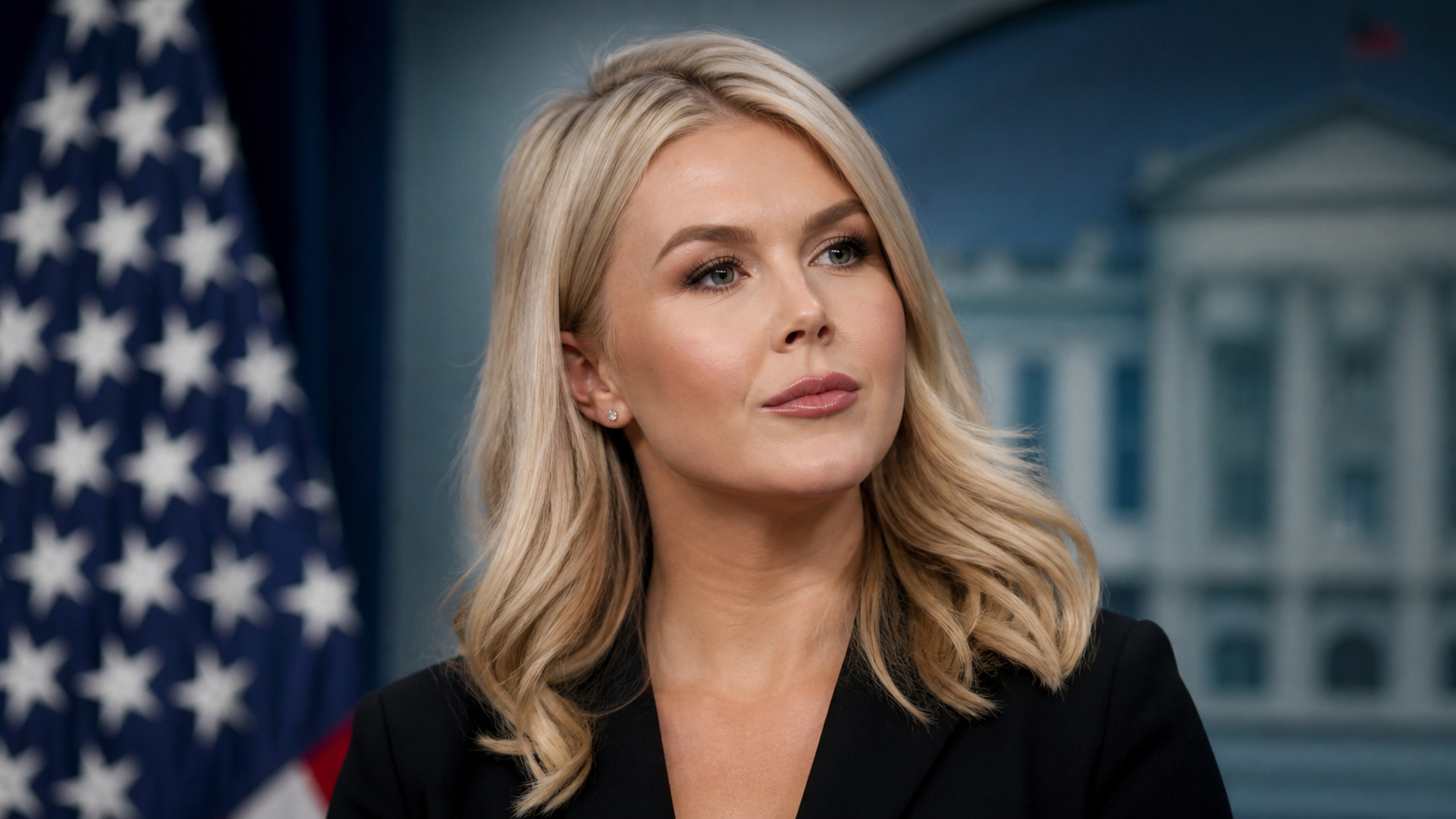
In American politics, the rise of young, energetic figures tends to shake up established narratives. Recently, Karoline Leavitt’s name has been making waves — and not just within conservative circles. At only 26, she’s become a prominent spokesperson for former President Donald Trump’s 2024 campaign, representing a new generation of right-leaning political voices.
I find the attention around Leavitt fascinating because it highlights both a shift in political strategy and a glimpse into the aspirations of young conservatives in the post-Trump era. As discussions swirl around age, authenticity, and influence, understanding Leavitt provides a lens into where American politics might be heading.
What's Happening
Karoline Leavitt has quickly ascended from a White House communications staffer during Trump’s first term, to a congressional candidate, to her current position as the national press secretary for Trump’s 2024 campaign. She’s known for her spirited media appearances and for directly challenging political opponents and mainstream narratives.
- Recent headlines have featured Leavitt for her combative interviews on networks like CNN and Fox News, especially after a notable clash with CNN’s Kasie Hunt in June 2024 that went viral.
- Her background includes stints at local TV news, the Trump White House press office, and a run for Congress in New Hampshire, where she clinched the Republican primary but narrowly lost the general election in 2022.
- Leavitt positions herself as a champion of “America First” policies — emphasizing energy independence, border security, and opposition to what she sees as “media bias” and “woke” culture shifts.
- She’s often cited by conservative media as one of the youngest and most effective communicators for the MAGA (Make America Great Again) movement.
Whether you agree with her views or not, Leavitt’s rise signals a strategic appeal to younger conservative voters and a rebranding effort for the Trump campaign.
Why This Matters
The public spotlight on Karoline Leavitt matters for several reasons. First, she represents a generational shift in right-wing politics, breaking the stereotype of older, establishment conservative spokespeople. Her presence challenges Democrats — historically stronger with younger voters — to reconsider their strategies.
More broadly, Leavitt’s visibility speaks to intensifying media polarization. Her clashes with journalists and her social media savvy embody how political messaging is morphing into real-time performance, often amplified by viral moments rather than traditional press conferences.
For voters, especially young ones, figures like Leavitt pose a question: Who shapes the future of American conservatism, and how will new voices balance ideology with the realities of an evolving electorate?



