
Introduction
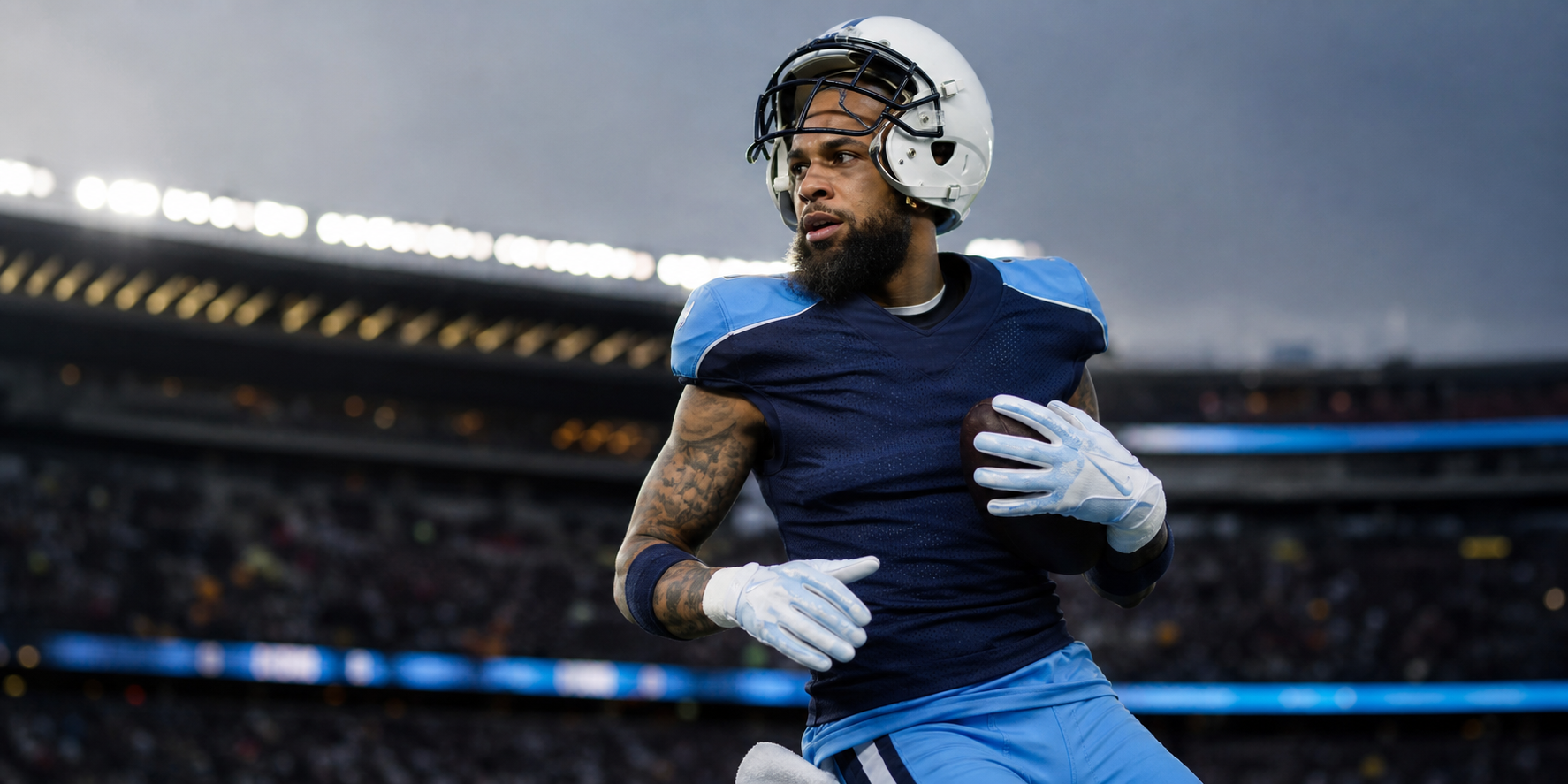
Keenan Allen has long been one of the NFL’s most consistent and productive wide receivers. Now, with major offseason moves and fresh reports swirling, Allen’s future—and what it means for the league—has become a trending topic of conversation among fans, fantasy players, and NFL insiders alike.
This story matters now because Allen’s transition, alongside other receiver developments such as Alec Pierce’s role with the Colts, signals changing dynamics within NFL offenses. With franchise-defining trades, depth chart shakeups, and strategic realignments underway, understanding Allen's next steps offers a window into how teams value veteran talent versus emerging playmakers.
Key Takeaways
- Keenan Allen was traded from the Los Angeles Chargers to the Chicago Bears in March 2024, ending his storied tenure in Los Angeles.
- Allen joins a revamped Bears receiving corps, potentially lining up with D.J. Moore and rookie Rome Odunze.
- Alec Pierce, while not directly connected, is another young wide receiver drawing attention for his increased role with the Colts as NFL teams recalibrate their lineups.
- The evolving receiver landscape highlights how franchises balance veteran reliability with the potential of developing younger players.
- Analysts are closely watching Allen’s adaptation to a new offense and what it means for both the Bears and the broader NFL receiver market.
What's Happening
Keenan Allen, age 32, was traded by the Los Angeles Chargers to the Chicago Bears ahead of the 2024 NFL season. The move came as the Chargers sought to retool their roster and free up salary cap space, while the Bears aimed to bolster their receiving attack for rookie quarterback Caleb Williams.
Allen brings a decade’s worth of high-level experience, including six 1,000-yard seasons and multiple Pro Bowl nods. In Chicago, he joins a dynamic cast—D.J. Moore, rookie Rome Odunze, and tight end Cole Kmet—that offers a range of options for their passing game. Allen’s reputation as a precise route runner and reliable third-down target is expected to help stabilize the Bears’ young offense.
Concurrently, the Indianapolis Colts have seen Alec Pierce, a 2022 second-round pick, step into a larger role after the departure of veteran targets. Pierce, known for his deep-threat ability, is expected to complement Michael Pittman Jr. and rookie additions, reflecting a league-wide pattern where teams prioritize developing ascending players.
- Allen’s trade generated buzz for being both a financial and strategic decision by the Chargers.
- The Bears hope Allen’s leadership will accelerate their offensive development in a highly competitive NFC North division.
- Across the league, more franchises are experimenting with receiver pairings that blend veteran savvy and youthful upside, as the Colts are doing with Pierce.
Why This Matters
The movement of high-caliber wide receivers like Keenan Allen can dramatically change the fortunes of both acquiring and departing clubs. For the Bears, Allen’s arrival means their rookie quarterback has a reliable, proven target from day one—potentially accelerating Caleb Williams’ adjustment to the NFL.
From a league perspective, Allen’s move and rising stars like Alec Pierce demonstrate how teams are strategically rebuilding their rosters to balance immediate competitiveness with long-term development. The choices made by the Chargers, Bears, and Colts signal an ongoing evolution in how passing attacks are constructed in the modern NFL.
Different Perspectives
Bears Fans and Optimists
Supporters argue that Allen provides an instant boost to Chicago’s offense, offering mentorship for young receivers and a safety net for their rookie quarterback. Many see Allen’s precise skill set as the missing ingredient in elevating the Bears’ passing game.
Chargers’ Strategic View
From the Chargers' perspective, trading Allen frees up salary cap space, allows for investment in younger players, and aligns with a broader roster refresh. While Allen’s departure is bittersweet, many fans understand it as a necessary step for future flexibility.
Analyst and Neutral Observers
Many analysts see this as a textbook example of the NFL’s “win now” vs. “build for the future” debate. They note the risk for both sides: the Bears could get much-needed production, but Allen is in his thirties; the Chargers, meanwhile, have sacrificed proven reliability for growth potential.



