Introduction
Every year, anticipation for the next iPhone reaches a fever pitch long before Apple’s official unveiling. This season is no different: tech sites, leakers, and analysts are buzzing with predictions about what Apple will do next. From camera upgrades to design changes, it seems like everyone has a theory. Lately, I’ve noticed a new wave of excitement—and confusion—surrounding the latest iPhone rumors, making this a pivotal moment for sorting out what’s real, what’s plausible, and what’s more wishful thinking than fact.
I find this cycle fascinating because Apple’s secrecy fuels not just curiosity but innovation across the industry. As fresh rumors swirl for the next iPhone generation, let’s illuminate what’s being said, why people care so deeply, and how all these leaks ripple through tech culture.
What's Happening
The latest iPhone rumors focus on both hardware and software enhancements, with some speculations more credible than others. Here’s a breakdown of what’s grabbing headlines—and why.
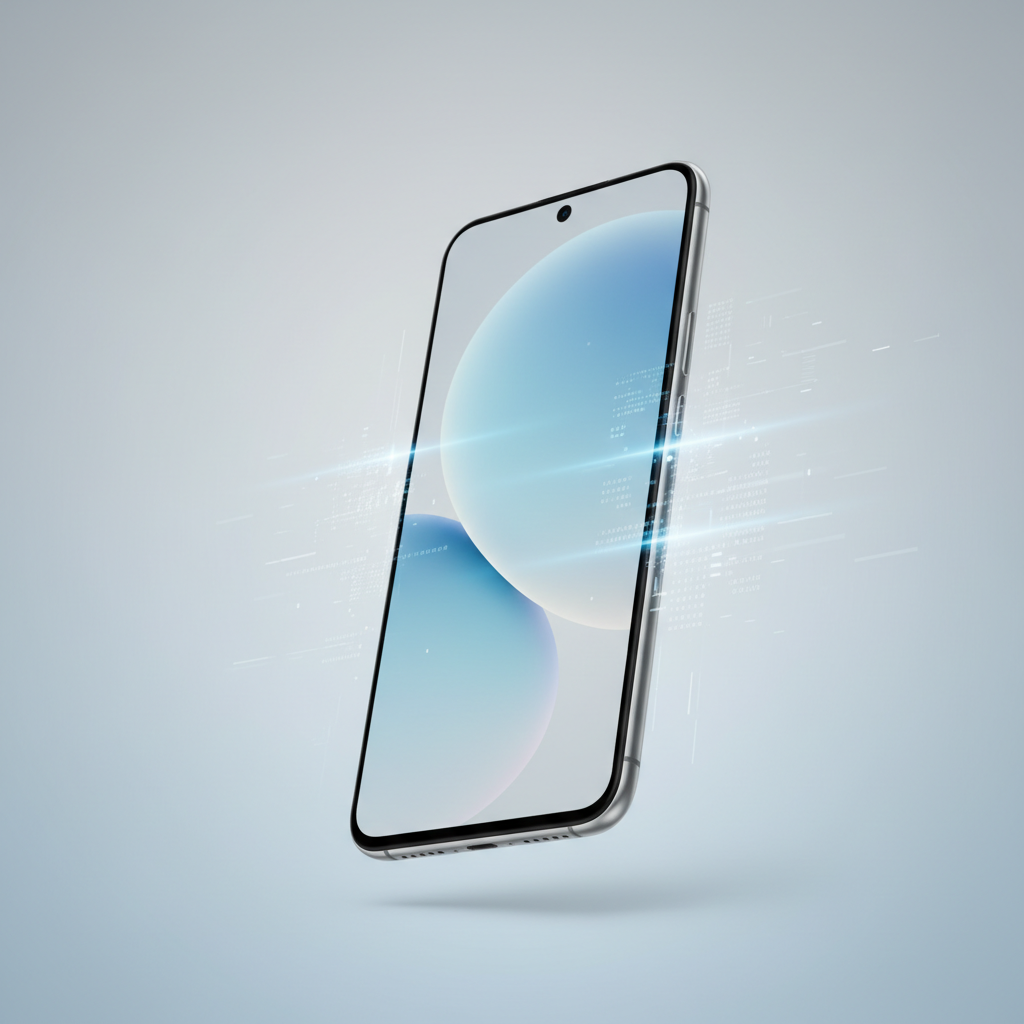
- Redesigned Frame: Leaks point to a thinner chassis with slightly curved edges, reminiscent of older iPhone models merged with cutting-edge materials.
- Tetraprism Camera Upgrade: Speculated as a leap forward for photography, this new technology could greatly enhance optical zoom and low-light performance.
- Buttonless Design: Some sources hint at solid-state, touch-sensitive controls replacing physical buttons, but this remains contentious among experts.
- AI Integration: Apple is reportedly developing on-device AI features, like smarter photo editing and real-time language translation to directly challenge competitors.
- Larger Battery Life and Charging: There’s talk of improved battery modules and even faster MagSafe wireless charging, but details are hazy.
Tech outlets and popular leakers like Mark Gurman and Ming-Chi Kuo are at the forefront, providing supposed inside scoops—though accuracy has varied in recent cycles. With the next Apple event expected in the fall, concrete details are scarce and carefully guarded, which only amplifies speculation.
Notably, software rumors are also swirling: iOS updates focused on AI-powered notifications, privacy enhancements, and even improved AR experiences, potentially leading to ecosystem-wide changes. The stakes feel especially high as Apple faces pressure to innovate in the shadow of rapid advancements from competitors utilizing generative AI.
Why This Matters
The impact of these iPhone rumors stretches far beyond Apple’s loyal customers. The entire consumer electronics industry orbits around Apple’s design choices, often setting the tone for the next year’s gadget lineup from rivals.
For users, rumored advancements promise real, tangible benefits—better photos, new ways to interact with devices, and extended battery life can have a genuine impact on daily life. Developers, accessory makers, and even Wall Street pay close attention, since even a small feature tease can influence app development pipelines, manufacturing plans, and stock prices.
But I also see how the hype cycle itself changes expectations: it raises the bar for innovation and sometimes generates more buzz than a single product can realistically meet. This cycle can lead to disappointment if the real announcement feels too incremental compared to runaway speculation.