
Introduction
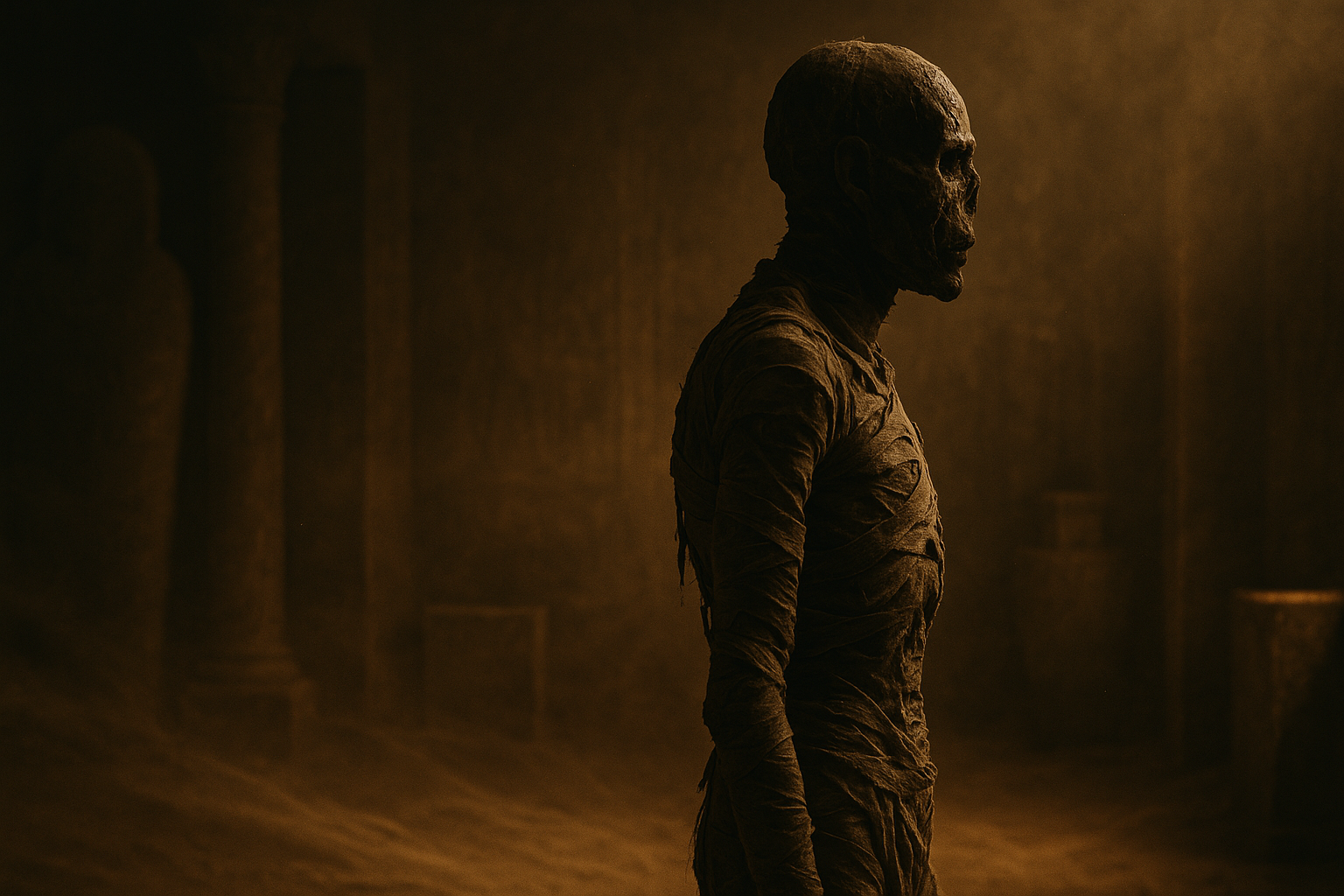
Something ancient is stirring in Hollywood—and it’s got both horror fans and movie buffs talking. Acclaimed director Lee Cronin, known for his unsettling vision in ‘Evil Dead Rise,’ has been tapped to resurrect one of cinema’s most legendary monsters: The Mummy. The announcement that Cronin will helm a new adaptation for Universal has electrified the internet, reigniting questions about the future of classic horror and franchise filmmaking.
Why does this matter now? With studios hungry for successful reboots and horror continuing its box office dominance, the intersection of visionary directors and time-honored IPs like The Mummy signals a new era. I find this fascinating because it highlights not just creative risks, but also a broader conversation about how we reimagine the stories that haunt us, decade after decade.
What's Happening
The news broke when Universal Pictures confirmed that Lee Cronin would be writing and directing a new film titled “The Mummy,” aiming to relaunch the iconic monster for a modern audience. The announcement comes on the heels of the successful reboot of other Universal monster properties, with Cronin’s involvement bringing fresh credibility.
- Lee Cronin: Gained acclaim for ‘Evil Dead Rise’ (2023), praised for inventive, tension-filled horror.
- Universal’s Monster Legacy: “The Mummy” first hit screens in 1932, spawning numerous sequels and remakes, including the Brendan Fraser action adventure in the late 1990s and Tom Cruise’s 2017 attempt to start a “Dark Universe.”
- Reboot Goals: Universal is seeking to avoid the pitfalls of recent misfires by empowering filmmakers with unique voices and visions, rather than formulaic franchise-building.
- Initial Reactions: Horror communities online are abuzz, speculating whether Cronin will return the character to its terrifying roots or blend horror with action and mythology.
Though plot details are still under wraps, Cronin has hinted at honoring the tragic, unsettling elements of the original while exploring new nightmares for contemporary viewers.
Why This Matters
This new chapter for “The Mummy” matters for several reasons. Firstly, it’s a key signal about how Hollywood is approaching its back catalogue—favoring distinct creative vision over mere nostalgia or shared universe strategies. Horror’s renaissance at the box office means studios have more confidence in bold, unsettling stories taking center stage.
The project also gives horror fans hope that the genre can re-engage with its own history in exciting, innovative ways—potentially reinvigorating the Universal monsters for a new generation without diluting what made them iconic in the first place.
On a cultural level, the story of The Mummy—rooted in colonial-era fascination with Egypt—offers new opportunities to explore themes of cultural appropriation, ancient trauma, and the lines between science, myth, and greed.
Different Perspectives
The Horror Purists
This camp is excited by Cronin’s track record, hoping he’ll restore The Mummy’s roots as a figure of dread, melancholy, and supernatural menace, rather than the bombastic action hero of recent films. They want scares over spectacle.



