
Introduction
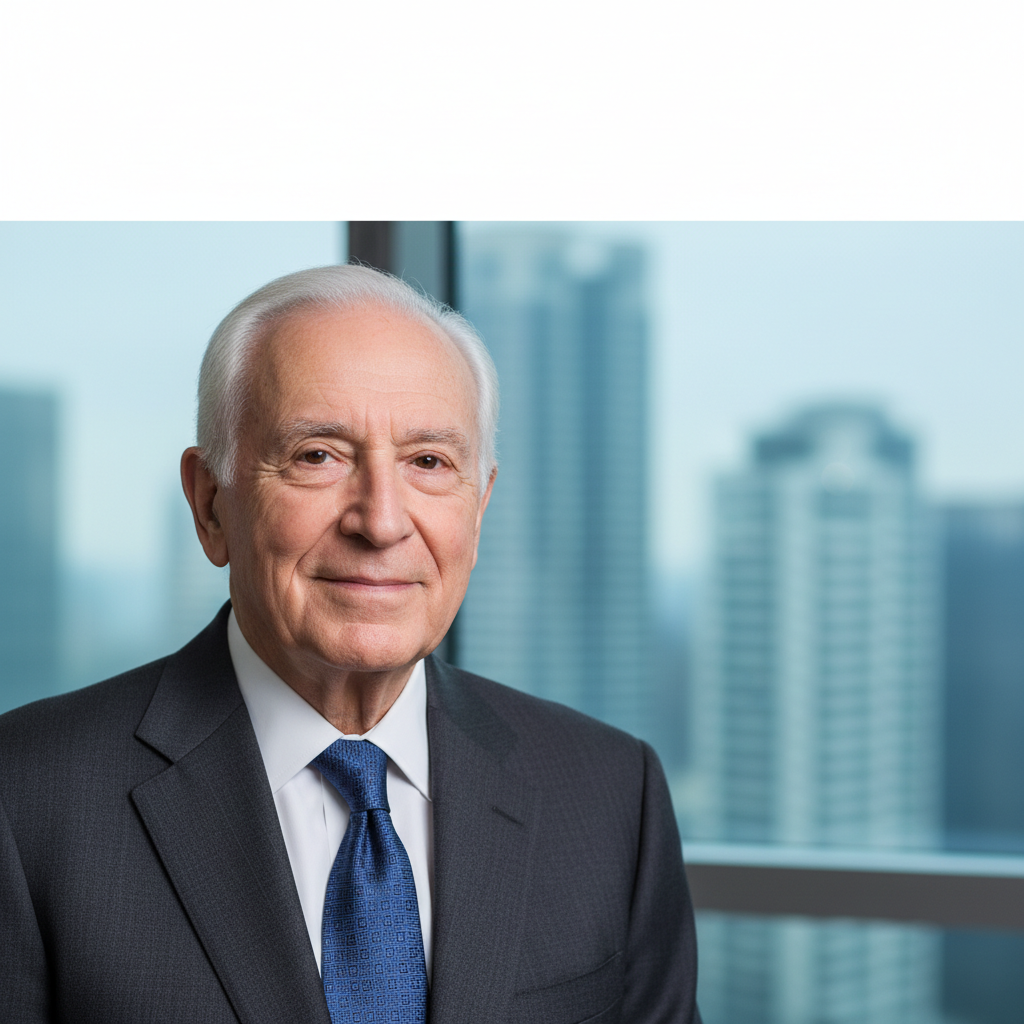
Mark Mobius has long been synonymous with emerging markets investing—a terrain known for both promise and peril. With global markets in flux in 2024, Mobius’s insights and career trajectory are once again surfacing in financial headlines and debates. I find this fascinating because in a world that’s rapidly changing, seasoned perspectives like Mobius’s can offer both context and caution for the next generation of investors.
What makes Mobius a trending topic now? Renewed volatility, the rise of “frontier” economies, and his outspoken views on everything from sovereign debt to cryptocurrency are fueling fresh interest. As debates swirl around deglobalization and shifting investment paradigms, Mobius’s perspective cuts through the noise—and I’m here to shine a light on why that matters today.
What's Happening
Mark Mobius, sometimes called the “Indiana Jones of emerging markets,” is a legendary investor with decades of experience, primarily as the face of Templeton Emerging Markets Group. Recently, his interviews and opinions on global finance, the risks of certain regions, and the future of currencies have sparked widespread discussion in both financial media and online forums.
- Mobius led Templeton’s emerging markets arm for over thirty years, overseeing billions in investments across Asia, Africa, and Latin America.
- He’s been vocal about both the opportunities and hazards of investing in places with high political risk or low transparency, cautioning against overexposure to China and Russia in recent months.
- Mobius regularly comments on the impact of US Federal Reserve policy, inflation pressures, and the vulnerabilities of various currencies—his recent warnings about potential currency controls in developing markets have triggered fresh debate.
- He's also weighed in on cryptocurrency, expressing skepticism toward Bitcoin but showing openness to blockchain’s underlying technology.
In recent months, Mobius’s analysis received renewed attention when he faced difficulty transferring funds out of China—a situation he publicized as a warning about the importance of capital controls and regulatory risks.
With ongoing geopolitical shifts, Mobius remains active as the head of his own firm, Mobius Capital Partners, and continues to influence investment strategies worldwide.
Why This Matters
Mobius’s voice carries weight because he’s seen the cycles of boom, bust, and reform in emerging economies more often than most. His recent commentary highlights rising skepticism among investors about the safety—and wisdom—of chasing yield in the riskiest markets.
As inflation, sanctions, and new political alignments continue to disrupt global flows, Mobius’s experiences with everything from capital controls to corruption offer crucial lessons. Investors, policymakers, and even everyday savers are grappling with how to balance risk and opportunity in places where rules can change overnight.
Moreover, his evolving stance on assets like cryptocurrency reflects broader generational and philosophical shifts about what constitutes “safe” or “real” value in an uncertain world.
Different Perspectives
Traditionalist Investors
Many seasoned investors see Mobius as a guiding figure who validates caution in volatile markets. They support his warnings, focusing on capital preservation and measured exposure to high-risk economies. For these investors, Mobius embodies prudent skepticism.



