
Introduction
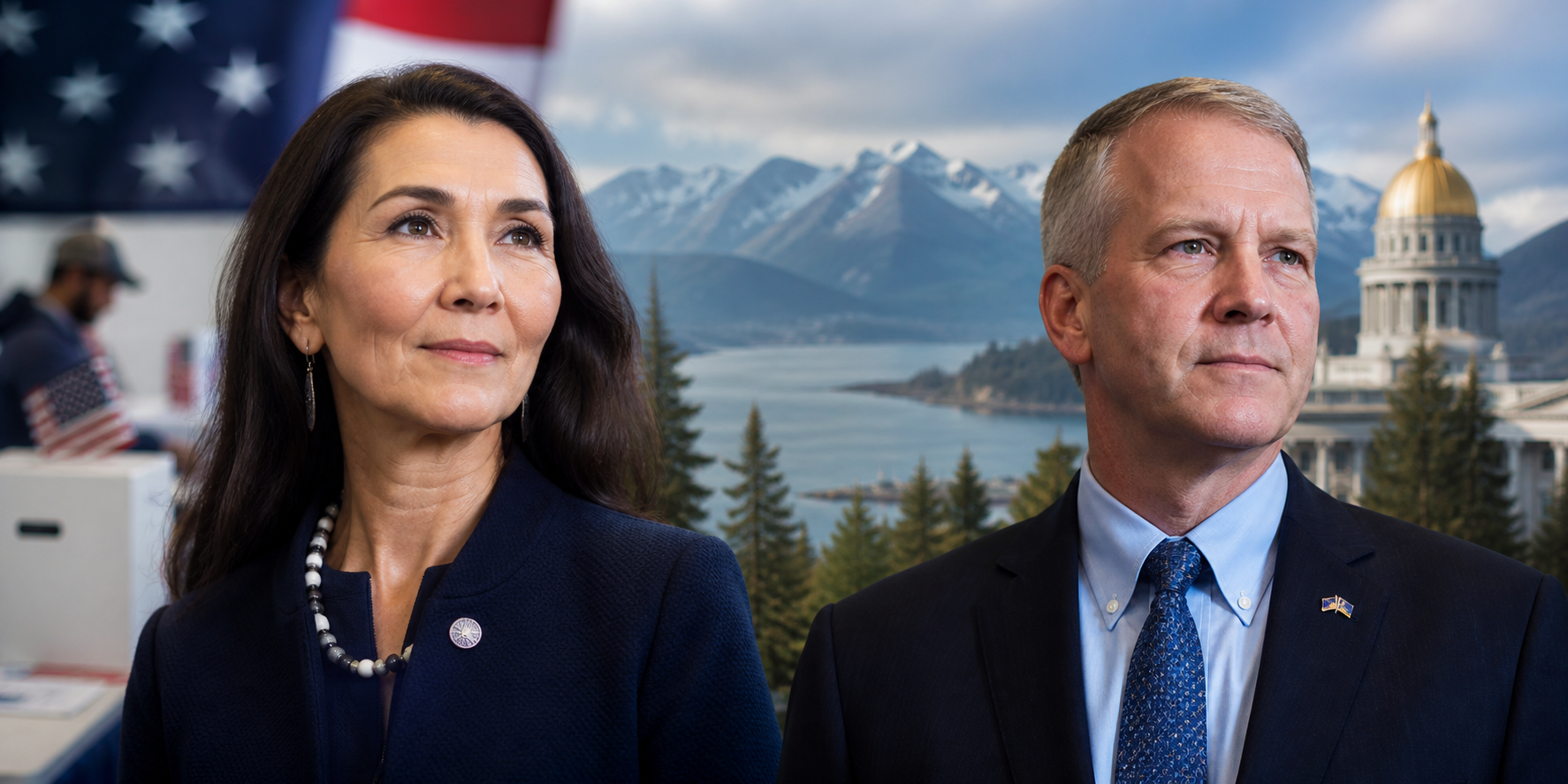
As the Alaska primary unfolds, all eyes are on the state’s leading political figures: Representative Mary Peltola and Senator Dan Sullivan. Alaska’s unique blend of political independence, evolving party loyalties, and ranked-choice voting makes this primary more than a local affair—it’s a microcosm of broader trends in American politics.
I find this moment fascinating because the stakes for Alaska—resource policy, Native rights, energy development, and national influence—have rarely been higher. The results could serve as a bellwether for how shifting voter sentiments and new electoral systems might ripple across the nation in 2024 and beyond.
Key Takeaways
- Mary Peltola and Dan Sullivan are prominent figures at the center of Alaska’s primary elections, with national implications.
- Alaska employs a ranked-choice voting system, influencing both campaign strategies and election outcomes.
- Early results show strong voter engagement across party lines, highlighting Alaskans’ independent political style.
- Major policy debates include natural resource management, energy, Native rights, and state-federal relations.
- This primary is closely watched as a sign of how electoral reforms and shifting alliances could shape future U.S. elections.
What's Happening
The Alaska primary, part of the state’s closely watched 2024 election cycle, features high-profile contests that include Representative Mary Peltola and Senator Dan Sullivan. Peltola, the first Alaska Native elected to Congress, is a Democrat known for her pragmatic approach and widespread appeal beyond traditional party lines. Sullivan, a Republican incumbent, has held his Senate seat since 2015 and wields considerable influence both in Alaska and D.C.
This year's race is notable for its use of ranked-choice voting, first introduced in Alaska in 2022. Instead of picking just one candidate, voters rank their preferences, and the process allows for more nuanced outcomes—potentially favoring moderate or cross-party appeal.
Key themes in this primary include debates over federal versus state control of land, natural resource extraction (notably oil and gas), climate change policies, and the rights and representation of Alaska Natives. Both Peltola and Sullivan have taken nuanced stances—sometimes breaking with their parties to reflect local sentiment.
- Alaska’s primary typically attracts a diverse electorate, not strictly divided along national party lines.
- The ranked-choice system may lead to late night or even delayed final results, as lower-ranked candidates are eliminated and votes reallocated.
- Early reporting from Anchorage and rural areas shows higher-than-average turnout, particularly among younger and indigenous voters.
Why This Matters
The outcome of the Alaska primary carries weight far beyond state borders. Alaska’s federal delegation is often pivotal on key national policies, ranging from energy independence to Native sovereignty—and the state’s unique issues require nuanced navigation in Washington.
Moreover, Alaska’s experiment with ranked-choice voting is being closely observed nationwide. Success (or perceived failure) of the system could influence other states considering similar reforms. The way candidates like Peltola and Sullivan position themselves might also suggest how politicians elsewhere will adapt to new electoral expectations, focusing on consensus-building and broad appeal.
Different Perspectives
Supporters of Mary Peltola
Peltola’s backers praise her for bridging divides—both party and cultural. Her focus on sustainable development, indigenous rights, and collaborative lawmaking stands out in a polarized era.
Dan Sullivan's Constituency
Sullivan’s supporters appreciate his focus on resource development, strong national defense, and advocacy for Alaska’s autonomy from federal overreach. His record in the Senate is seen as a bulwark against perceived threats to traditional Alaskan industries.
Independent Voters in Alaska
Many Alaskans eschew party labels and prioritize practical solutions. The ranked-choice system empowers these voters to select candidates based on competence and stance on issues, rather than party loyalty.
Election Reform Advocates
Proponents of ranked-choice voting regard Alaska’s primary as a crucial experiment. They argue it can reduce negative campaigning and encourage coalition-building but are watching for potential complications in interpreting the results.



