
Introduction
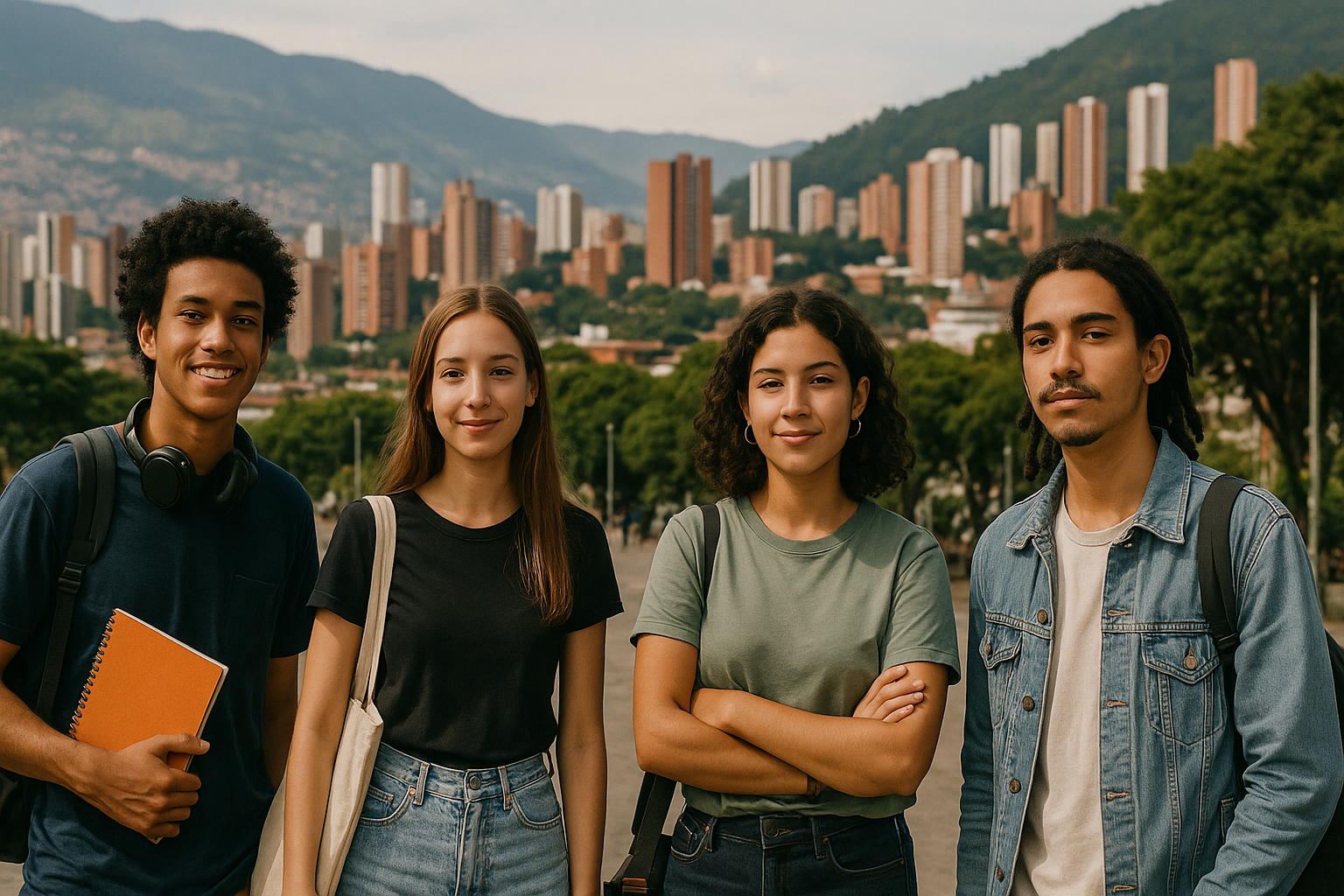
Few cities in Latin America have transformed their global reputation as radically as Medellín. Just a few decades ago, it was infamous for its violence and drug cartels—a symbol of urban despair. Today, the city is rewriting its story, and at the heart of this transformation are Medellín’s young people. The words Medellín - Juventud (Medellín - Youth) spark hope, conversation, and sometimes tension both locally and globally.
What’s fascinating about the current moment is the visibility and vibrancy of Medellín’s youth. Whether they are leading tech startups, standing at the forefront of social movements, or transforming public spaces through art and music, they are central to defining Medellín’s trajectory in 2024 and beyond. Why are they so important right now—and what hurdles do they still face?
What's Happening
Medellín’s youth—defined in Colombia as those between 14 and 28—make up nearly a third of the city’s population. Their collective actions are shaping Medellín on multiple fronts.
- Innovation and Tech: The city has become a Latin American tech hub. Young entrepreneurs are launching startups, especially in areas like fintech, green tech, and digital media.
- Social Activism: Youth movements are leading protests for better education, employment, gender equality, and environmental protection. The 2021 “Paro Nacional” (National Strike) saw young people take to the streets, demanding systemic change.
- Cultural Renaissance: Medellín’s hip-hop, reggaeton, and graffiti scene is driven by young artists who use creativity as both expression and resistance. Public art—think vibrant murals in Comuna 13—has put youth culture on the international map.
- Challenges Remain: Unemployment, access to quality education, violence, and social inequities remain persistent problems. According to recent figures, youth unemployment in Medellín hovers near 20%, well above the national average.
Public policy reflects this energy. The city invests in “Centros para el Desarrollo de la Creatividad y la Innovación Juvenil” (Centers for Youth Creativity and Innovation), after-school programs, and participatory budgets that give young people a say in their futures.
Yet, every achievement reveals a new challenge. As Medellín’s youth become catalysts of change, they also face pressures from entrenched inequality and a city still contending with its past.
Why This Matters
Understanding Medellín’s youth is crucial—not just for Colombia, but for anyone interested in how younger generations shape urban futures. The stakes are high:
- With nearly 30% of the city under 29, youth issues impact the overall health, stability, and prosperity of Medellín.
- Youth-led innovation has boosted Medellín’s global profile, attracting tech investment and tourism—but this growth is fragile if not inclusive.
- Persistent social divides risk undermining youth progress, especially for those in poorer neighborhoods where violence and unemployment intersect.
The energy, resilience, and creativity of Medellín’s youth may be the city’s best hope for durable peace and global relevance—but only if their voices are truly heard and their needs addressed.
Different Perspectives
Optimistic View: Youth as Medellín’s Engine of Change
Supporters argue that Medellín’s youth have already achieved remarkable progress. Tech parks, international art festivals, and thriving startups prove that young people are overcoming barriers and reshaping Medellín into a model Latin American city.



