
Introduction
The world of virtual reality is rapidly evolving, and Meta—the tech giant once known as Facebook—has set ambitious sights on shaping our digital experiences. With the buzz around Meta VR glasses reaching a fever pitch, many are wondering if we're on the edge of the next big leap in wearable technology. The implications stretch well beyond gaming, touching daily communication, work, and education.
I find this fascinating because, for the first time, a major player is seeking to normalize immersive interfaces in everyday life. As new details and rumors swirl around upcoming Meta VR glasses, I believe it's critical to separate hype from reality, and to consider what this all means for how we might connect, create, and experience the world.
Key Takeaways
- Meta is investing heavily in wearable VR glasses aimed at mainstream adoption, beyond the current VR headsets.
- The rumored Meta VR glasses may integrate augmented reality (AR) capabilities, blending digital and real-world experiences.
- Potential applications span social networking, gaming, productivity, and remote collaboration.
- Privacy, accessibility, and health concerns remain at the forefront of public debate about wearable VR devices.
What's Happening
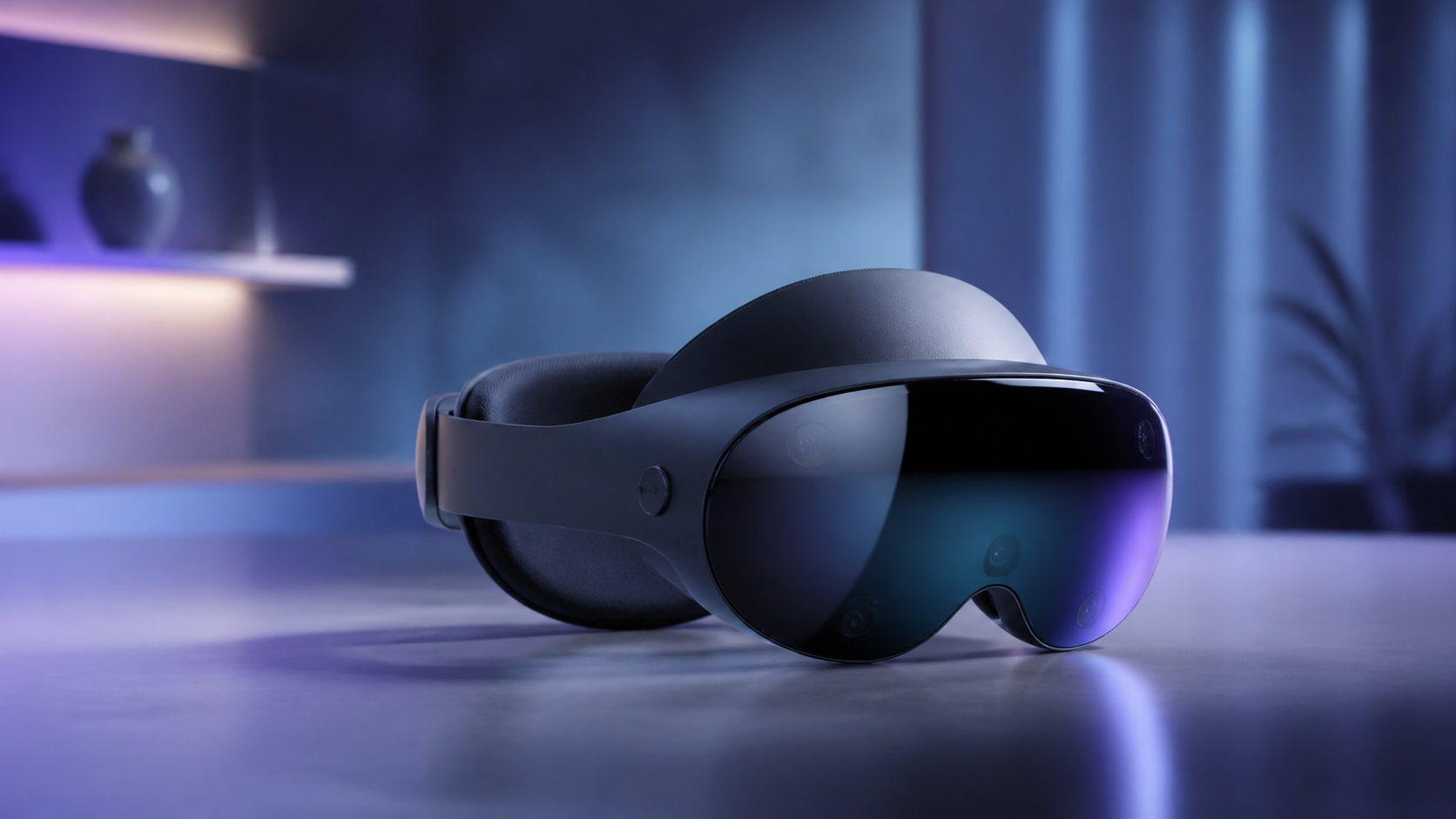
Meta VR glasses—sometimes called Meta's "smart glasses" or mixed reality eyewear—refer to lightweight, head-mounted devices under development by Meta Platforms, Inc. Unlike current bulky VR headsets, these glasses aim for a more subtle, everyday-wear design that incorporates both virtual and augmented reality technologies.
The company has already experimented with simpler "smart glasses," such as the Ray-Ban Stories, which focus on recording and sharing content. However, the next-generation Meta VR glasses are anticipated to offer immersive displays, onboard processing, spatial audio, hand tracking, and voice controls. Rumors suggest they could launch as early as 2025, with multiple models targeting different user needs.
- Meta has filed numerous patents on lightweight AR/VR designs and eye-tracking technology.
- Project Nazare and Orion are codenames reportedly tied to Meta’s advanced VR eyewear prototypes.
- Leaked information hints at high-resolution micro-displays and seamless integration with Meta's social platforms like Horizon Worlds.
The broader trend is moving VR from an enthusiast niche to mainstream practicality—a goal Meta’s CEO Mark Zuckerberg has articulated as central to his vision for the "metaverse." This underlines a bigger shift: wearable computing that brings digital information into natural sightlines, possibly redefining how we engage with data and each other.
Why This Matters
The potential mainstream debut of Meta VR glasses isn’t just a product launch—it could signal a paradigm shift in human-computer interaction. If successful, these glasses might move digital engagement away from smartphones and toward seamless, hands-free interfaces, impacting industries from education and healthcare to entertainment and remote work.
It also raises fundamental questions about privacy in public spaces, equitable access to new technologies, and the psychological effects of blending digital and physical realities. For innovators, educators, and policymakers, understanding these implications is essential as we navigate both opportunities and unintended consequences.
Different Perspectives
The Technologist’s Perspective
Many see Meta VR glasses as a major breakthrough—an opportunity to expand digital creativity, social connection, and productivity tools beyond the limits of flat screens. Proponents highlight the potential for richer remote collaboration and gesture-based interfaces.
The Privacy and Ethics Perspective
Critics are vocal about privacy risks, noting the potential for constant video/audio recording and the tracking of eye and hand movements. There is concern about data security, surveillance, and the normalization of being recorded in public and private spaces.
The Accessibility Advocate
Accessibility advocates are cautiously optimistic, noting that VR glasses might empower people with disabilities through visual overlays, subtitles, or spatial guidance. Still, there are worries about cost, usability, and whether these tools will be designed inclusively from the start.