
Introduction
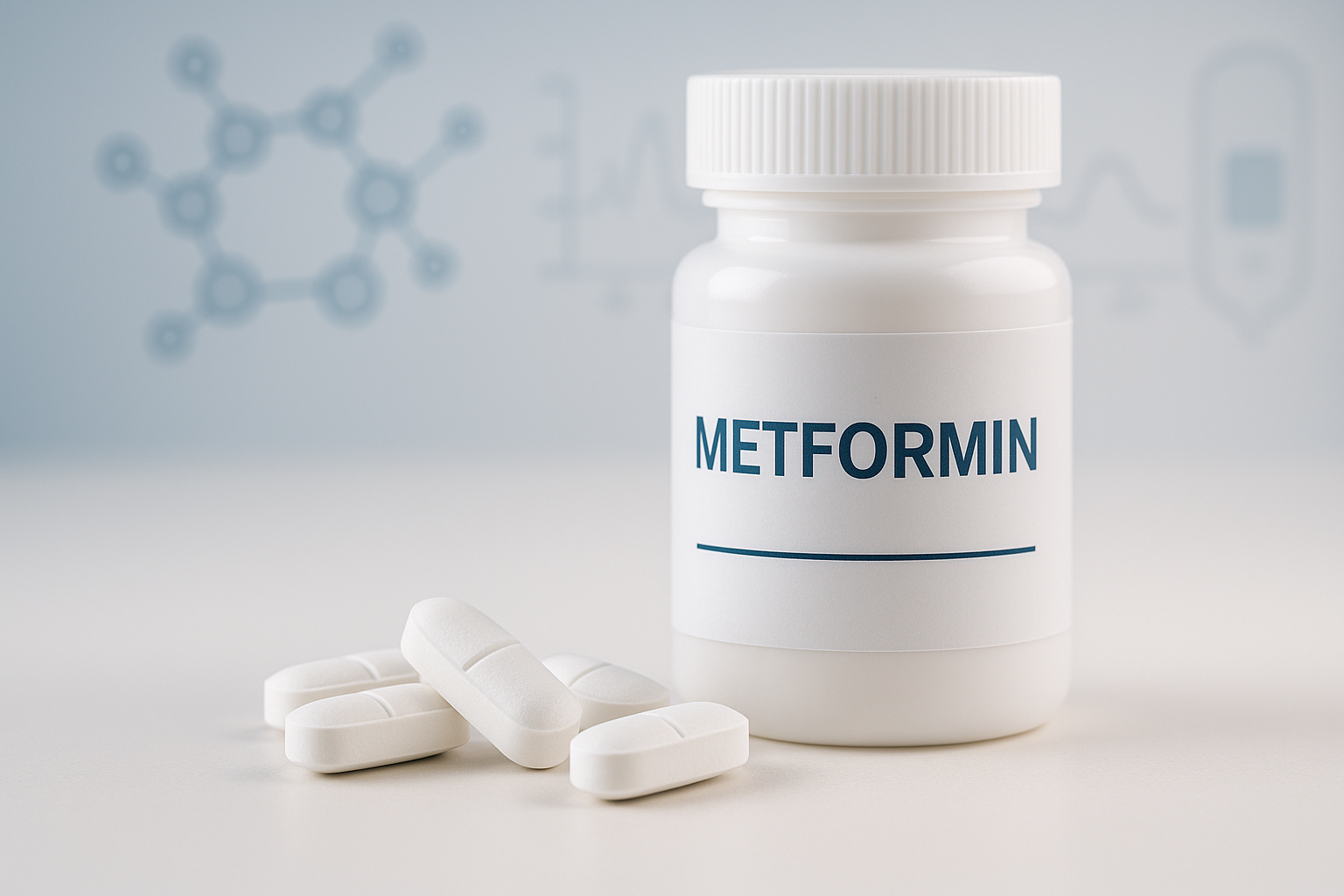
Metformin is making headlines once again—not just as a cornerstone for type 2 diabetes treatment, but as a possible anti-aging wonder pill and a subject of heated medical debate. Its resurgence is driven by a wave of new studies, celebrity anecdotes, and ongoing interest from the longevity community. What makes this decades-old drug so important—and why are so many people talking about it now?
I find this fascinating because it’s rare for a generic medication to capture such broad attention, extending beyond its original purpose. The evolving story of metformin is a window into how science, hype, and personal health choices intersect in our rapidly changing world.
What's Happening
Originally approved in the 1950s, metformin has been a first-line therapy for type 2 diabetes, helping millions control blood sugar and reduce long-term complications. But lately, it’s experiencing a renaissance as researchers and the public explore its potential in areas far beyond diabetes.
- Diabetes Management: Metformin remains widely prescribed for controlling blood glucose, with a long-established safety record and low cost.
- Anti-Aging Hype: Animal studies and some observational research suggest metformin may extend lifespan and reduce age-related disease risk, spurring large trials like the TAME (Targeting Aging with Metformin) study.
- Weight Loss & Off-Label Use: Metformin is sometimes prescribed for polycystic ovary syndrome (PCOS) and, increasingly, by people without diabetes chasing metabolic ‘optimization’ or weight loss.
- Controversy & Safety: As its popularity grows, so do questions: Is widespread off-label use safe? Does it really help healthy people live longer? Some warn of side effects or nutrient deficiencies (like B12).
- Recent Research: In 2024, new data has both challenged and supported metformin’s wider use, with some studies raising doubts about its impact on longevity while highlighting its benefits for cardiovascular health.
All these threads are feeding a media storm and renewed scientific inquiry. From Silicon Valley execs to clinical guidelines committees, everyone seems to have an opinion on metformin’s future.
Why This Matters
The metformin discussion is more than a medical curiosity; it’s a potential paradigm shift in how we approach chronic illness and the aging process itself. If the anti-aging claims hold up, it could democratize access to longevity interventions, since metformin is inexpensive and widely available.
But sweeping enthusiasm brings risks—especially if over-the-counter or online purchases bypass medical oversight. Widespread use without robust data could lead to unforeseen harm, public confusion, or erosion of trust in science-based medicine.
Understanding metformin’s true potential—and its limits—demands thoughtful conversation and ongoing research, not quick fixes or viral trends.
Different Perspectives
The Medical Establishment
Many doctors and regulatory bodies endorse metformin for diabetes, but caution against off-label or anti-aging use until more evidence is available. Clinical trial data is still awaited for longevity, and safety in non-diabetic populations isn’t fully established.



