
Introduction
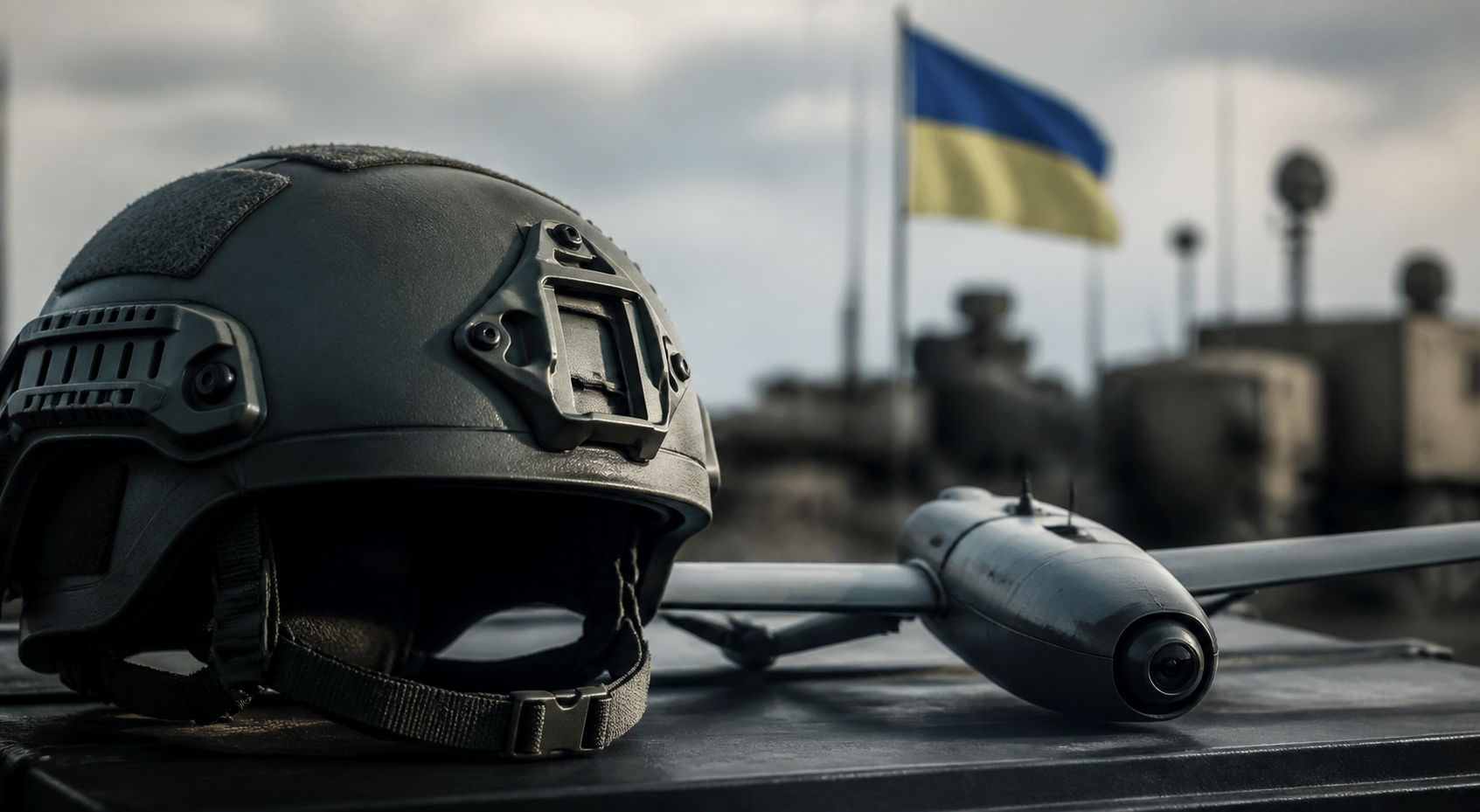
There’s a new name making headlines on the modern battlefield: the Mich 2000 Ukrainian drone. As conflict in Ukraine continues to drive rapid, sometimes stunning, innovation in military technology, drones like the Mich 2000 have seized the spotlight. Their use isn’t just about hardware—it’s about adaptation, resilience, and the power to shift the balance in real-world conflicts.
I find this fascinating because the Mich 2000 represents a convergence of accessible technology, urgent necessity, and national ingenuity. The story of this drone is in many ways the story of how warfare is changing before our eyes.
Key Takeaways
- The Mich 2000 Ukrainian drone is a low-cost, easily manufactured unmanned aerial vehicle (UAV) used extensively in Ukraine’s defense.
- This drone exemplifies how consumer and military technologies are merging in the face of battlefield necessity.
- Its rapid deployment demonstrates Ukraine’s ability to adapt and overcome logistical and resource challenges.
- The Mich 2000 reflects a wider trend of localization and improvisation in drone warfare worldwide.
- Lumen AI analysis finds such innovations are accelerating changes in global military strategies.
What's Happening
The Mich 2000 drone, sometimes referred to as an affordable battlefield workhorse, has become a key player in Ukraine’s ongoing conflict with Russia. Unlike sophisticated, high-budget UAVs from major military powers, the Mich 2000 is designed with practicality and cost-efficiency in mind. It can be produced and deployed rapidly, often using commercial components that are repurposed or locally manufactured.
What makes the Mich 2000 special is not dazzling new technology but rather its ingenious use of existing materials. Ukrainian teams have adapted designs that can be built in small workshops, sometimes even 3D printed parts, allowing for decentralized and flexible production far from traditional arms factories.
The Mich 2000’s main roles include reconnaissance, artillery targeting, and in some cases, delivering small explosive payloads. It’s a clear example of how affordable UAVs are empowering forces with limited resources to contest and in some cases outmaneuver better-equipped adversaries.
- The Mich 2000 is actively deployed in several regions of Ukraine for both surveillance and strike missions.
- Its simple construction allows for easy repair and replacement, keeping Ukrainian defense forces agile and responsive.
- Adapting drone technology in this way has inspired similar initiatives in other conflict zones.
Why This Matters
The evolution and employment of the Mich 2000 demonstrates the changing face of modern warfare. No longer is military dominance solely a function of big budgets and high-tech arsenals—improvisation and adaptability now play just as crucial a role.
This drone isn’t just reshaping tactics on the Ukrainian front; it’s inspiring militaries, resistance groups, and defense analysts worldwide. As Ukraine continues to punch above its weight technologically, nations are rethinking supply chains, procurement, and the very nature of airpower.
Different Perspectives
Ukrainian Military Perspective
For Ukrainian forces, the Mich 2000 is a symbol of self-reliance and resourcefulness. The ability to build and field drones locally reduces reliance on foreign suppliers and helps counteract shortages caused by ongoing conflict.
Russian Military Perspective
From the Russian side, drones like the Mich 2000 present a persistent challenge, increasing vulnerability to surveillance and attacks in areas previously considered safe from low-cost airborne threats.
Global Defense Analysts
Many defense experts see the Mich 2000 as emblematic of a new era: wars fought with accessible, quickly evolving technology rather than slow-moving, expensive traditional systems. They warn this could lower the threshold for future conflicts globally.
Civilian and Humanitarian Viewpoints
Civilians and aid groups worry about the proliferation of cheap UAVs escalating violence or being repurposed for non-military threats, while also recognizing their role in potentially saving lives through intelligence gathering.



