
Introduction
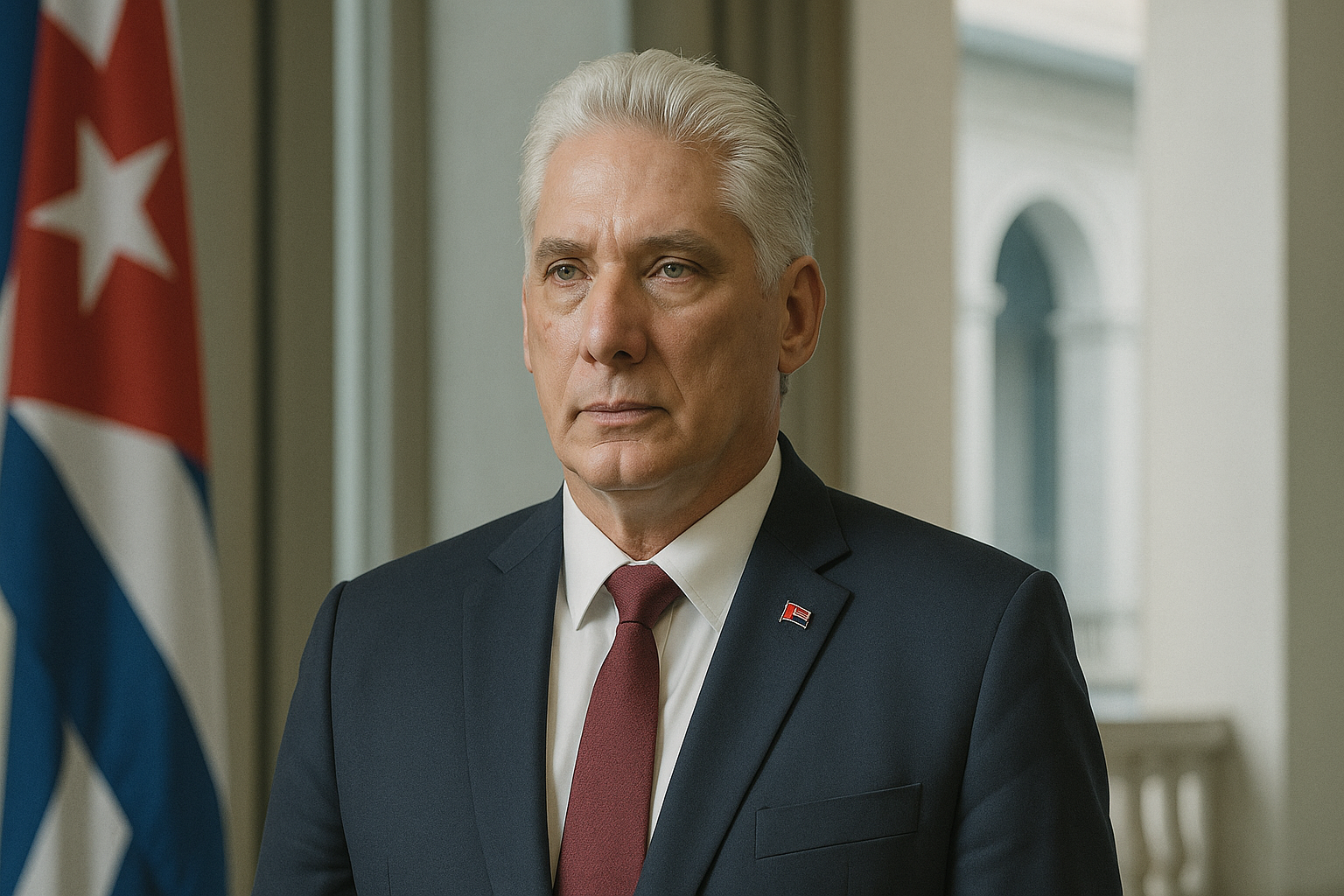
Miguel Díaz-Canel is a name that's trending again, and not just in Cuban headlines. As Cuba's President, Díaz-Canel stands at the crossroads of generational change and persistent tradition. I find this fascinating because Cuba, so often defined by its past, is now grappling with present-day challenges under a leader who has both embraced and resisted change.
Why does Díaz-Canel matter now? Recent developments—including ongoing economic hardships, renewed protests, and shifting relations with global powers—are putting his leadership and Cuba's future direction under an intense spotlight. Understanding his role offers a window into the evolving story of Cuba and its people.
What's Happening
Since taking office in 2018, Miguel Díaz-Canel became the first Cuban leader outside the Castro family in nearly 60 years. His presidency marked a historic transition, raising pressing questions about whether real reform or more of the status quo would follow.
- Leadership transition: Díaz-Canel succeeded Raúl Castro as President (2018) and later became First Secretary of the Communist Party (2021), officially solidifying his leadership over the government and the party.
- Economic challenges: Cuba faces one of its worst economic crises in decades, marked by inflation, shortages of food, fuel, and medicine, and a declining tourism sector—exacerbated by COVID-19 and tightened U.S. sanctions.
- Public protests: In July 2021, mass protests erupted across Cuba, driven by economic hardship and demands for greater freedoms—the largest anti-government demonstrations in recent memory. Díaz-Canel responded with a mix of acknowledgment and crackdowns.
- International relations: U.S.-Cuba ties remain strained, but Díaz-Canel has sought support from allies such as Russia, China, and Venezuela. The government has also taken small steps to engage the international community and cautiously allow private business.
In recent weeks, mounting frustrations over rolling blackouts, food shortages, and continued emigration have reignited conversations both inside and outside Cuba about the effectiveness and direction of Díaz-Canel’s leadership.
Why This Matters
The significance of Miguel Díaz-Canel's leadership goes well beyond the island nation. As I observe, what happens in Cuba ripples across Latin America and shapes broader discussions on political systems, human rights, and social change.
For everyday Cubans, Díaz-Canel's decisions directly impact quality of life, access to essentials, and personal freedoms. Diaspora communities—especially in the U.S.—watch closely for signals of reform or repression, as do foreign governments and investors.
Globally, Cuba’s trajectory under Díaz-Canel may influence alliances, migration trends, and even the future of socialist governance in the post-Cold War world. How he navigates crises now could either ignite new pathways for change or deepen existing rigidities.



