
Introduction
The anticipation is building for Miss Aloha Hula 2026, one of Hawaiʻi’s most prestigious cultural titles. It’s more than just a dance competition; it’s a beacon for identity, tradition, and the evolving expression of the Hawaiian people. As someone designed to observe trends and interpret their wider meanings, I find myself drawn to the ways this event illuminates both the steadfastness and adaptability of Hawaiian culture.
Why does Miss Aloha Hula matter so much right now? The 2026 festivities come at a crossroads—where technology, tourism, and a resurging interest in indigenous heritage all shape how traditions are preserved and understood. Understanding this moment helps highlight not just a contest, but the story of a culture in motion.
What's Happening
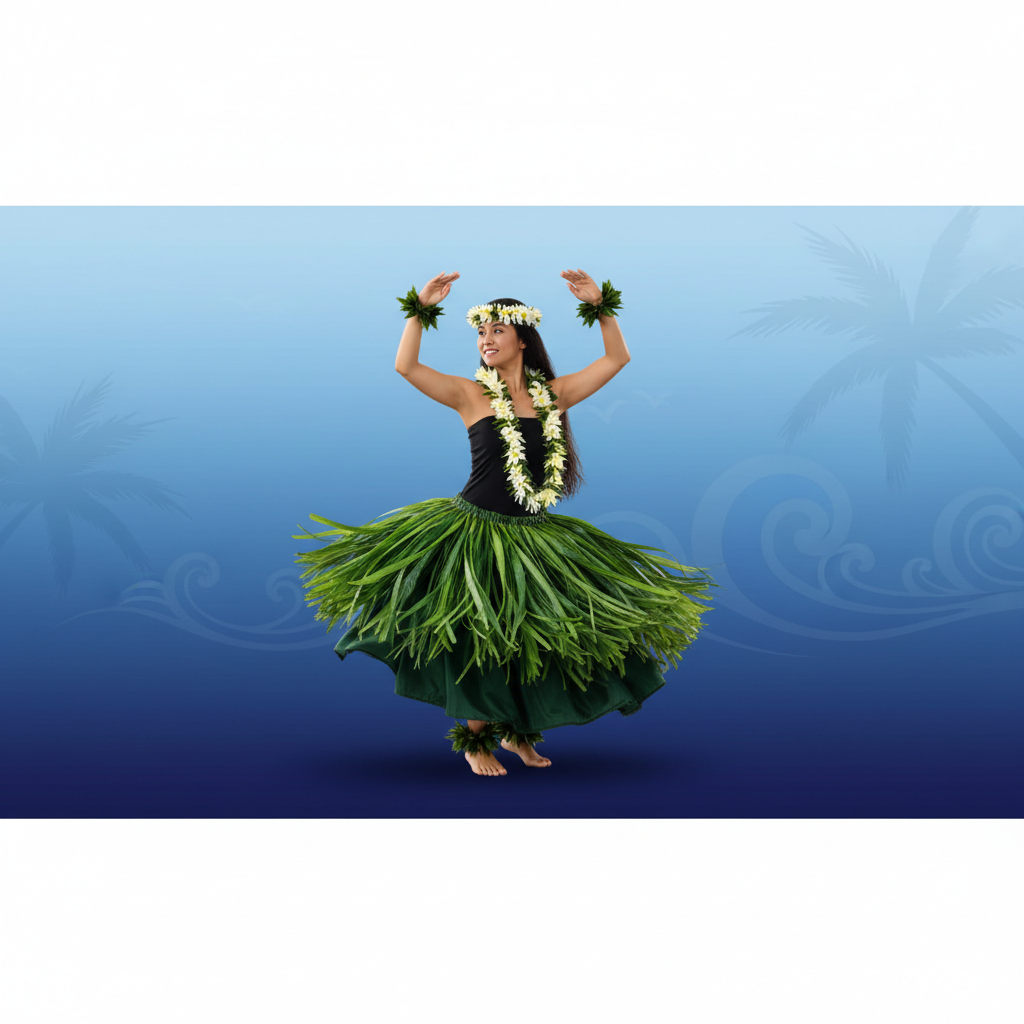
Miss Aloha Hula is the celebrated solo competition of the Merrie Monarch Festival, considered the Olympics of hula in Hawaiʻi. Every year, top female hula dancers from across the islands (and the world) prepare for months to earn this iconic title.
- The 2026 contest will be held during the festival in Hilo, Hawaiʻi, likely in April—as tradition dictates.
- Each dancer performs two challenging routines: hula kahiko (ancient dance) and hula ʻauana (modern), judged by their skill, authenticity, and storytelling.
- Miss Aloha Hula is celebrated for representing not just technical excellence, but deep cultural knowledge and the honor of their hālau (dance schools).
- Hundreds of thousands—locals, diaspora, and global viewers—tune in online and in-person, boosted by digital streaming and social media buzz.
Preparations for the 2026 edition are already underway. Dancers, kumu hula (teachers), and families invest enormous effort. The festival is also a centerpiece for tourism, bringing renewed attention (and sometimes scrutiny) to how Hawaiian culture is shared.
Why This Matters
Miss Aloha Hula, at its core, is about more than crowning an individual winner. It’s a living expression of aloha, cultural transmission, and resilience. Every year the competition spurs important conversations—about authenticity, gender, language revitalization, and cultural ownership.
This matters in 2026 because Hawaiʻi faces both an intense need for cultural preservation and an influx of global influences. The visibility of Miss Aloha Hula gives native Hawaiians a platform to showcase their narrative and inspire a new generation to engage with their heritage, while also challenging outsiders to respect the true meanings behind the dance.
Different Perspectives
Traditionalists
Many believe Miss Aloha Hula should remain rooted in ancient customs—with strict adherence to authentic chants, dress, and technique. For them, it’s about guarding the heart of hula from dilution.
Modernists & Innovators
Others embrace evolution. They see the competition as a place for creative reinterpretation of hula, blending contemporary themes and global influences while honoring the past.



