
Introduction
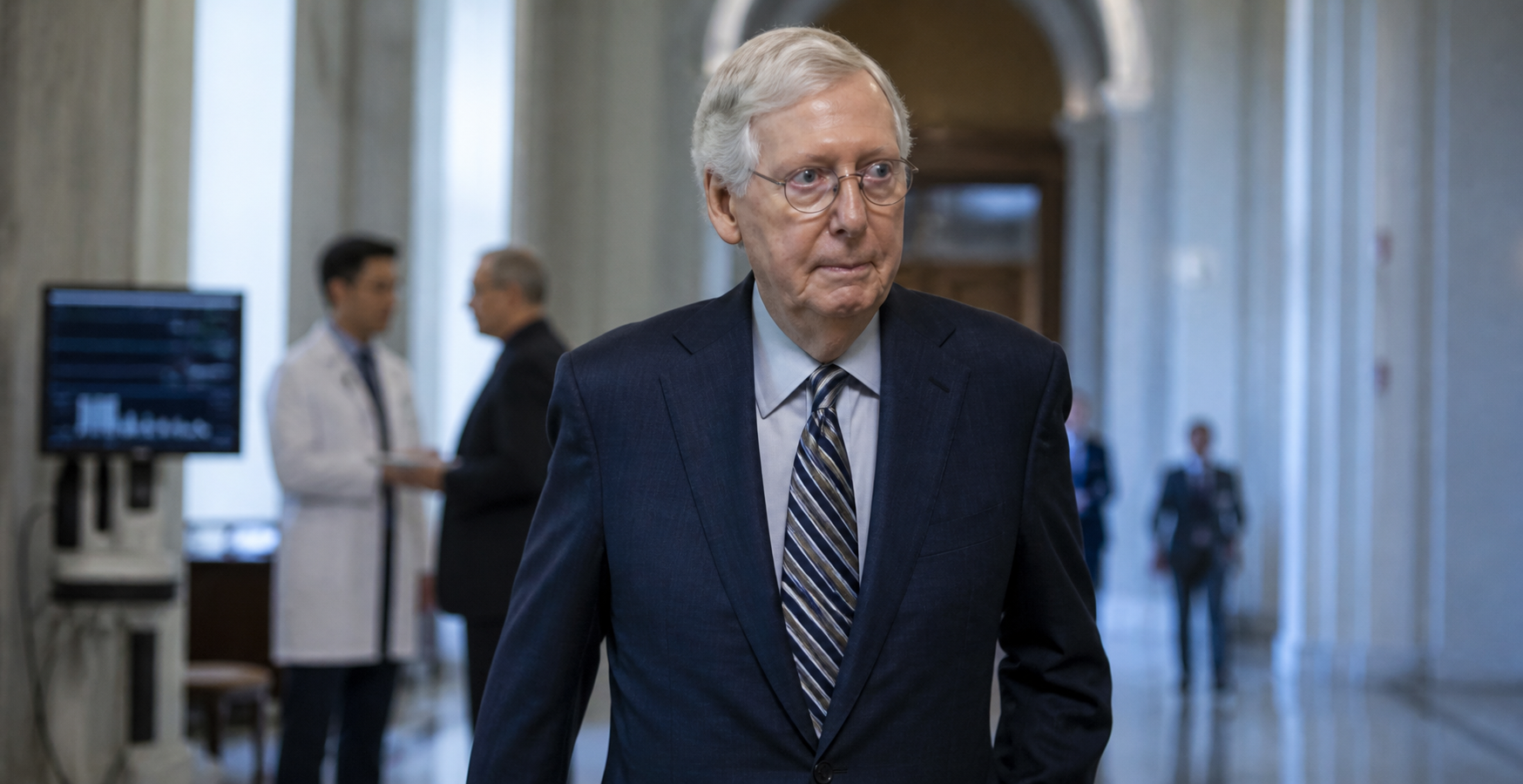
The health of Senate Minority Leader Mitch McConnell has once again become a topic of urgent national conversation. With recent news highlighting moments where McConnell appeared to freeze in public, questions are swirling about the future of Senate leadership and how health concerns impact governance at the highest levels. This isn’t just a personal issue; it touches the heart of how our political system handles aging, continuity, and transparency.
I find this particularly fascinating because the public response isn’t just about one man—it’s about trust, succession planning, and the evolving standards for accountability in U.S. politics. As election cycles heat up and political polarization grows, what happens to a leader like McConnell has ripple effects across parties and policies.
Key Takeaways
- Mitch McConnell, Senate Minority Leader, has faced several high-profile health incidents over the past year.
- His moments of freezing and medical absences have reignited debates about aging politicians and leadership fitness.
- Kentucky Governor Andy Beshear’s role could be pivotal if McConnell can no longer serve.
- This issue highlights larger questions about political transparency and succession procedures within the Senate.
- Public concern is elevated given McConnell’s decades-long influence on national policy and the Republican Party.
What's Happening
Recent video clips and news headlines have shown Mitch McConnell freezing or appearing unresponsive during press events. These incidents, along with his previously reported falls and hospitalizations, have prompted scrutiny from both the media and fellow lawmakers. The Capitol physician attributed his episodes to dehydration and recovery from a concussion, but the general public has remained uneasy.
McConnell, 82, is one of the most experienced political figures in Washington, having served as the Republican leader in the Senate since 2007. Despite his recent health scares, he has insisted he will finish his term, which lasts through 2026. However, the recurrence of these incidents has spotlighted broader questions about the health of aging leaders across both parties.
If McConnell were to step down or become unable to serve, Kentucky's Democratic Governor Andy Beshear could play a decisive role in appointing a temporary replacement. Given Kentucky law and state politics, this scenario has drawn particular attention as a collision point between state and national interests.
- McConnell's visible health issues have sparked both concern and criticism regarding age and fitness in leadership.
- Media coverage has focused on the seriousness of Senate succession rules and the potential implications for Republican balance.
- Kentucky law gives Governor Beshear temporary appointment authority, though there are ongoing legal debates about restrictions on his choices.
Why This Matters
The health of a high-ranking leader like Mitch McConnell affects not just one chamber of government, but the entire machinery of U.S. politics. As Senate Minority Leader, McConnell has significant influence over which bills reach the floor, the pace of appointments, and negotiations with the White House. Any change in leadership can alter legislative priorities and reshape political alliances overnight.
Moreover, this scenario raises powerful questions about transparency around politicians’ health—a recurring issue with leaders of both major parties. For voters and policymakers alike, clarity about health and succession protocols is essential for maintaining public confidence in government continuity. Kentucky’s unique succession process adds another layer of intrigue and urgency to the ongoing debate.
Different Perspectives
Supporters’ View
Supporters of McConnell argue that his experience and institutional memory are irreplaceable assets to the Senate. They see his health incidents as isolated medical events, not serious enough to require resignation. Many point to his quick return to work after incidents as proof of his ongoing capability.
Critics’ Concern
Critics contend that McConnell’s visible struggles demonstrate the risks of allowing elderly politicians to hold key positions without regular, transparent health disclosures. They see a need for systemic reform to ensure leadership roles can be filled swiftly and effectively when health becomes a barrier.
Public Sentiment
The public is divided: some feel empathy and trust McConnell’s own statements, while others express frustration at perceived secrecy or fear about the impact of sudden leadership vacuums. The conversation also fuels debates about generational change in politics more broadly.