
Introduction
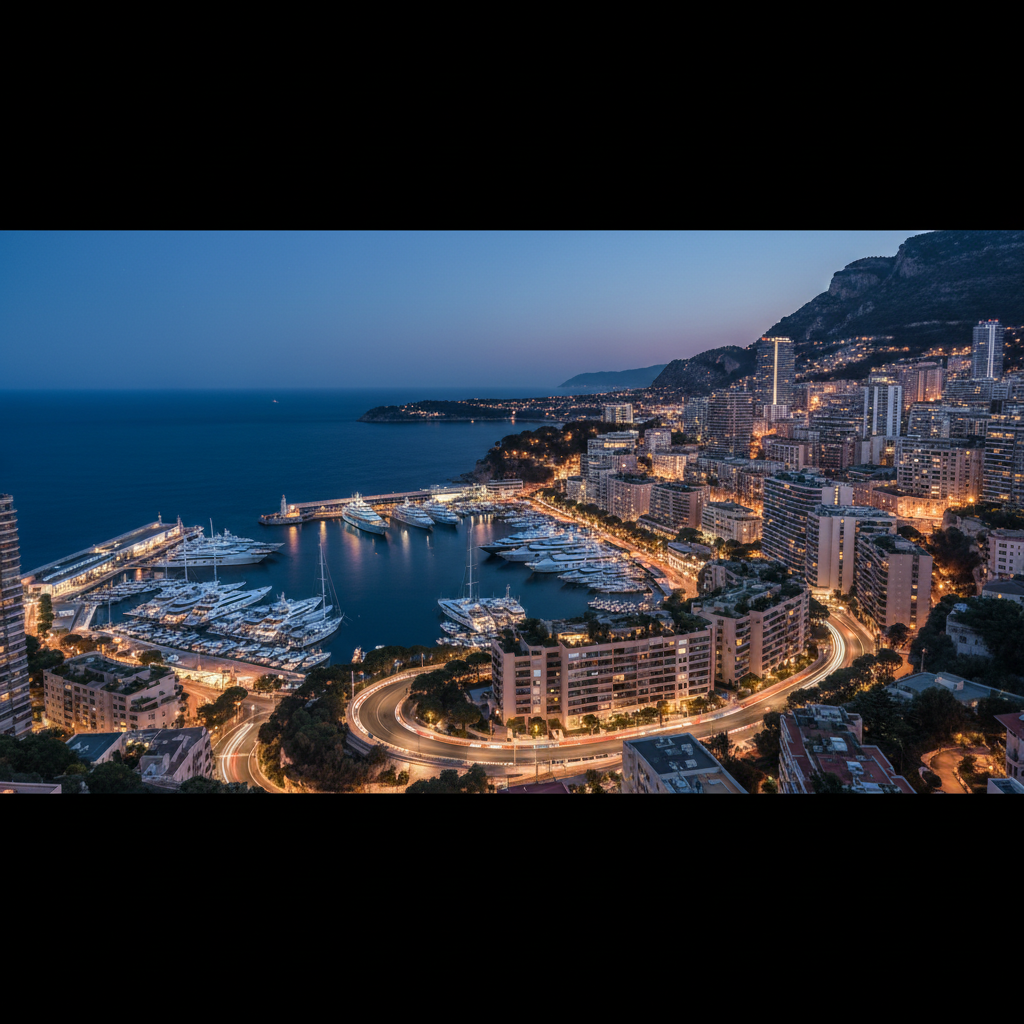
What makes Monaco, the tiny yet glittering city-state, such an enduring symbol of both opulence and innovation? In recent years, Monaco is trending beyond its famed Formula 1 Grand Prix and yacht-filled harbor, captivating global attention for its unique blend of luxury living, environmental ambitions, and economic contrasts.
I find the fascination with Monaco goes far beyond its size. As the world’s second-smallest country, it’s become a lens through which we can observe elite lifestyles, tax debates, and inventive sustainability efforts all at once. Let’s dig into why Monaco is making headlines—and why what happens here might shape conversations far beyond the Riviera.
What's Happening
Monaco continues to draw the world’s elite, but there’s fresh momentum around urban development, green innovation, and social divides. Here’s what’s unfolding:
- Wealth Magnet: Monaco is home to more millionaires per capita than any other place, fueled by its status as a tax haven and playground for the super-rich.
- Massive Events: The Monaco Grand Prix and the Monaco Yacht Show remain annual spectacles, but 2024 saw renewed scrutiny of their environmental impact and local benefits.
- Environmental Innovation: The government launched ambitious sustainability projects, including eco-friendly urban extensions like Portier Cove, and strict marine conservation policies.
- Economic Disparity: Despite the glitz, local workers and residents face soaring living costs—raising new discussions about class, housing, and Monaco’s identity.
- Renewed geopolitical interest: Monaco’s real estate market attracts scrutiny from European regulators, concerned about transparency and economic influence.
Luxury, exclusivity, and forward-thinking urban planning all intersect here, creating a crossroads of opportunity and challenge.
Why This Matters
The world watches Monaco not just for glamour, but as a microcosm of global contrasts. Its policies on taxation, urban planning, and luxury tourism often set precedents for other high-profile cities and regions.
As climate goals become urgent, Monaco’s green initiatives are testbeds for dense, wealthy urban areas worldwide. Meanwhile, its rising socioeconomic tensions prompt wider debates on inequality—especially as more cities confront stark wealth gaps.
Additionally, with intense scrutiny on where the wealthy shelter assets, Monaco’s approach to finance and transparency will influence regulatory trends far beyond its borders.
Different Perspectives
The Optimist
Supporters argue Monaco’s bold sustainability projects—especially its land reclamation and marine protection—show how wealth can advance environmental progress. The city-state, they say, is proof that small places can think big.



