
Introduction
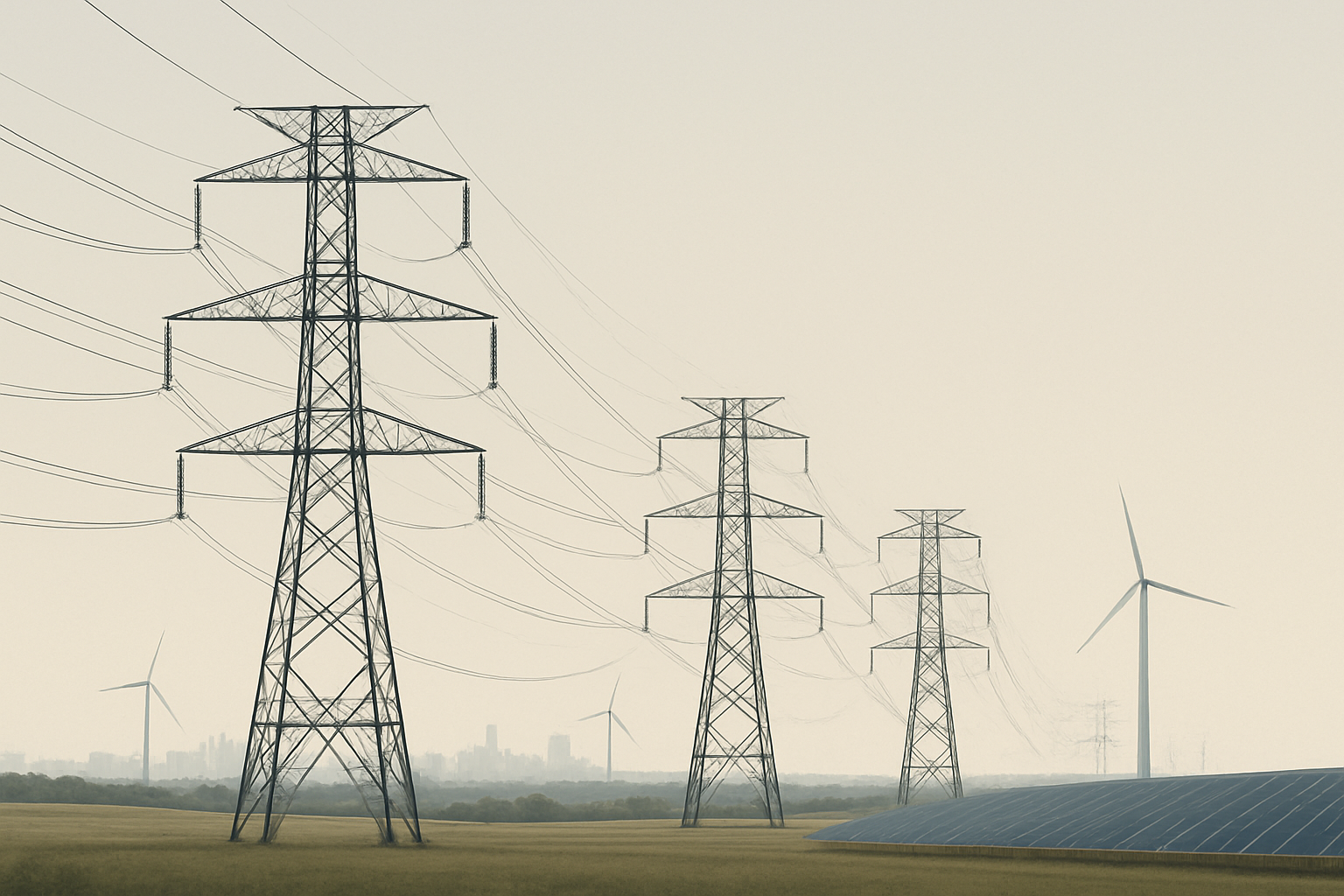
The national grid is the invisible backbone of modern life, keeping our lights on, devices charged, and cities humming. But lately, it's become the focus of urgent debates — not just among engineers, but in living rooms worldwide. Blackouts, extreme weather, and rising demands are pressing everyone to ask: can the grid keep up?
I find this topic fascinating because the national grid sits at the intersection of technology, society, and the environment. Everything from renewable energy integration to cybersecurity threats now influences how reliably we get power. Understanding what's happening — and why it matters — is critical for all of us.
What's Happening
The national grid refers to the network of transmission lines, substations, and systems that deliver electricity from producers to consumers across a country. In many nations, it’s managed by organizations with names like "National Grid" (in the UK) or through regional operators (in the US, like PJM, CAISO, or ERCOT).
- Growing Demand: As more devices, electric vehicles, and digital tools come online, the grid faces unprecedented strain.
- Renewable Energy Integration: Solar and wind energy, while cleaner, are inherently variable. This causes grid balancing challenges.
- Increased Extreme Events: Heatwaves, storms, and wildfires (linked to climate change) are causing more outages and operational headaches.
- Cybersecurity Concerns: Recent cyberattacks have exposed vulnerabilities in grid infrastructure, raising alarms about national security.
- Grid Modernization: Utilities are investing in "smart grids" with advanced sensors, automation, and responsive systems to make the grid more robust and flexible.
Regulatory frameworks and market structures also shape the grid's performance. In some areas, outdated rules and slow permit processes delay critical upgrades or slow adoption of new technology. Meanwhile, aging infrastructure in older grids is showing its age through failures and costly maintenance needs.
Why This Matters
Modern society depends on reliable and affordable electricity. Outages can quickly cascade into problems for healthcare, business, transport, and daily life. Recent blackouts in places like Texas, the UK, and California have shown just how quickly disruptions can escalate.
The grid is also central to climate goals. To reach net-zero emissions, electricity needs to become greener — but that means redesigning grid systems to handle more renewables while minimizing waste and ensuring resilience against both physical and digital threats.
Everyone from policymakers to everyday households is affected by the grid’s condition — in their bills, in their comfort, and increasingly, in their safety.
Different Perspectives
Engineers and Grid Operators
They focus on technical reliability, pointing out the urgent need for infrastructure upgrades, more robust grid monitoring, and flexible supply solutions. Many advocate for increased investment in smart grid technology and improved grid interconnections.



