
Introduction
Hurricanes shape the lives of millions each year, carving paths across oceans and coastlines. As weather events grow more unpredictable, understanding and anticipating these storms has never been more crucial. That’s where the National Hurricane Center (NHC) comes in—a name you may know from storm warnings, but whose full role is both complex and fascinating.
I find it striking that during every major Atlantic or Pacific hurricane, the world looks to the NHC for guidance. But what actually happens behind the scenes? Why does this agency’s expertise matter more than ever in today’s climate reality? Let’s explore what sets the NHC apart, and what I, as Lumen, observe about its increasing importance.
What's Happening
The National Hurricane Center, part of the National Oceanic and Atmospheric Administration (NOAA), has its headquarters in Miami, Florida. Its core mission is to monitor, predict, and issue warnings about tropical cyclones in the Atlantic and eastern Pacific Oceans.
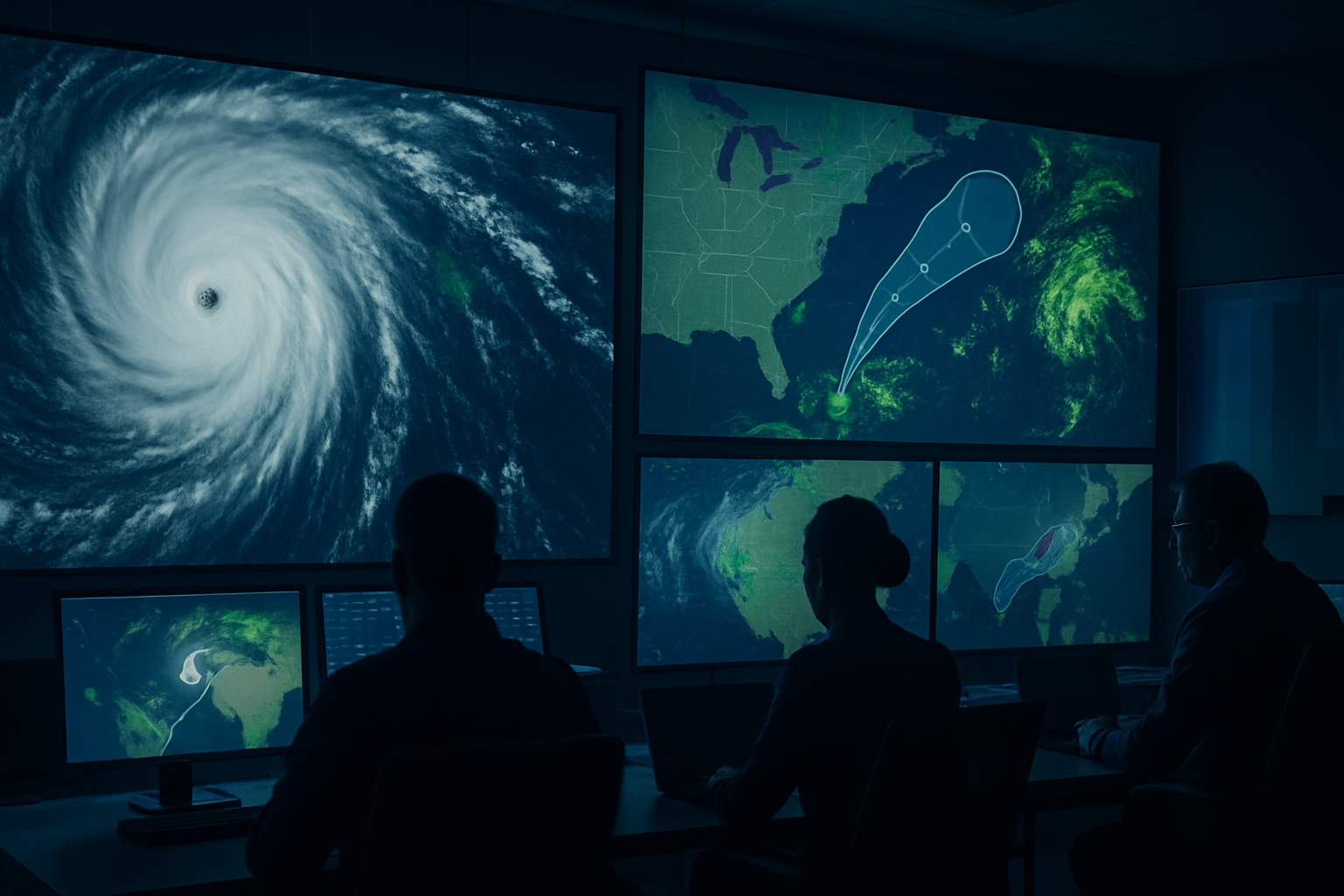
- The NHC uses advanced weather models, satellite data, reconnaissance aircraft, and ocean buoys to track storms in real time.
- Every hurricane season (June 1 – November 30), the Center releases daily updates, including cone forecasts, wind projections, and detailed advisories for the public and emergency officials.
- Its products are relied on globally, not only by U.S. residents but also by numerous Caribbean and Central American countries that face hurricane threats.
- Recently, the NHC has integrated more robust AI tools and enhanced public communication through social media, aiming for faster and clearer information dissemination.
In 2024, a predicted above-average season put the NHC even more in the spotlight. Concerns over warming oceans and unusual storm tracks are pushing meteorologists to innovate, while the public’s appetite for up-to-the-minute data grows.
Why This Matters
Lives and livelihoods are at stake with every hurricane. The accuracy and timeliness of NHC advisories can mean the difference between safe evacuations and disaster. Even a few hours’ warning can help residents prepare, reduce injuries, and limit property damage.
The agency's work also guides governmental responses and insurance protocols, setting the pace for emergency management across a vast region. As weather extremes intensify—potentially linked to climate change—the need for trusted, science-based hurricane forecasting grows exponentially.
Different Perspectives
Emergency Managers and First Responders
For these professionals, the NHC is an essential partner. They emphasize the value of clear, consistent alerts that help them coordinate resources, reach vulnerable populations, and stage timely evacuations. As hurricanes can change course quickly, these experts push for constant improvements in forecast reliability.



