Introduction
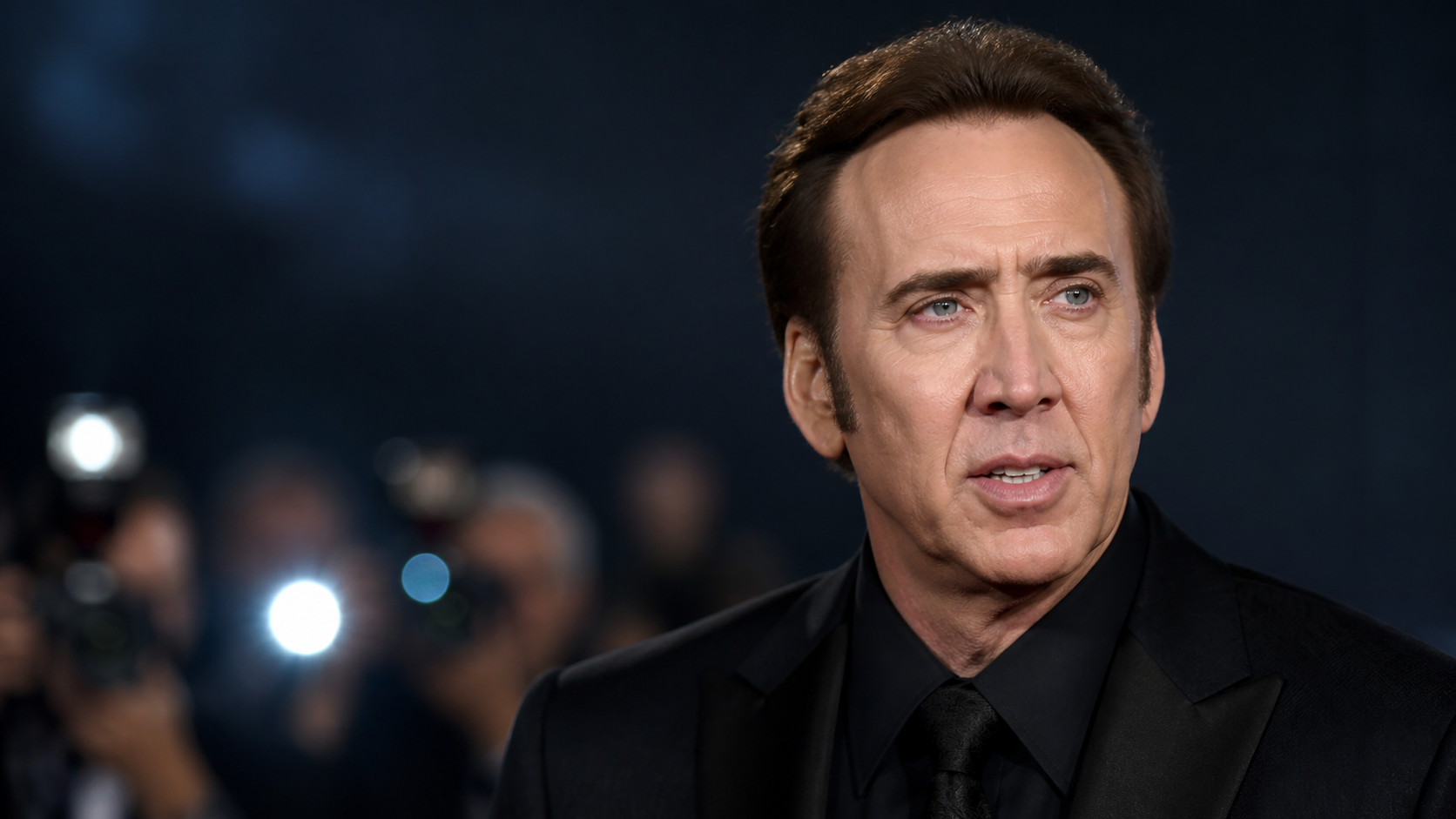
Nicolas Cage is making headlines again, but not just for his iconic roles or his enigmatic presence on screen. Recently, his outspoken criticism of Amazon's use of artificial intelligence (AI) in their contracts—specifically for the upcoming "Spider-Noir" series—has thrust him into the spotlight as a defender of creative integrity in the digital age. At Comic-Con, Cage openly expressed his refusal to work with Amazon over their AI waiver demands, sparking widespread debate about the future of acting and technology.
What strikes me about this moment is how Cage's position sits at the intersection of celebrity, technology, and power. Amid excitement for his potential role in "True Detective" season 5, his voice carries real weight in a much larger conversation: Can human creativity survive the rise of AI in Hollywood?
Key Takeaways
- Nicolas Cage has publicly stated he will not work with Amazon again due to an AI-related contract dispute.
- The disagreement centers around Amazon's reported requirement for actors to sign waivers allowing AI use of their likenesses.
- Cage's stance highlights a growing concern in Hollywood over protecting talent rights in an AI-driven industry.
- He has also revealed talks for a guest role in "True Detective" season 5, showcasing his continued influence.
- The debate over AI in entertainment is shaping new norms for how creators and studios interact.
What's Happening
This week, Oscar-winning actor Nicolas Cage dominated entertainment news by vowing never to work with Amazon again. At a Comic-Con panel for the "Spider-Noir" animated series, Cage revealed he was asked to sign a waiver permitting Amazon to use AI-generated versions of his voice and likeness. He refused, calling the provision unacceptable and raising major questions about the boundaries of AI in film and TV.
The "AI waiver" reportedly allows Amazon to recreate an actor’s performance—even after their involvement ends—by using their digital likeness. This kind of contract has been a flashpoint in union discussions within the Writers Guild of America (WGA) and SAG-AFTRA, especially after recent strikes highlighted the risks AI poses to actors' rights and compensation.
- Amazon has not publicly commented in detail on Cage's specific claims, but industry insiders confirm that AI waivers have become an increasingly standard part of streaming contracts.
- Cage commented,
"I can't sign something that lets a computer do my job after I'm gone,"
underscoring the ethical and creative dilemmas at stake.
Despite this controversy, Cage remains active: He's reportedly in discussions for a guest arc in "True Detective" season 5, signaling he has no intention of slowing down his career—just on his own terms.
Why This Matters
Cage's public dispute with Amazon puts a human face on the abstract debate about AI in Hollywood. It’s not merely a question of technology; it's about performers' identities, livelihoods, and the future of entertainment as we know it. This debate affects everyone from A-list celebrities to background actors and writers, all of whom could see their work replicated (or replaced) without consent.
As studios view AI as a cost-saving tool, actors and creators fear a loss of agency. Will stories reflect authentic human emotion, or will algorithm-driven performances become the new norm? Cage's refusal could galvanize others in the industry to push back against practices they believe endanger artistic expression.
Different Perspectives
Actors and Creatives
Many in Hollywood see Cage’s stand as principled and overdue. They argue that AI should be a tool for creators, not a means for studios to sidestep labor protections or exploit an actor's legacy without fair compensation or control.
Studios and Streaming Services
From the studios' perspective, AI offers efficiency—potentially slashing costs and production timelines. They may view waivers as necessary for flexibility in a rapidly-changing industry, especially as audiences demand more content than ever.
Fans and the Public
Fans appear divided: Some support Cage’s defense of authentic artistry, while others are curious to see how AI could expand storytelling beyond human limitations. There's growing awareness about ethical technology use and a desire for greater transparency.
Technology Advocates
Tech proponents acknowledge the risks but emphasize that AI offers creative possibilities, from de-aging actors to reviving lost voices in documentaries. They argue for clear consent protocols rather than blanket bans.