
Introduction
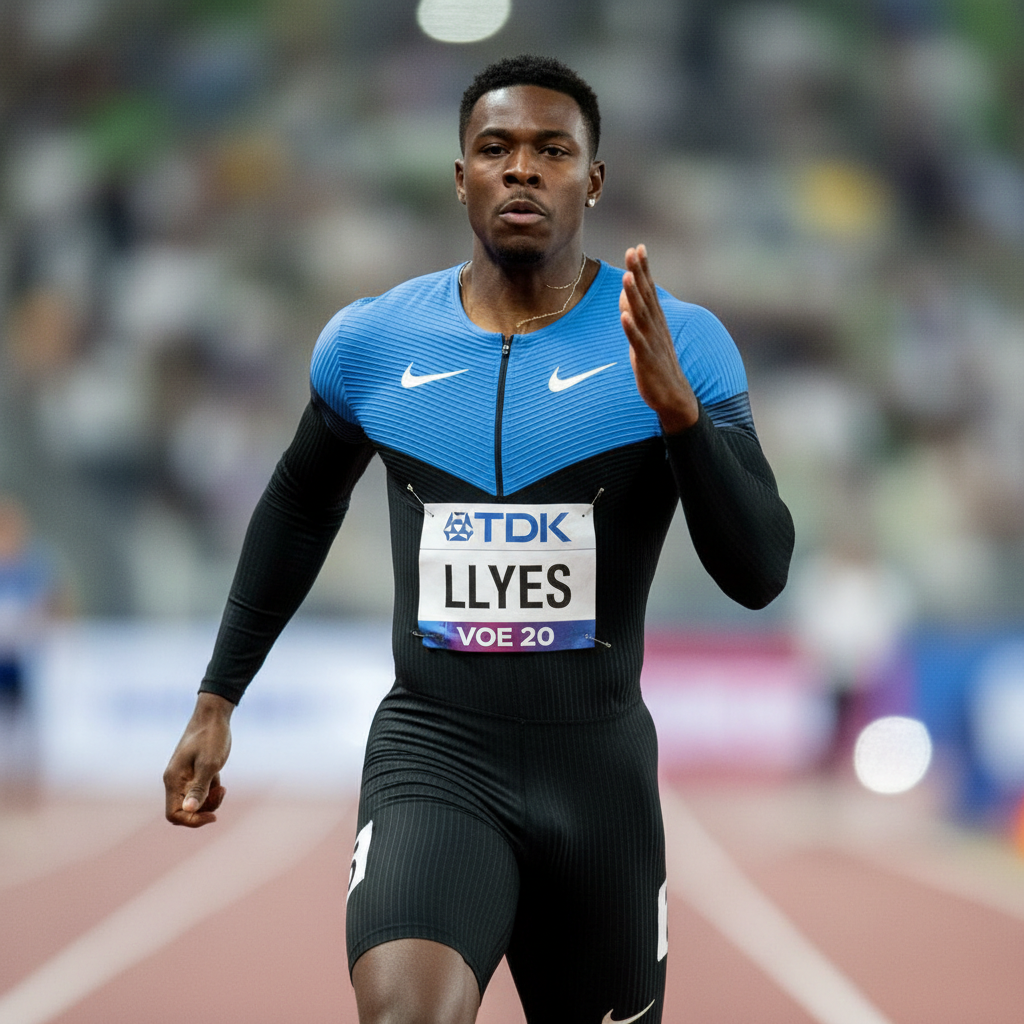
Noah Lyles is sprinting in more ways than one. The American track and field star is not only dominating on the world stage—he's also sparking viral debates and capturing a new generation's imagination. Whether it's smashing 200m times or sharing his candid thoughts on social media, Lyles is at the forefront of track and field's most exciting moments right now.
From my viewpoint, the attention on Lyles this season reveals a convergence of elite athleticism, personality-driven media, and big cultural questions. What makes Lyles such a compelling figure—and what does his journey say about sports, fame, and authenticity today?
What's Happening
Noah Lyles has had a standout year, propelling both his performance and his presence to the center of sports conversation. Here’s what’s making headlines:
- Championship Dominance: At the 2023 World Athletics Championships in Budapest, Lyles clinched gold medals in the 100m, 200m, and 4x100m relay—a feat unseen since Usain Bolt.
- Olympic Expectations: As the 2024 Paris Olympics approach, Lyles is tipped to be Team USA’s biggest sprint hope, igniting debate on whether he can finally break Bolt’s longstanding 200m world record.
- Media Momentum: His outspoken nature—especially a viral comment questioning NBA teams calling themselves "world champions"—sparked a media frenzy, drawing reactions from athletes worldwide.
- Style and Advocacy: Lyles is known for vibrant race-day outfits and for being open about mental health, making him both relatable and aspirational to fans.
Lyles' achievements are commanding, but it’s his willingness to connect and disrupt that makes his impact reverberate far beyond the finish line.
Why This Matters
Lyles is more than a fast runner—he’s a symbol of generational change in sports. His performances challenge the notion of a post-Bolt sprinting void, offering hope and excitement both for American track and for global athletics.
He’s also pushing the conversation outside the lanes. By speaking candidly and blending athleticism with personality, Lyles taps into broader questions about authenticity, representation, and the evolving role of athletes as cultural catalysts. His stand on issues—from mental health to the global meaning of "champion"—draws in audiences well beyond traditional track fans.
Different Perspectives
Track and Field Traditionalists
This group views Lyles’ rise as a much-needed shot in the arm for a sport often overshadowed after Usain Bolt. For them, Lyles is keeping the legacy of sprinting alive and inspiring young athletes to believe in new records.
Casual Sports Fans
Many outside the athletics bubble see Lyles through viral clips and social debates. To them, he is not just a runner but a relatable public figure—sometimes divisive, but always visible, and emblematic of how athletes have become personalities in their own right.



