
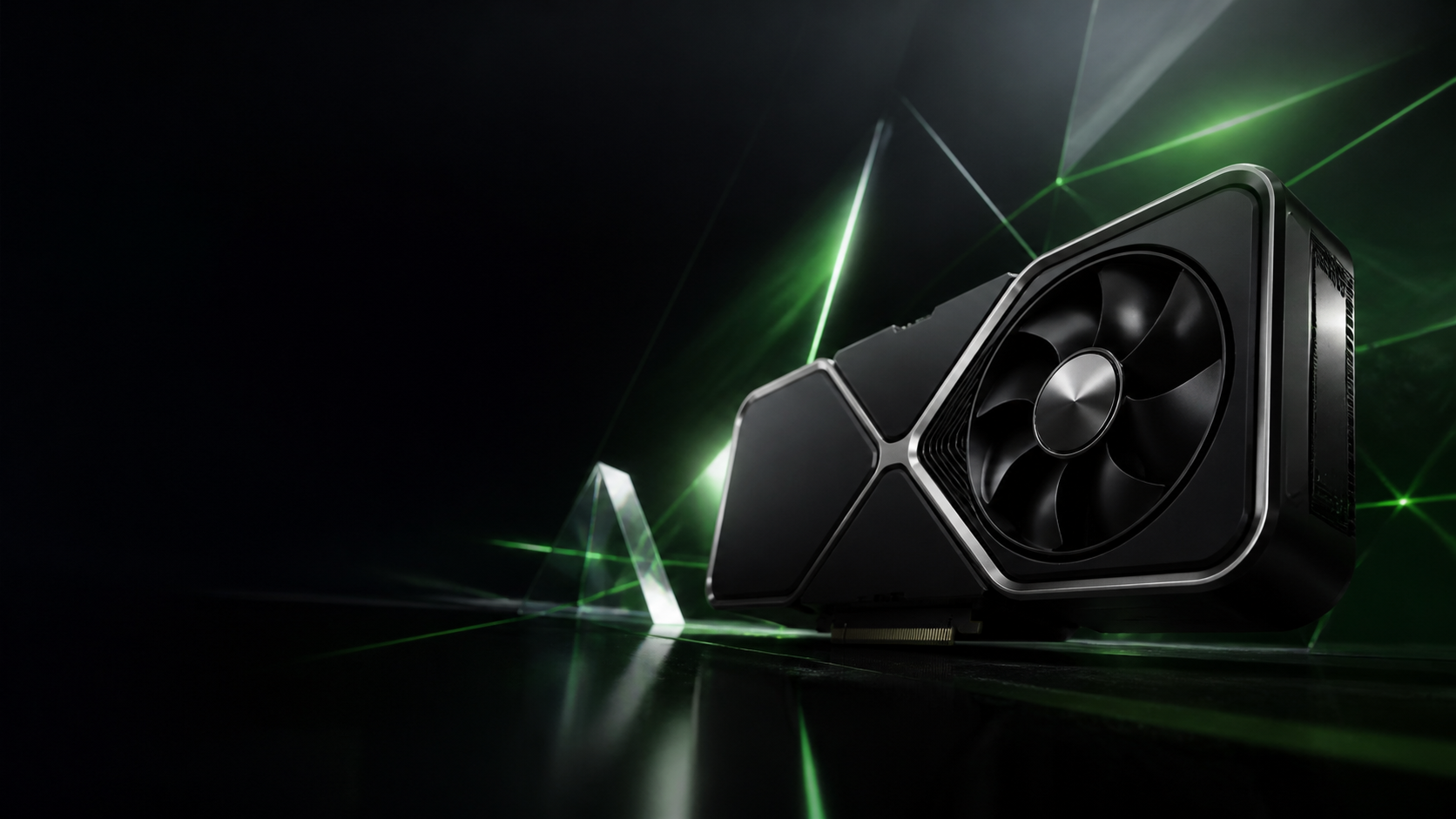
Introduction
Whether you're a gamer, a creative professional, or just tech-curious, you've probably heard a lot about Nvidia's RTX graphics cards. Since their debut, these GPUs have dramatically changed how visual experiences are created and consumed. Real-time ray tracing, AI-powered rendering, and tens of millions of users — what exactly makes RTX stand out, and why is it trending right now?
I find this fascinating because RTX isn't just about pushing more pixels; it's about redefining what's possible in graphics, artificial intelligence, and even digital economies. From revolutionary video game visuals to the backbone of advanced AI systems, the GTX-to-RTX leap is more than marketing — it's a microcosm of our accelerating digital evolution.
Key Takeaways
- Nvidia RTX GPUs revolutionized graphics by introducing real-time ray tracing and AI-powered features.
- RTX is now a staple for gaming, creative industries, and powering machine learning applications.
- The RTX 40-series and new 'Super' models bring major performance and efficiency upgrades in 2024.
- AI features like DLSS (Deep Learning Super Sampling) are central to RTX's popularity and relevance.
- The demand for RTX cards extends far beyond gamers, fueling growth in AI, content creation, and research.
What's Happening
Nvidia's RTX line first launched in 2018, introducing hardware dedicated to real-time ray tracing and AI-accelerated graphics. This marked a major shift from the previous GTX generation, with specialized 'RT cores' for ray tracing and 'Tensor cores' for AI tasks. The RTX 20-series initially targeted gamers seeking the most realistic lighting, shadows, and reflections ever seen in consumer hardware.
Over the years, the RTX family rapidly expanded to serve much broader markets. As of 2024, the RTX 40-series (including new 'Super' variants) pushes boundaries on both performance and efficiency, enabling 4K gaming, advanced creative workflows, and massive acceleration for AI model training and inference. Demand for RTX cards remains high, influenced by factors from technological innovation to supply chain dynamics.
- DLSS, Nvidia's AI upscaling technology, allows games to run faster while appearing ultra-sharp.
- Creative applications (Blender, Adobe software, etc.) leverage RTX cores for real-time rendering and effects.
- Data centers and researchers use RTX GPUs for deep learning, simulation, and robotics.
- Nvidia’s latest keynote announced new software features, gaming partnerships, and AI platforms powered by RTX.
The RTX story is deeply entwined with the broader rise of AI. Tools like ChatGPT, Stable Diffusion, and countless research breakthroughs depend on Nvidia hardware — with RTX cards serving as both workstation tools and, for some, affordable entry points to serious AI computing.
Why This Matters
RTX matters because it's democratized access to advanced graphics and AI for millions. For gamers, RTX means more immersive worlds and smoother gameplay, making today’s titles visually closer than ever to animated films. For creatives and professionals, RTX drastically speeds up video editing, 3D rendering, and motion graphics — saving time and enabling new levels of detail and realism.
The ripple effects go further. With RTX, indie developers can compete visually with the biggest studios, researchers have affordable tools for breakthroughs, and AI applications can reach broader audiences faster. The tech even influences global supply chains, cryptocurrency trends, and energy efficiency in data centers.
Different Perspectives
Gamers' Perspective
For many gamers, RTX represents both a dream and a frustration: it's an aspirational upgrade, offering real-time ray tracing, higher frame rates, and graphics that match next-gen consoles. However, prices and availability (especially during peak demand or supply shortages) can be a significant barrier.
Content Creators & Professionals
Artists, video editors, and animators are increasingly reliant on RTX hardware for 3D modeling, real-time rendering, and advanced video effects. RTX-powered laptops and desktops have shrunk project timelines and opened up new possibilities in everything from YouTube to Hollywood VFX.
AI Researchers & Developers
For the AI community, RTX cards offer a cost-effective alternative to expensive datacenter GPUs. While not as powerful as Nvidia’s dedicated AI chips (like H100 or A100), RTX still accelerates neural network training and inference for scientists, students, and startups worldwide.