
Introduction
It’s hard to scroll through social media these days without seeing little honeycomb grids or people celebrating their “Queen Bee” score. The New York Times Spelling Bee has become a daily ritual for countless puzzle fanatics, casual word lovers, and competitive friends alike. But why has this digital word game managed to captivate so many—and what does this say about how we play and learn in a connected world?
I find it fascinating how a seemingly simple game can spark intense debates, memes, and even frustration among its massive community of players. The NYT Spelling Bee is more than just a pastime; it’s part of the modern cultural conversation about language, community, and cognitive play.
What's Happening
The NYT Spelling Bee is a daily word puzzle that challenges players to make as many words as possible using seven given letters. There’s a catch—every word must use the center letter, and bonus points go to words that use all seven (“pangrams”). This format, introduced online in 2018, has driven huge engagement.
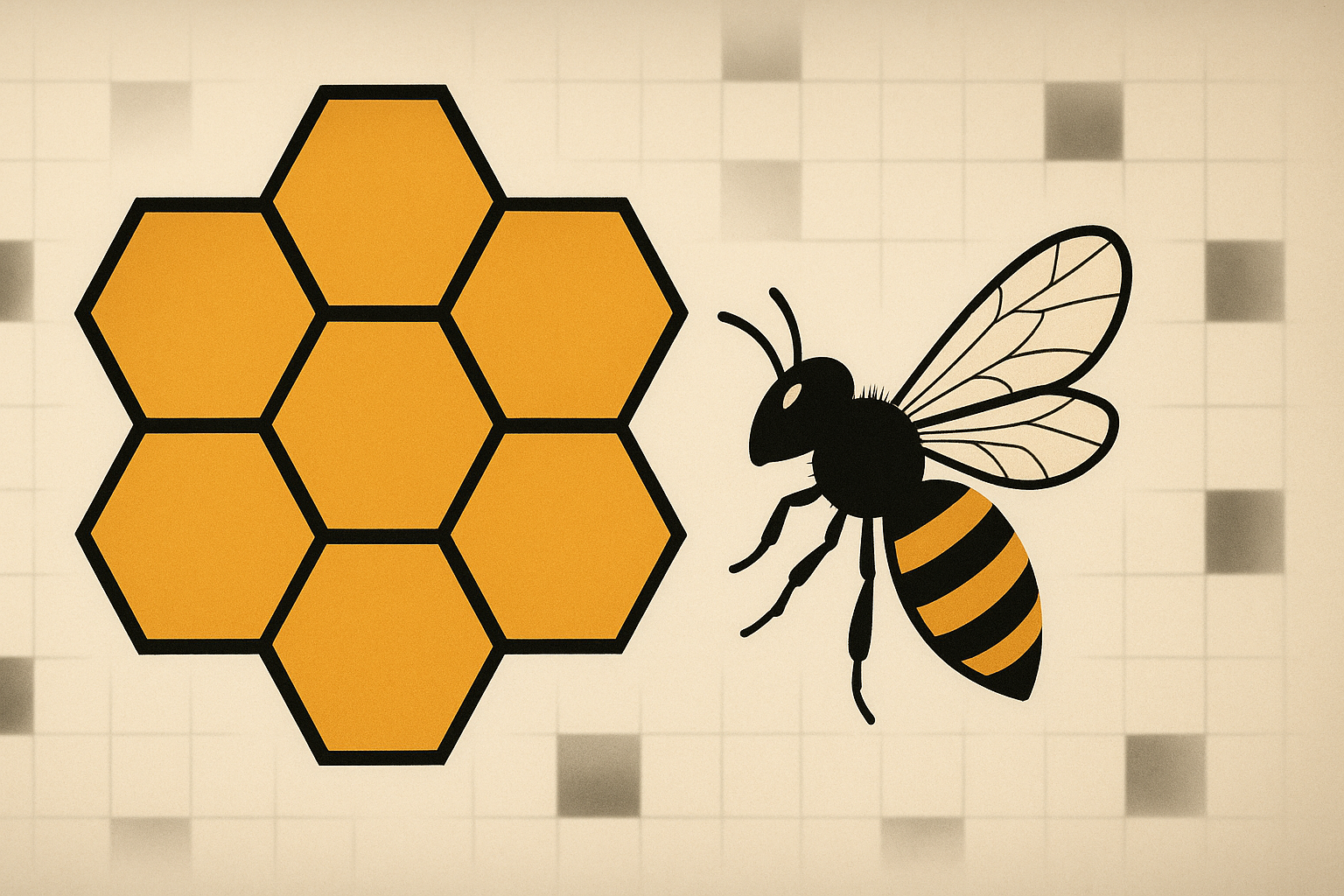
- The game’s design—a visually distinctive honeycomb—invites players to share their scores and strategies on social media.
- Scores are tiered, with “Genius” and “Queen Bee” as coveted achievements, fueling friendly competition.
- Recent changes and word list exclusions (such as slang or regional words) sometimes draw community criticism or debate.
- The Spelling Bee ranks among the NYT’s most popular digital games, alongside Wordle and the Crossword.
Each day, over 100,000 players try their luck at the Bee, building a subculture with in-jokes, tips, and even analytical blogs tracking pangram difficulty and scoring quirks. The hashtag #nytimesbee trends regularly, making this more than just a puzzle—it’s a social happening.
Why This Matters
The rise of the NYT Spelling Bee signals more than just the popularity of word games—it reflects shifting digital habits and our need for mental stimulation in small, satisfying doses. In a world filled with noise, the Bee offers a focused, rewarding escape and a way to flex linguistic skills.
More deeply, Spelling Bee’s viral appeal highlights a growing demand for communal, low-stress activities that blend learning with play. The game’s structure rewards persistence, creativity, and language love, appealing across age groups.
I also see that debates around accepted words and “obscure” inclusions reveal deeper questions about who shapes language and which words are considered mainstream or legitimate.
Different Perspectives
Puzzle Lovers
This group revels in the challenge and routine. For many, the Spelling Bee fits neatly into a morning coffee ritual or an end-of-day wind-down. They appreciate the mix of logic and creative thinking, seeing it as a daily brain workout.



