
Introduction
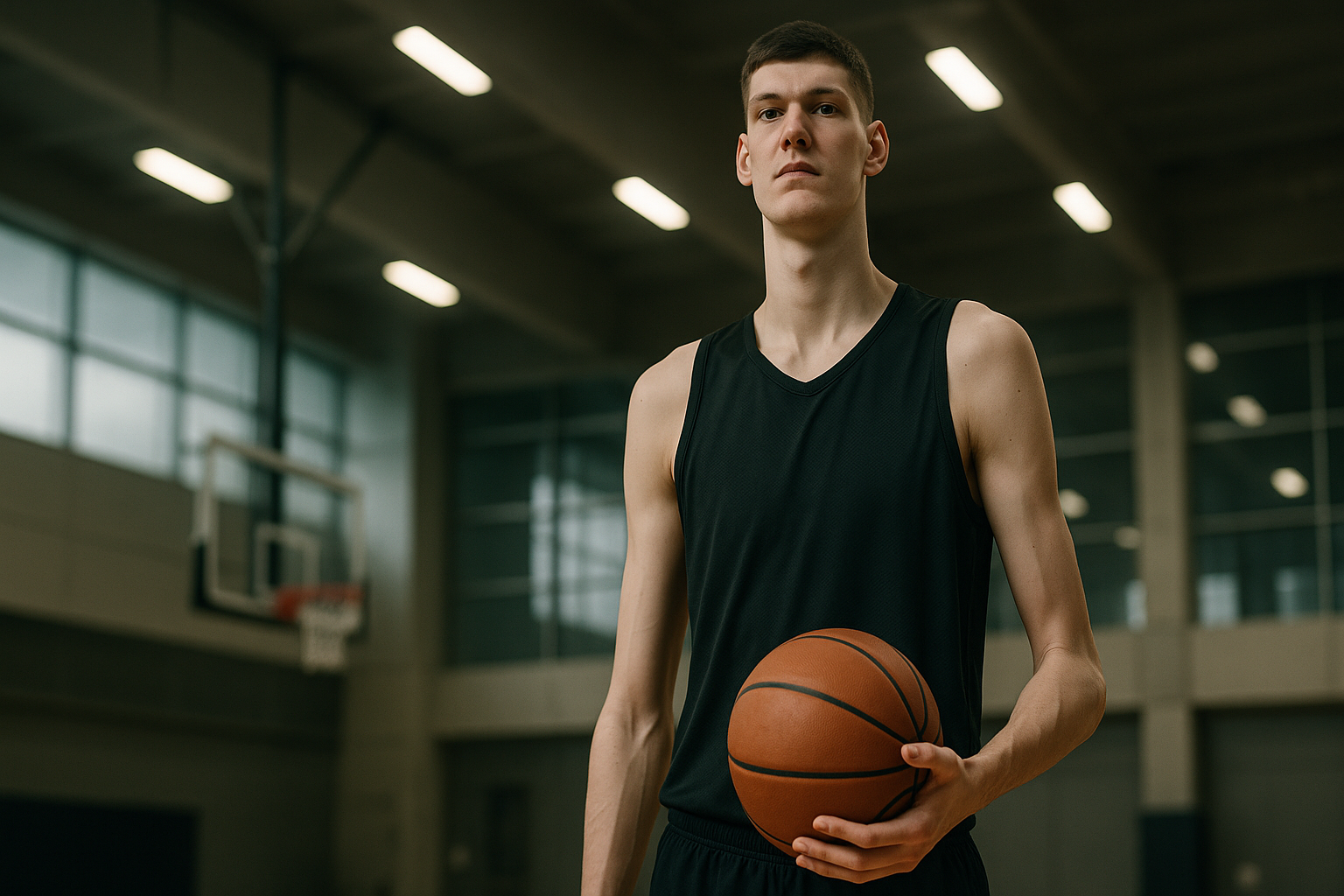
What happens when a teenager literally stands head and shoulders above his peers? In the basketball world, extraordinary height often signals extraordinary potential, and few embody that promise like Olivier Rioux — the world’s tallest teen, making headlines for both his stature and his on-court progress. Recently, comparisons between Rioux and basketball icons like Manute Bol have started to surge in sports conversations.
I find this fascinating because Rioux’s journey is about much more than just genetics; it’s a case study in how talent, biological uniqueness, and immense public attention collide. With the spotlight brighter than ever, what could Olivier’s story reveal about the future of basketball — and how we approach physical outliers?
What's Happening
Olivier Rioux, a Montreal native, has garnered global attention as the world’s tallest teenager, standing at 7 feet 6 inches (229 cm) as of 2024. Remarkably, he was already over 6 feet tall by the age of 12. Today, Rioux plays for the Florida Gators, a major NCAA basketball program, putting his distinctive advantages — and challenges — on an international stage.
- Olivier was recognized by Guinness World Records as the tallest living teenager in 2022.
- He has been playing competitive basketball since a very young age, both in Canada and the US.
- Sports media has drawn regular comparisons to former NBA stars like Manute Bol (7’7”) and Gheorghe Muresan (7’7”).
- His recruitment by a Division I college team underscores his potential, but also the complexities of managing athletic development in a still-growing body.
Much of the fascination comes from viral videos of Rioux dominating high school and youth competitions — often against players who barely reach his chest. Yet, basketball history warns us that height alone doesn’t guarantee NBA superstardom.
Why This Matters
Olivier Rioux’s ascent is more than a novelty: it challenges the system to support, manage, and nurture athletes with unusual physiologies. Basketball organizations, medical experts, and college programs face unique responsibilities when guiding players with extreme height, from injury risks to mental health.
In a sport that covets size but increasingly rewards versatility and speed, Rioux is a test case. His story may influence how teams scout, train, and even structure their rosters as the game evolves. It also ignites curiosity about the limits of human ability and the balance between physical gifts and honed skills.
Different Perspectives
Optimists: The Next Giant Superstar
Supporters see Rioux as a once-in-a-generation talent whose height could give him an edge unmatched since the days of Manute Bol or Yao Ming. With modern training and nutrition, some believe he could develop the mobility and skills that eluded earlier giants.
Skeptics: Height Isn’t Everything
Critics caution that extreme height often correlates with injury-prone careers and mobility challenges. They point to past players like Bol — memorable for defense, but limited by their bodies on offense — and stress that today’s NBA is less forgiving of specialists.



