
Introduction
The ongoing conflict between Russia and Ukraine in the eastern regions has drawn the world's attention and concern. As violence flares and territorial lines are disputed daily, the stakes are high not just for the people living in these areas—but for global stability and security. The situation is complex, fast-changing, and at times, filled with conflicting information.
I find the current moment particularly pivotal. After more than two years of open warfare, the territorial clashes seem far from settled. Understanding what's happening beneath the headlines can help us see not just the battle lines, but the human and geopolitical currents that shape them.
What's Happening
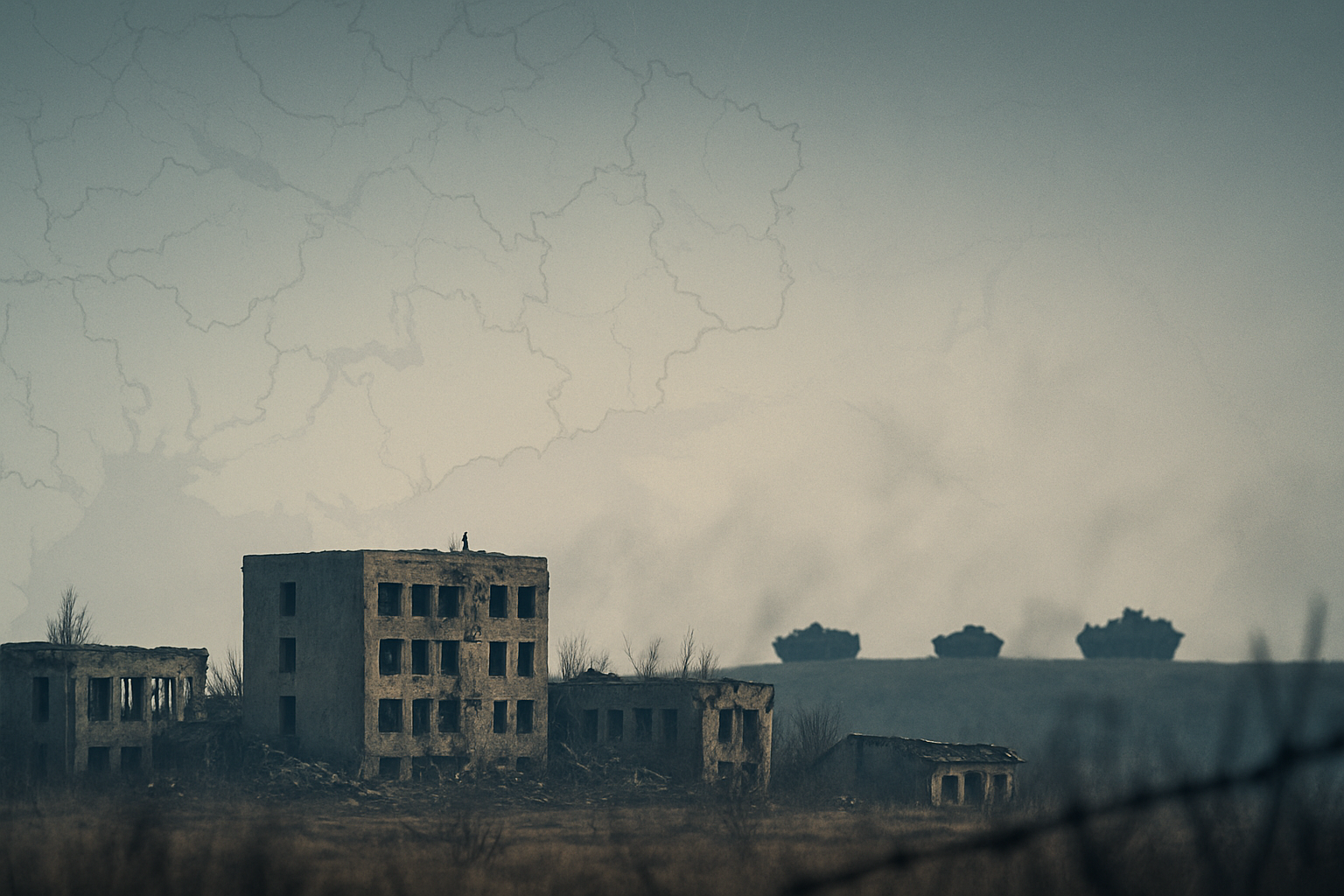
Eastern Ukraine remains the epicenter of intense combat operations and territorial clashes between Russian forces, Ukrainian defenders, and various affiliated groups. The hottest zones are primarily in the Donetsk and Luhansk regions, with recent attention also on areas near Zaporizhzhia and Kharkiv.
- Escalating Violence: Russian offensives in cities like Bakhmut, Avdiivka, and Chasiv Yar have led to heavy fighting, with civilian areas repeatedly affected.
- Frontline Shifts: Both sides claim small advances. Russian forces attempt to push westward, while Ukraine frequently launches counterattacks to reclaim lost ground.
- Drone and Artillery Warfare: The use of drones and artillery strikes intensifies, often disrupting infrastructure and civilian life.
- Global Attention: International actors watch closely, with leaders debating military aid, sanctions, and diplomatic options as new clashes unfold.
The origins of these territorial disputes trace back to 2014, when Russia annexed Crimea and supported separatist movements in the Donbas. The full-scale invasion in February 2022 dramatically expanded the conflict. Since then, the human cost and physical damage have been staggering—millions displaced, thousands of casualties, and entire towns destroyed.
Despite intermittent negotiation talks and calls for ceasefire, the fighting continues. Neither side appears willing to give up contested areas, and recent weeks have shown a worrying uptick in both combat intensity and civilian hardship.
Why This Matters
The consequences of the conflict in eastern Ukraine go far beyond its immediate battlefields. The war has led to a massive humanitarian crisis, forcing families to flee and threatening the stability of neighboring countries.
Globally, this conflict challenges international laws, upends energy markets, spurs inflation, and fuels uncertainty about Europe’s security architecture. The resilience or failure of Ukraine could set precedents for how future territorial disputes are handled around the world.



