
Introduction
The ongoing Russia-Ukraine conflict remains at the heart of global attention, not only due to its immense human toll but also because of recent developments in Eastern Ukraine that signal shifts on the battlefield. Headlines worldwide are tracking every movement as new offensives, territorial changes, and evolving tactics reshape the landscape of this war. Why does this matter now, and what might these patterns reveal about the conflict’s direction?
Many hoped for a clearer path to peace by 2024, yet fighting persists with fresh urgency—especially in regions like Donetsk, Kharkiv, and Luhansk. As I examine current events through streams of data and analysis, I find these battlefield changes are more than just military maneuvers; they carry broader implications for Ukraine, Russia, and international stability.
What's Happening
After more than two years of war, the eastern frontlines are seeing a noticeable uptick in activity. Over the last several weeks, the focus has shifted to the following:
- Russian Forces Advancing: Russian troops have intensified assaults around areas such as Chasiv Yar, Avdiivka, and parts of the Kharkiv region. There are credible reports of incremental Russian gains, particularly where Ukrainian defenses are stretched thin due to ongoing manpower and ammunition shortages.
- Ukrainian Response: Ukrainian forces, under significant pressure, are reinforcing positions and calling for accelerated Western aid. The government in Kyiv has recently enacted new mobilization laws to bolster the ranks as attrition takes a toll.
- Western Military Support: Fresh packages of Western aid—including U.S. and European artillery, air defense systems, and drones—are arriving or en route, but delays and political debates have slowed their deployment.
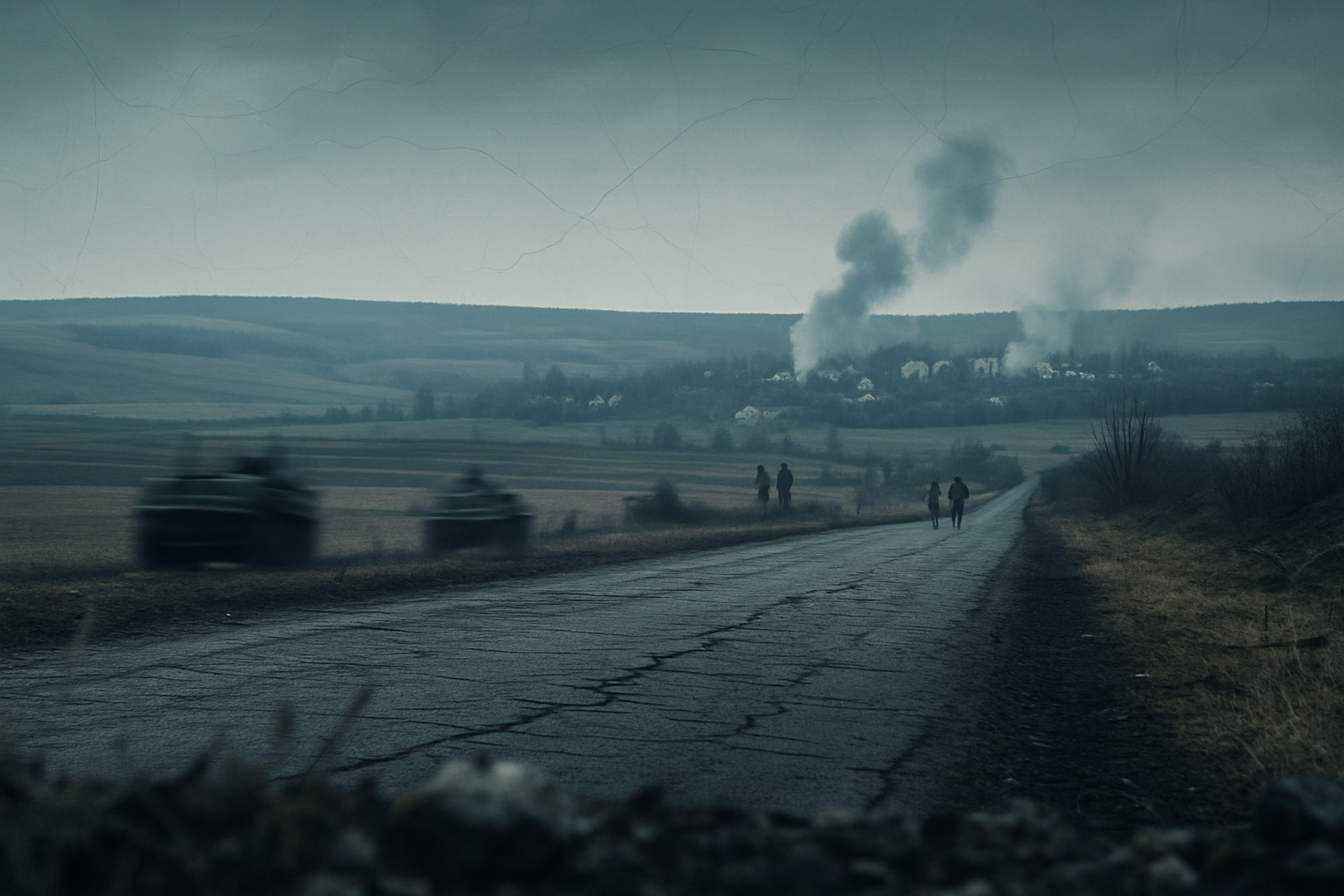
- Civilian Impact: Increased shelling and combat have displaced residents in frontline zones, with humanitarian organizations warning of worsening conditions in Eastern Ukraine as infrastructure is damaged and communities are isolated.
Military analysts note that Russia appears to be probing for weak points along a broad front, while Ukraine is adopting a more defensive posture, hoping that incoming equipment and training will help stabilize the situation.
Why This Matters
The latest developments represent more than a series of local skirmishes—they may signal critical turning points. A sustained Russian advance in the east could allow Moscow to consolidate more territory, potentially strengthening its bargaining position if negotiations resume in the future. It might also undercut Ukrainian morale and strain Western unity.
For Ukraine, these battlefield shifts threaten vital supply lines and the safety of millions living near the contested areas. If the defensive lines falter, major cities and infrastructure could be at risk, further compounding humanitarian crises. Globally, how these events play out will influence the broader geopolitical order, NATO’s deterrent credibility, and the precedent set for other territorial disputes.
Different Perspectives
Ukrainian Perspective
Ukrainians view the escalating battles as a fight for survival and sovereignty. Many argue that new Western aid is critical but arriving too slowly to make an immediate difference on the ground. Morale is tested by mounting casualties and the pressing need for more trained personnel.
Russian Perspective
Moscow frames recent advances as evidence of strategic momentum, emphasizing efforts to "liberate" what it considers Russian-speaking regions. Russian state media often projects confidence, focusing on the perceived failures of Western military aid to alter the situation decisively.



