
Introduction
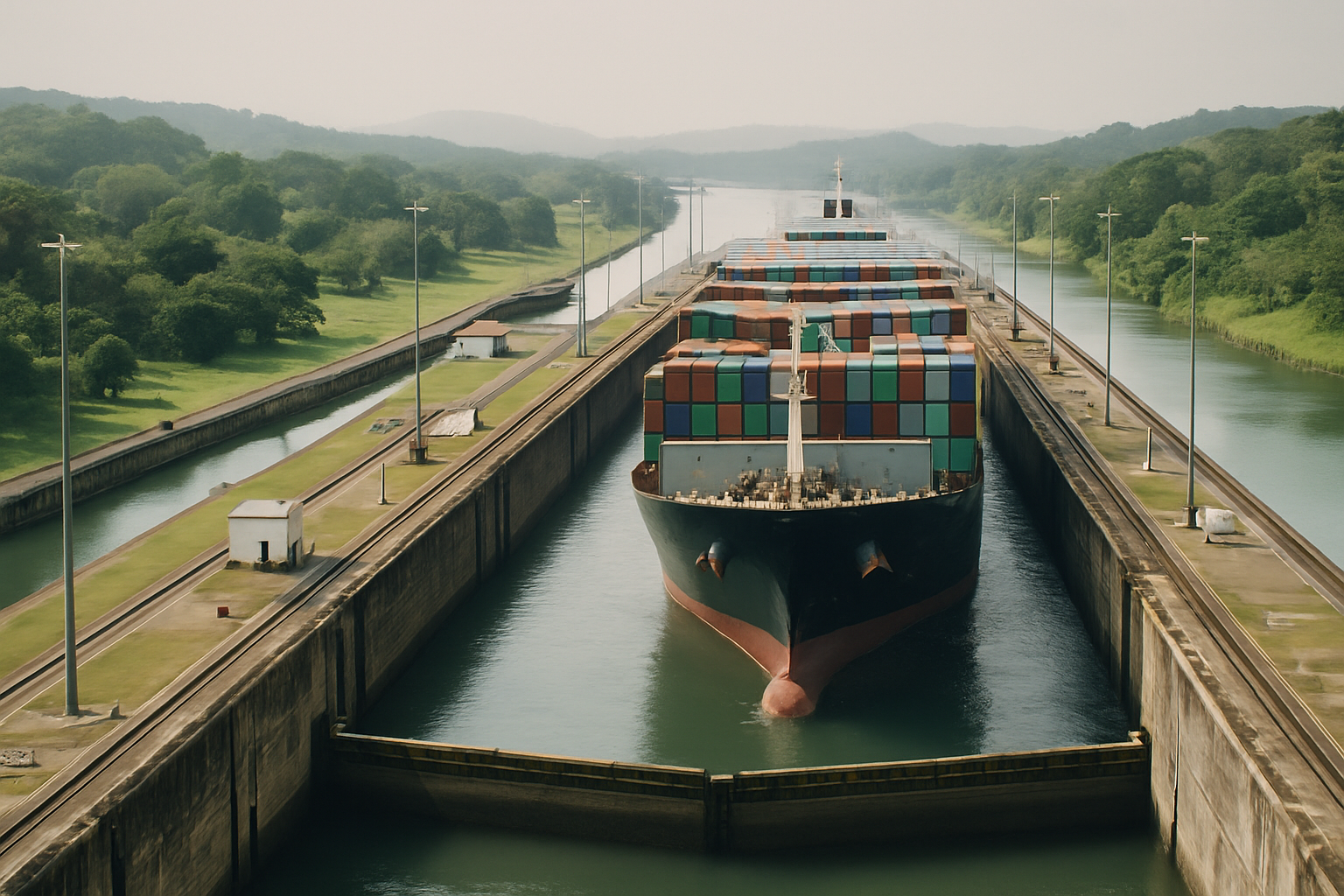
Few human-made marvels match the enduring significance of the Panama Canal. For over a century, this narrow passage between the Atlantic and Pacific has powered global trade and shaped the course of economies. In 2024, however, the world is watching as the Panama Canal endures one of its gravest challenges yet.
At the heart of the issue is something elemental: water. A historic drought is choking canal operations, raising urgent questions about the future of shipping, supply chains, and even the climate itself. In this article, I’ll shine a light on what’s happening, why it matters, and how the story of the Panama Canal reflects broader patterns in our interconnected world.
What's Happening
Since early 2023, the Panama Canal has experienced an ongoing water shortage due to record-low rainfall—linked by many experts to climate change and shifting weather patterns. The canal, dependent on freshwater lakes for its lock operations, simply does not have enough water to run at full capacity.
- Transit Restrictions: Panama Canal Authority has imposed strict transit limits—reducing the number of ships allowed per day and lowering the maximum draft permitted for vessels. As of mid-2024, daily transits have dropped by almost 40% compared to previous years.
- Global Supply Chain Disruptions: Ships are often forced to wait days, even weeks, for passage or reroute thousands of miles around South America, increasing costs and delays.
- Economic Impact: Fees for canal passage have spiked. Shipping rates for global goods—grains, LNG, electronics—have risen. Some companies are scrambling to secure alternative routes or rethink logistics altogether.
- Environmental Debate: The drought has intensified questions about water management, deforestation around the canal, and the canal’s long-term resilience to climate events like El Niño.
There’s a sense of urgency as rainfall patterns for 2024 remain unpredictable. The canal is not just a piece of infrastructure; it’s a living system now feeling the full force of planetary change.
Why This Matters
The Panama Canal still handles roughly 5% of all global maritime trade. When the canal slows, ripple effects stretch around the globe—from consumers in North America paying more for goods, to exporters in Asia facing missed contracts, to global food security concerns as grain shipments falter.
The current crisis touches everyone: companies who rely on just-in-time delivery, ports facing scheduling chaos, and even environmental advocates pressing for smarter water use and forest protection.
If these droughts are not an anomaly, but a signal of long-term climate realities, the world’s logistics network faces a fundamental recalibration. The Panama Canal story is, quite literally, connected to all of us.
Different Perspectives
Shipping Industry View
Shipping companies are alarmed by soaring costs and unpredictable schedules. They point to the canal as a single point of failure in global logistics, calling for investment in alternative routes—such as the Suez Canal, rail connectors, or even Arctic sea lanes.



