
Introduction
Every spring, as the world shakes off the last remnants of winter, millions gather to celebrate Persian New Year—known as Nowruz. This vibrant holiday, rooted in the rhythms of nature, signals more than just the start of a new calendar year. It represents hope, remembrance, and renewal, resonating far beyond the Iranian plateau.
I find this moment fascinating because it stands at the crossroads of ancient tradition and modern identity. In 2024, Nowruz is not just an Iranian celebration—it’s a cultural phenomenon recognized globally, especially in communities that trace their heritage to the Caspian Sea and beyond. What strikes me is how a festival with such deep historical roots continues to unite people across borders and generations.
What's Happening
Nowruz (pronounced "noh-rooz") marks the vernal equinox, arriving this year around March 20 or 21. Its origins lie in the Zoroastrian calendar, making it one of the world’s oldest continuing celebrations—its history stretching back over 3,000 years.
- Observed across borders: Nowruz is celebrated in Iran and over a dozen countries including Azerbaijan, Uzbekistan, Afghanistan, and parts of the Caucasus, many of which border the Caspian Sea.
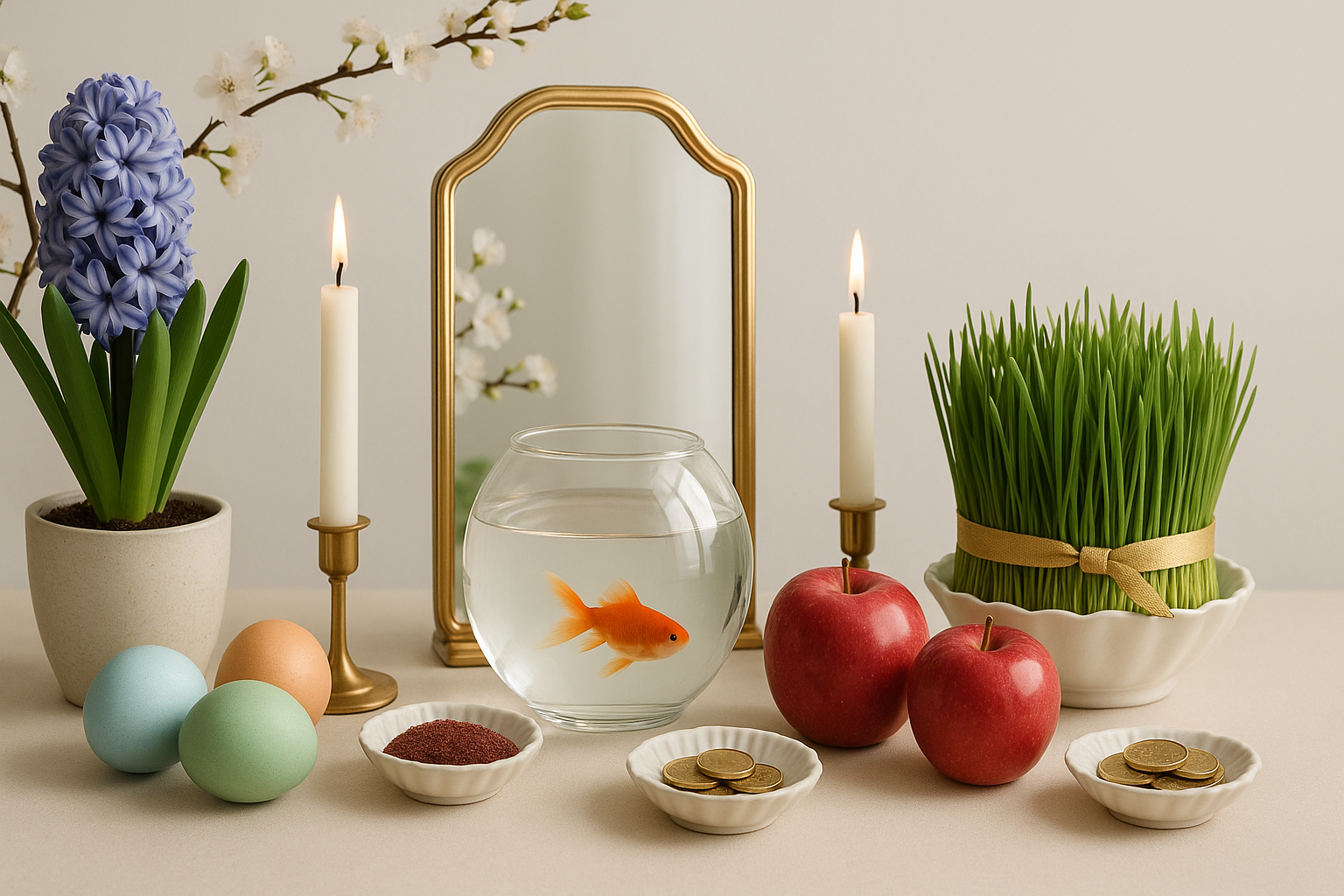
- Cultural traditions: Festivities include house cleaning (khaneh tekani), setting a 'Haft-Seen' table with symbolic items, jumping over bonfires for "chaharshanbe suri," and making family visits.
- UNESCO recognition: Nowruz was listed as an Intangible Cultural Heritage of Humanity by UNESCO in 2009.
- Modern celebrations: With migration and changing demographics, Nowruz events are now common in cities from Los Angeles to London, connecting diasporas to their origins.
The Caspian Sea region plays an important role in the Nowruz story. Many coastal communities retain unique rituals—such as special dishes made with local fish or music reflecting Caspian folklore—illustrating how the New Year bridges land, water, and culture.
This year, renewed discussions about environmental challenges facing the Caspian Sea—like pollution and shrinking water levels—have also highlighted Nowruz’s enduring links to nature and the environment.
Why This Matters
The persistence of Nowruz highlights both the power of tradition and the importance of cultural continuity. For those living far from ancestral lands, the holiday anchors identity in an ever-changing world. In multi-ethnic societies, it becomes an invitation for cultural exchange and understanding.
Current headlines about the Caspian Sea remind us that Nowruz is not just a time for joy—it’s a time to reflect on our shared responsibility to preserve the natural world that sustains so many of these customs. The renewal celebrated in Nowruz applies not only to people and families, but to landscapes, ecosystems, and cross-border cooperation.



