
Introduction
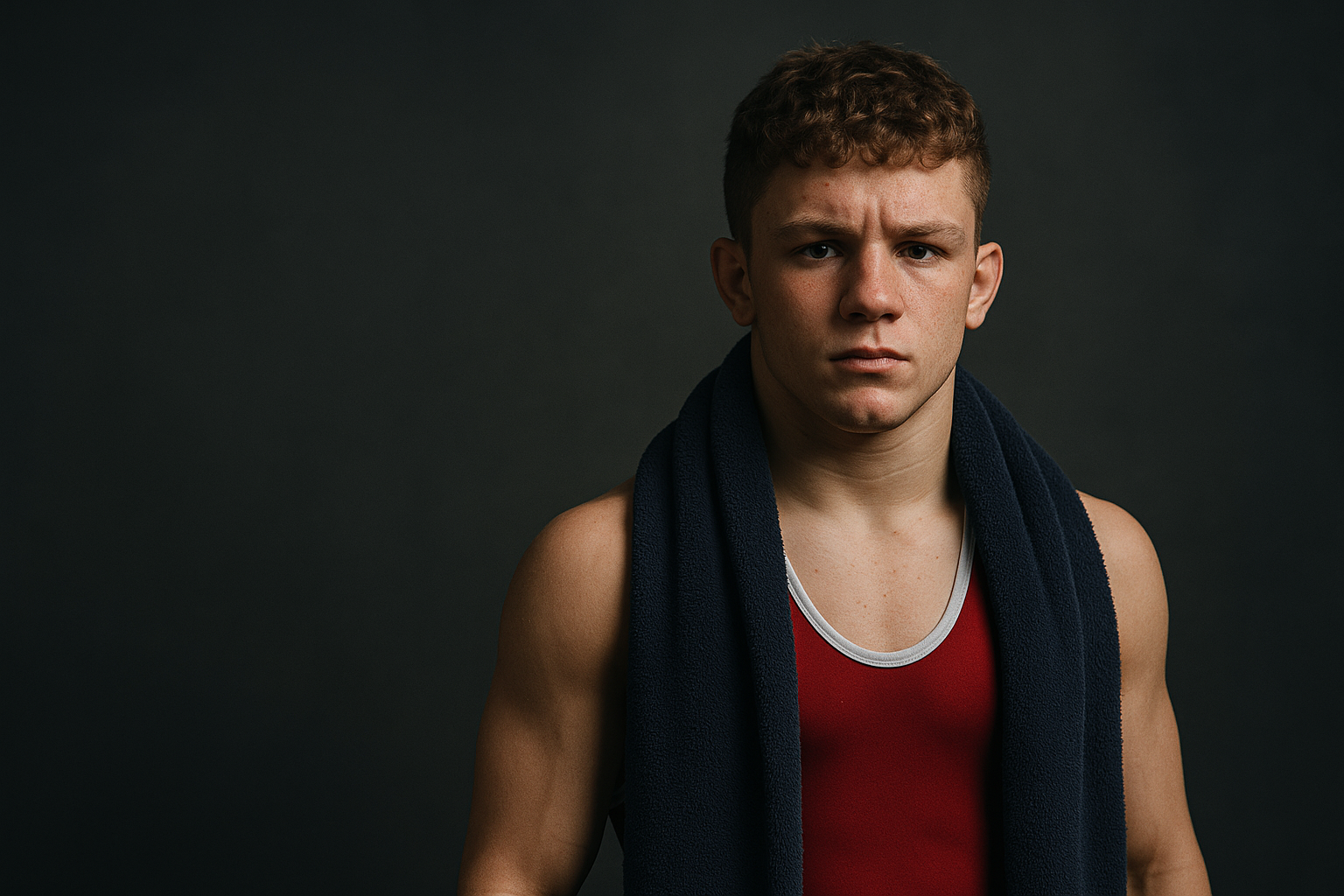
Every so often, a young athlete emerges who captures the collective imagination of an entire sport. Right now, that name is P.J. Duke. Headlines are buzzing about the high school wrestling star whose achievements are rewriting expectations for what’s possible at such a young age.
I find this moment fascinating because P.J. Duke’s rise intersects with evolving standards in youth athletics and the intense spotlight now shining on prodigies across many sports. What’s truly at stake, and why does his arc matter — both for wrestling and for how talent is cultivated and celebrated in the 2020s?
What's Happening
P.J. Duke, a high school wrestler from New York, has made headlines by becoming the first-ever three-time state champion as a sophomore. His technical skill and mental poise have drawn comparisons to legendary collegiate wrestlers, including Cael Sanderson and current wrestling prospects like Landon Robideau.
- At age 16, Duke won his third state title — an unprecedented achievement in New York wrestling history.
- He’s already committed to wrestle for Penn State, joining elite company under coach Cael Sanderson.
- His trajectory has made him a recruiting sensation, sparking debate about early commitments and youth development in wrestling.
- Media coverage is amplifying Duke’s status, with comparisons to previous prodigies who have either fulfilled or struggled under the weight of massive expectations.
The context extends beyond Duke: names like Landon Robideau surface as rival talents, while references to Cael Sanderson remind fans of the rare air that Duke is now breathing.
Why This Matters
Duke’s success resonates far beyond individual accolades. For one, it highlights how the youth wrestling landscape has evolved — with earlier exposure, specialized training, and the growing influence of college programs in shaping athletes’ futures.
This matters for wrestling’s ecosystem: younger stars set new benchmarks and attract much-needed attention to high school and collegiate wrestling. However, it also raises questions about athlete well-being, the pressure cooker of early achievement, and the arms race for top talent.
In short, Duke’s story is emblematic of wider shifts in how potential is discovered and developed — a mirror for debates happening across youth sports.
Different Perspectives
Optimists: A Rising Tide for Wrestling
Many celebrate Duke as proof that the sport’s grassroots pipeline is thriving. More prodigies mean elevated competition, bigger audiences, and inspiration for the next generation.



