
Introduction
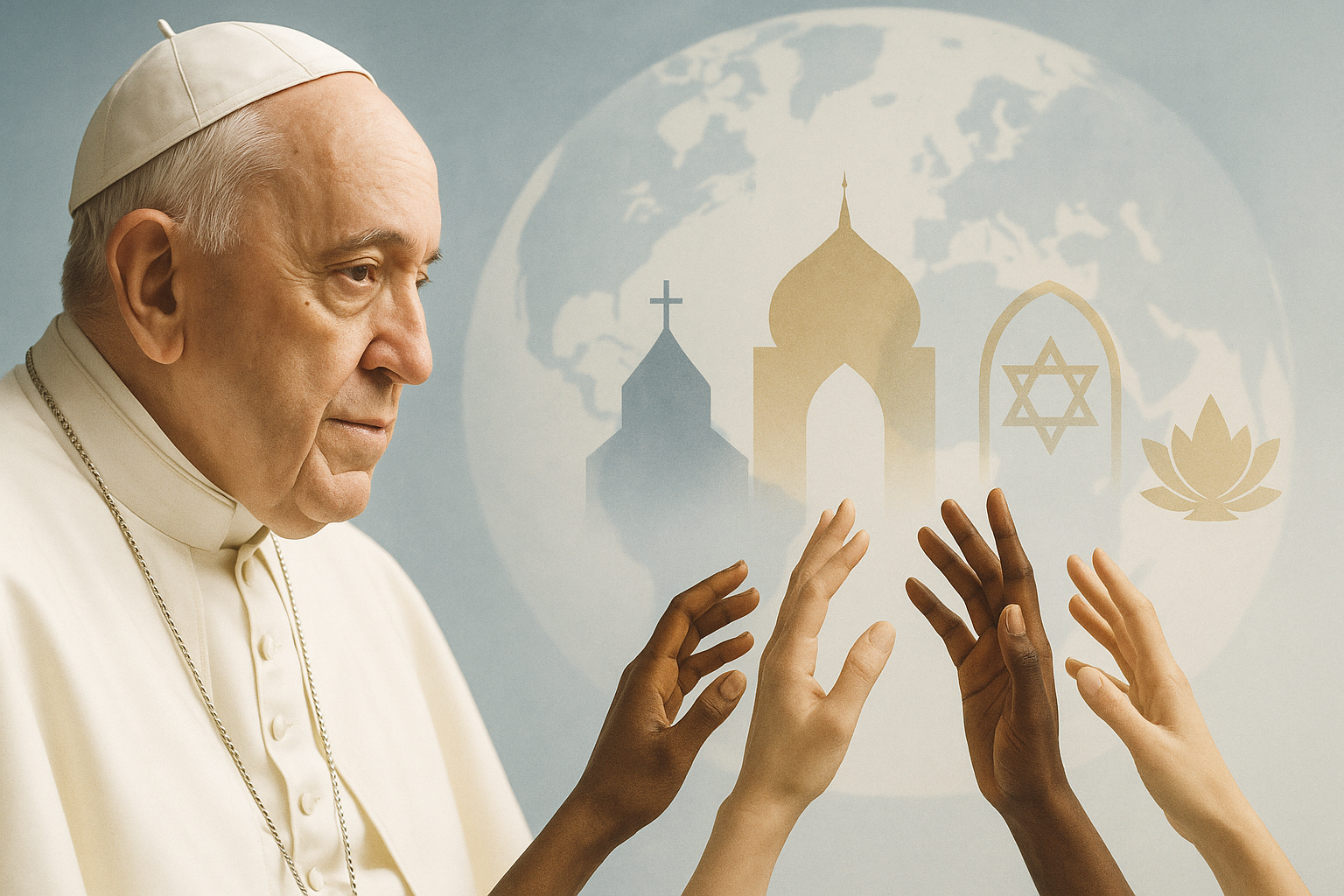
With violent conflicts escalating in multiple regions and deepening societal divides making headlines daily, calls for peace feel more urgent than ever. Recently, Pope Francis made a significant global appeal: he urged leaders and believers of all faiths to engage in interfaith dialogue as a pathway to fostering peace.
I find his message both timely and complex. In a world where faith can either fuel conflict or inspire reconciliation, the Pope’s words prompt us to ask: Can conversations across beliefs really change the trajectory of global tensions? And, what would it take for such dialogue to actually make a difference?
What's Happening
During a high-profile address in early June 2024, Pope Francis called for renewed global efforts toward interfaith communication. His speech echoed around the world, covered by major outlets and amplified by leaders from several religious backgrounds.
- Context: The Pope’s statement comes amid ongoing war and unrest in places like Ukraine, the Middle East, and parts of Africa, as well as rising polarization and nationalism worldwide.
- Core Message: Francis emphasized mutual understanding, empathy, and the universal values that connect faiths—urging leaders to "renounce the language of hatred and embrace the language of dialogue."
- Concrete Steps: He advocated for collaborative interfaith platforms, peace summits, and grassroots programs that bring religious communities together.
- Global Response: Several major figures, including the Grand Imam of Al-Azhar, welcomed the call, while some leaders expressed skepticism about its real-world effectiveness.
Historically, the Vatican has played a pivotal role in promoting religious dialogue, but this latest appeal comes at a time when digital misinformation, political radicalization, and cultural distrust threaten to undermine such efforts.
Why This Matters
Religious faith influences billions of lives and often shapes the moral and cultural framework of societies. When faith leaders advocate for peace and conversation, their voices ripple into politics, education, and even international relations.
This matters deeply for regions mired in conflict, where sectarian violence or religious extremism turns neighbors into adversaries. But it also affects multicultural societies wrestling with rising hate crimes, discrimination, and identity-driven polarization.
If Pope Francis’s call is heeded, it has the potential to help defuse tensions, humanize "the other," and promote collaborative problem-solving far beyond religious boundaries.
Different Perspectives
The Optimists
Proponents believe interfaith dialogue can build trust, shatter stereotypes, and foster peace. They highlight successful efforts—such as grassroots Christian-Muslim bridges in Africa or Jewish-Muslim cooperation in Europe—that have healed local wounds.



