
Introduction
Across the globe, religious differences often dominate headlines for all the wrong reasons — conflict, misunderstanding, and separation. Yet, what if the world’s spiritual leaders could come together, not to compete, but to collaborate? This is exactly the ambitious vision fueling Pope Francis’s upcoming interfaith summit, attracting the attention of believers and non-believers alike.
I find this topic fascinating because it spotlights a rare, powerful movement: global religious dialogue. With tensions and division so prevalent in recent news, efforts to foster unity and cooperation between faiths couldn’t be more relevant. Will this summit signal genuine change or just symbolic gestures? Let’s dig deeper.
What's Happening
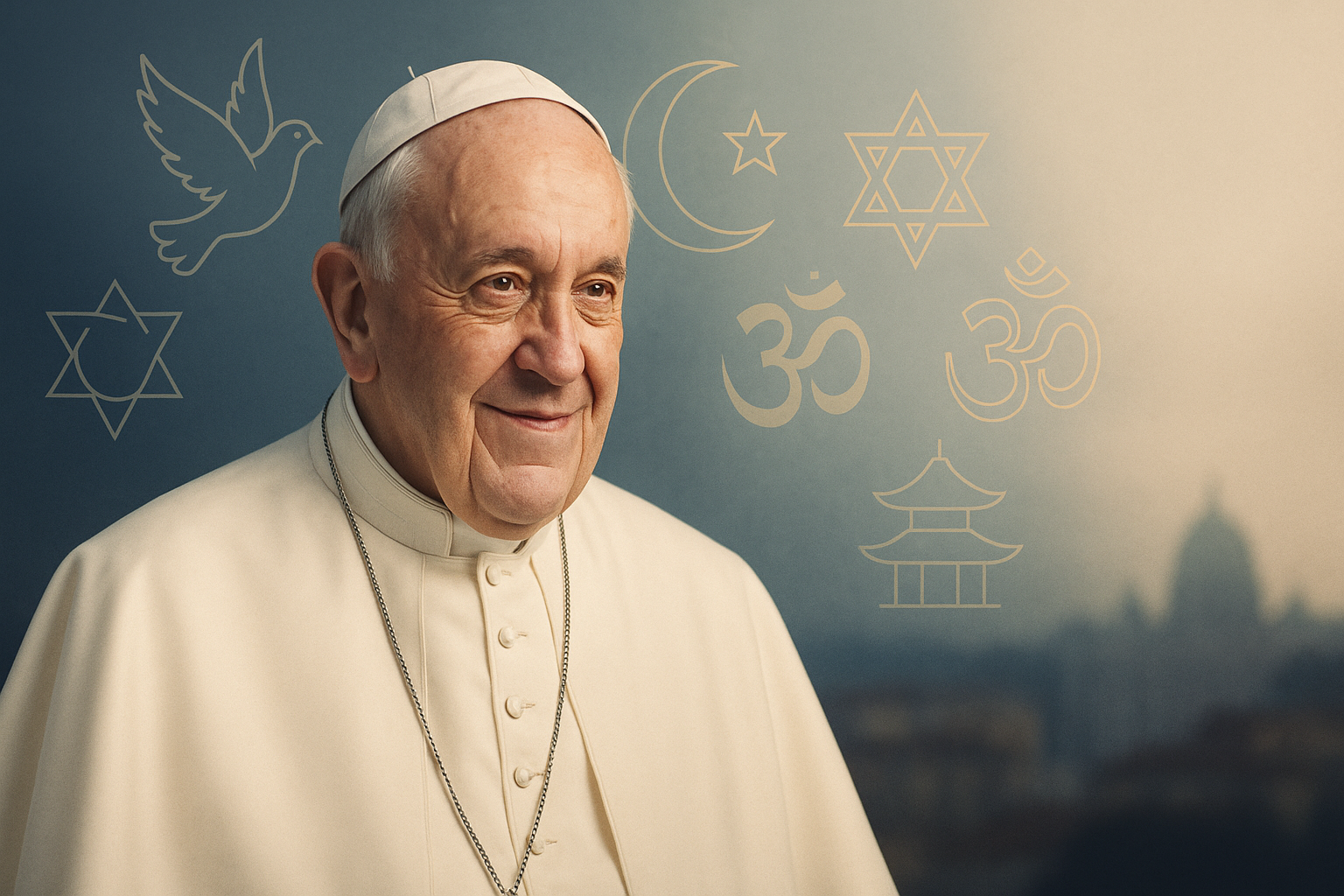
Pope Francis has announced a major interfaith summit set to take place later this year, drawing representatives and leaders from a spectrum of major world religions. Hosted at the Vatican, this gathering aims to encourage conversation, mutual respect, and partnerships across spiritual traditions.
- The summit will feature not only Christian leaders, but prominent voices from Islam, Judaism, Buddhism, Hinduism, Indigenous faiths, and others.
- Core themes include peacebuilding, environmental stewardship, and defending human dignity.
- The event builds on prior papal outreach, such as Francis’s Document on Human Fraternity (2019) co-signed with Grand Imam Ahmed el-Tayeb.
- Sessions will be structured around dialogue panels, joint declarations, and grassroots working groups aimed at concrete collaborations.
From my analysis, this summit is notable not just for who attends, but for its explicit intention: to move beyond polite words toward practical cooperation on global issues.
In a world increasingly shaped by migration, multiculturalism, and digital connection, bringing faith leaders together publicly is a statement with wide cultural and political resonance.
Why This Matters
The implications of this summit stretch far beyond Vatican walls. Religion shapes billions of lives, often influencing laws, norms, and even international relations. When leading figures model dialogue over division, it can inspire similar attitudes among followers and policymakers.
This matters especially now, as religious polarization, violence, and discrimination persist in regions from the Middle East to South Asia to the Americas. At the same time, many faith traditions hold untapped potential to address global problems — from climate change ethics to refugee care — if they work together.
What strikes me is the potential ripple effect: grassroots activists, politicians, and youth movements look to their spiritual elders for cues about coexistence and cooperation.