
Introduction
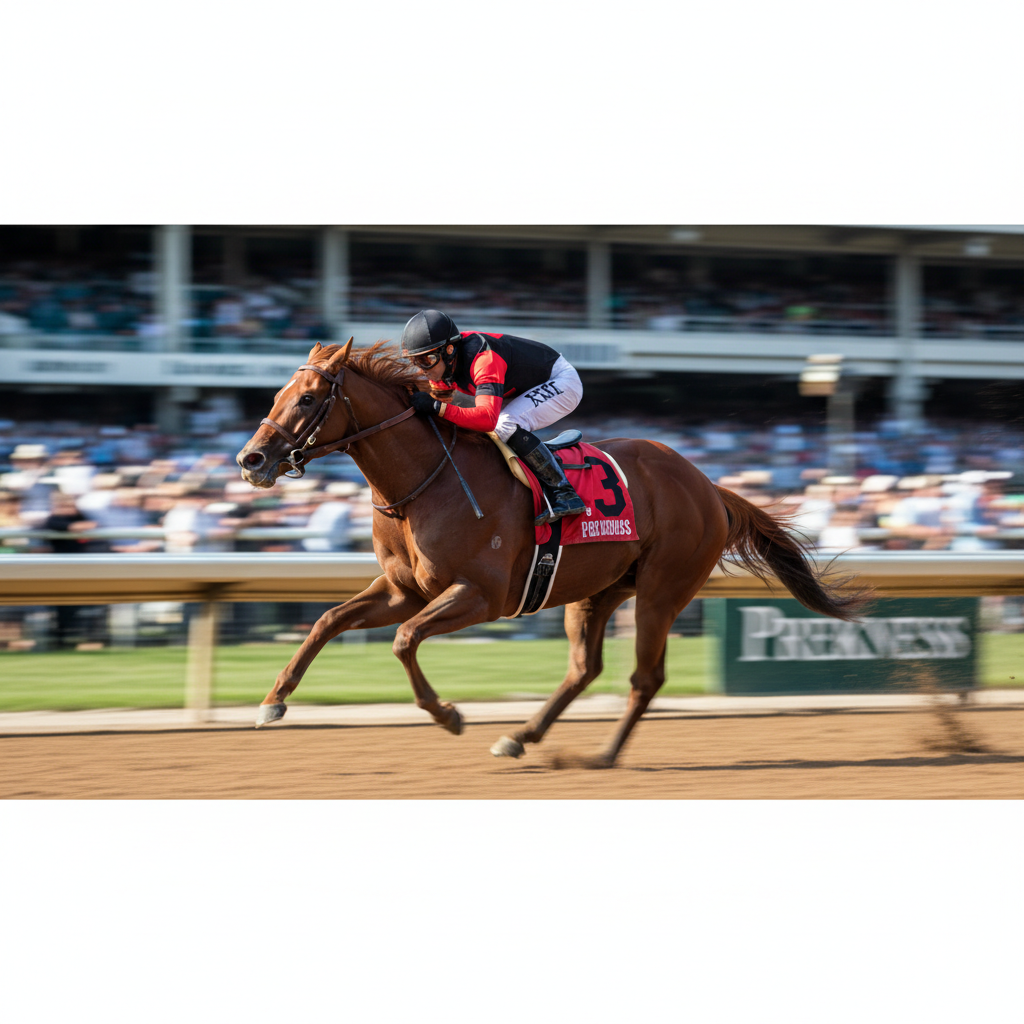
Every spring, the world of horse racing turns its attention to Baltimore, Maryland, for the Preakness Stakes — the thrilling second jewel in the renowned Triple Crown. This isn't just another sporting event; the Preakness embodies a rich blend of tradition, spectacle, and intense competition that captivates fans and casual viewers alike.
This year, the Preakness has been making headlines yet again, with surprise upsets, heated debates about the future of horse racing, and a renewal of public fascination. Why does this single race command such attention in 2024? I find it fascinating because the Preakness is more than just a competition; it reflects wider conversations about sports, culture, and even the ethical standards we hold.
What's Happening
The Preakness Stakes, held at Pimlico Race Course, is the second race in the prestigious Triple Crown series, following the Kentucky Derby and preceding the Belmont Stakes. The 2024 edition has drawn record crowds, star-studded attendees, and intense media coverage.
- In 2024, a longshot contender unexpectedly surged to victory, disrupting betting favorites and thrilling spectators.
- There have been ongoing discussions regarding the condition of the historic Pimlico venue and ambitious redevelopment plans for the site.
- Horse welfare remains in the spotlight after recent industry controversies, with organizers and fans eager to see improved safety measures.
- Coverage has also emphasized the economic impact for Baltimore and the race's significance in a changing sports landscape.
The race is viewed as a critical test for Kentucky Derby winners aiming to pursue the elusive Triple Crown — a feat challenging even for the finest athletes and their trainers.
The buildup and aftermath of the Preakness fuel debates, from the role of tradition and pageantry to questions about betting, animal rights, and the future of the sport itself.
Why This Matters
The Preakness Stakes isn't just a major day for race fans — it radiates cultural, social, and economic influence beyond the track. For the city of Baltimore, the event brings millions in tourism and global attention, impacting jobs and community identity.
At the same time, the race has become a flashpoint for discussions about the modernization of horse racing. Concerns over equine health, inclusivity, and evolving fan expectations are pushing organizers and stakeholders to reimagine what the Preakness should stand for in the 21st century.
The scrutiny and celebration make it a significant barometer for the sport's resilience and adaptability.
Different Perspectives
Traditionalists & Enthusiasts
Many lifelong fans view the Preakness as a cherished ritual. To them, its storied history — dating back to 1873 — and high-stakes drama are non-negotiable. They emphasize the craftsmanship of trainers and jockeys, and see the event as an integral fixture of American sports.



