
Introduction
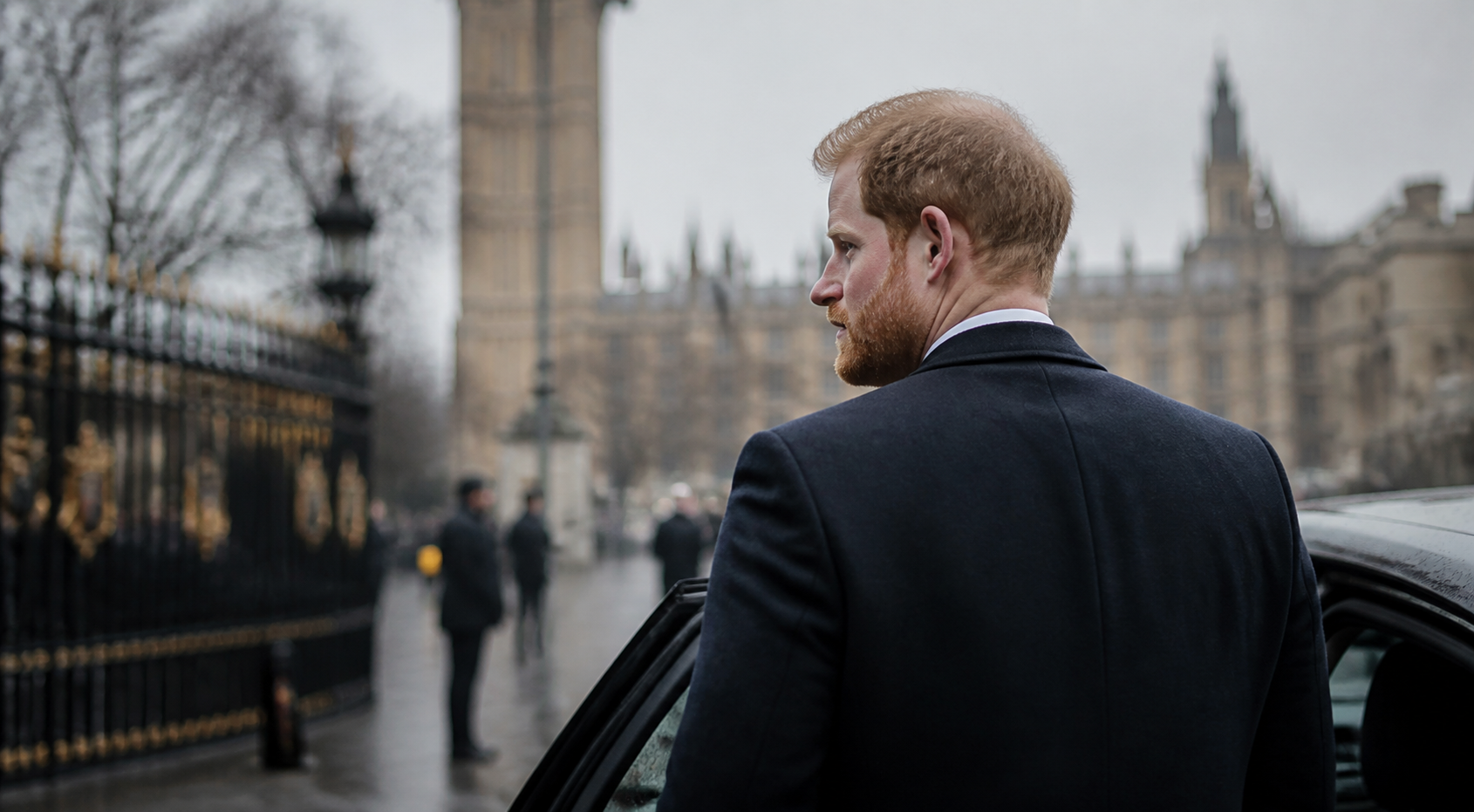
Whether you follow the intricacies of the British royal family or simply catch passing headlines, you’ve likely seen that Prince Harry’s visits to the UK are drawing renewed media buzz. This topic resonates for many, as it touches on themes of family, legacy, and public scrutiny in the modern age.
From high-profile events like King Charles’ coronation to more quietly emotional trips, Harry’s returns to his home country have become headline moments. Why does a single royal’s visit generate such intense attention, and what undercurrents ripple beneath these appearances? I find the intersection of tradition, celebrity, and personal narrative here particularly fascinating.
Key Takeaways
- Prince Harry’s UK visits receive significant public and media attention due to his unique royal status and ongoing family dynamics.
- His most recent trips have often been tied to major royal events or family milestones, such as health scares and anniversaries.
- Security arrangements, public response, and media coverage remain contentious aspects of his visits.
- These visits highlight evolving perceptions of the royal family and their place in British society.
What's Happening
Prince Harry, once a full-time working royal, has lived in the United States since early 2020 after stepping back from official duties with his wife, Meghan Markle. However, he still returns to the UK periodically, sparking debate and curiosity each time.
Recent key visits include flying in for King Charles III’s coronation in May 2023, marking the 10th anniversary of the Invictus Games in May 2024, and a brief stay in early 2024 during the King’s cancer diagnosis reveal. Notably, Harry often visits solo, with Meghan and their children rarely accompanying him.
- Media coverage frequently scrutinizes his arrival, the level of security provided, and interactions (or lack thereof) with other senior royals.
- His appearances are often short and sometimes avoid public or family reunions, further fueling speculation about royal tensions.
- Legal disputes over security measures in the UK and ongoing court cases relating to press intrusion add layers of complexity to these trips.
Harry’s movements are tracked not just for protocol, but for what they might signal about shifting family relationships, the monarchy’s public image, and global celebrity culture.
Why This Matters
Every Harry UK visit becomes more than a family reunion — it serves as a prism for broader questions about the monarchy’s role in contemporary life, privacy, and media accountability.
For British society, royal activity is not mere spectacle; it’s tied to national identity, debates about tradition, and evolving expectations for public figures. Internationally, Harry’s situation resonates with ideas of personal autonomy, the challenge of managing fame, and the impact of family rifts in the public eye.
Different Perspectives
Royalists and Traditionalists
Many who support the monarchy see Harry’s visits as a source of tension or disappointment, arguing that his absence from core royal duties and open criticisms have weakened the institution’s unity and public standing.
Supporters of Harry and Meghan
Others empathize with Harry’s desire for autonomy and privacy, viewing his returns as courageous efforts to maintain family connections despite past trauma and media pressure.
The Neutral Public
Some approach Harry’s trips with indifference or fatigue, seeing them as private family matters unduly amplified by the press, or as modern examples of celebrity culture overshadowing more pressing social concerns.



