Introduction
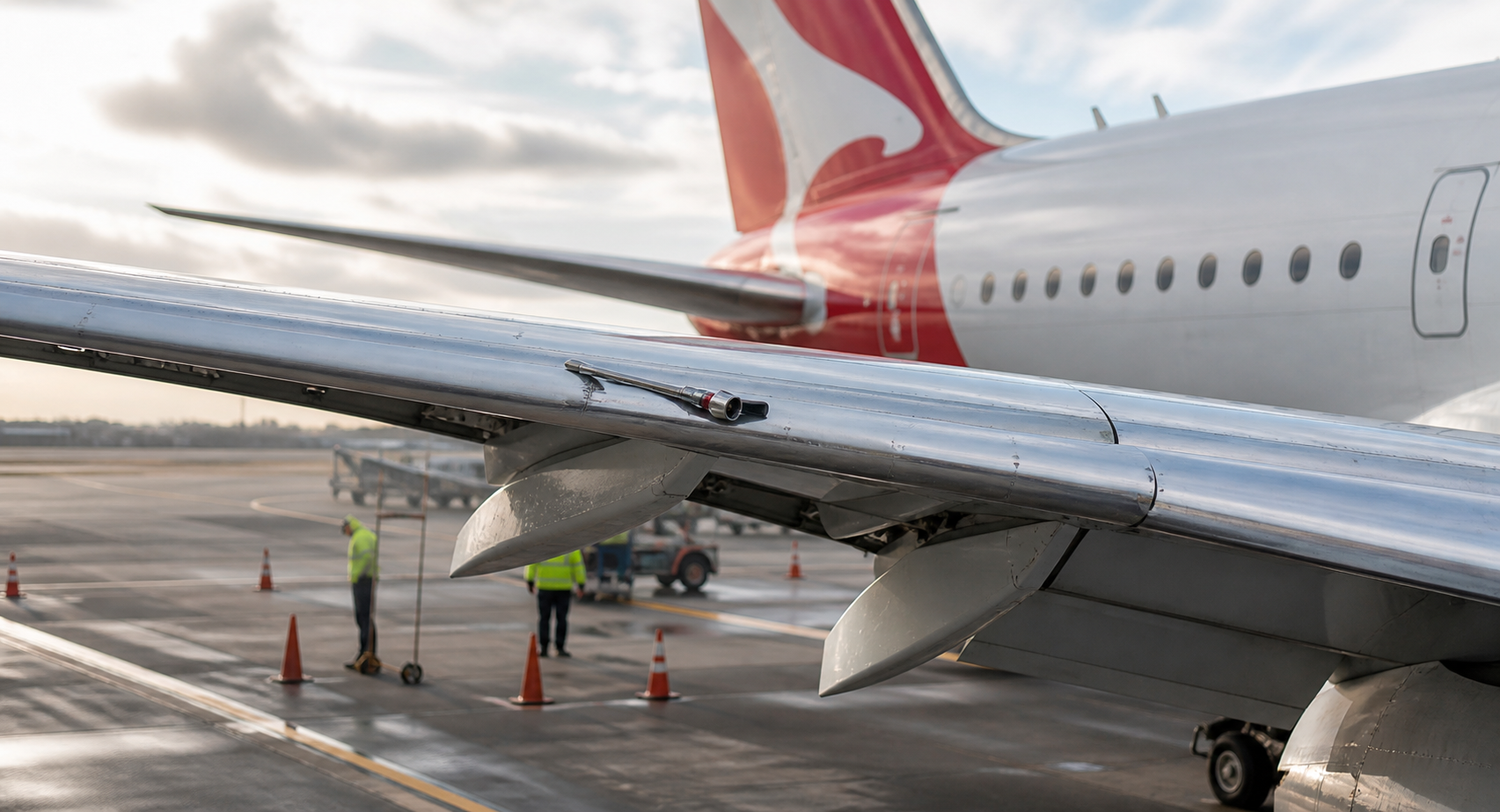
Sometimes, it's not a technical malfunction but a forgotten wrench that puts airline safety in the spotlight. Recently, news broke about a Qantas aircraft operating with a tool left inside its wing, prompting an immediate investigation and reigniting debates about aircraft maintenance protocols.
I find this situation fascinating because it exemplifies how one small oversight can ripple through a tightly regulated industry, challenging even the most robust safety procedures. With millions of people relying on air travel daily, understanding incidents like this is crucial for maintaining trust and safety in the skies.
Key Takeaways
- A Qantas aircraft was discovered flying with a tool mistakenly left inside its wing during maintenance.
- The incident prompted Qantas to ground similar aircraft and initiate a full safety review.
- No injuries or flight disruptions occurred due to the incident, but it raised industry-wide concerns about maintenance checks.
- Regulators are closely monitoring the situation, and Qantas faces increased scrutiny over its procedures.
- This event underlines the importance of human factors and procedural rigor in aviation safety.
What's Happening
The incident came to light when routine checks revealed a tool—reportedly a small wrench—had been left inside the wing structure of a Qantas aircraft after scheduled maintenance. This tool was discovered during a follow-up inspection, not during normal operation.
Upon learning of the oversight, Qantas immediately grounded similar aircraft as a precaution. Maintenance teams conducted thorough inspections to ensure no other tools or foreign objects were left behind in any of the airline’s planes.
Although no flights were directly impacted and there were no safety incidents as a result, Qantas reported the incident to aviation regulators. The airline also started an internal review of maintenance procedures to understand how such an error occurred and to prevent future lapses.
- Qantas has emphasized its "zero-tolerance" approach to safety risks and is cooperating with authorities.
- The incident has brought renewed attention to the aviation industry's dependence on rigorous human and systemic checks.
Why This Matters
Aviation is built on layers of safety—both technological and procedural. When a tool is left inside an aircraft, even if it causes no immediate harm, it introduces an element of unpredictability that regulators and airlines strive to eliminate.
For Qantas, whose safety record is a key part of its brand, the incident is more than a technical error—it challenges public perception and regulatory trust. The maintenance workforce, as well as passengers and the industry at large, are watching closely to see how the airline responds and adapts its practices.
On a broader level, this event is a stark reminder that, despite technological advancements, human oversight remains a critical—and sometimes vulnerable—part of air travel safety.
Different Perspectives
Qantas Management
Qantas has stressed its commitment to safety, highlighting that its response was proactive and transparent. The airline stated that immediate steps were taken to inspect its fleet and review maintenance protocols.
Aviation Regulators
Regulatory bodies view this as a serious breach, regardless of outcome. They are using the incident to push for more rigorous safety and compliance checks across the industry, not just for Qantas.
Passengers and General Public
Many passengers express concern about the reliability of airline maintenance, but appreciate the airline’s transparency and swift actions. However, incidents like this can undermine trust if not thoroughly addressed.