
Introduction
The debate over unidentified aerial phenomena (UAPs) has surged back into mainstream conversations, thanks to recent video releases from the U.S. Navy. As these intriguing clips circulate across media and social platforms, they stir up age-old questions about what we really know about our skies—and what remains just out of reach.
I find it fascinating how each wave of UAP evidence, especially when validated by a trusted military source, reignites both skepticism and hope. Why now? What are these videos really showing, and how should we interpret them in an age of misinformation and advanced tech?
What's Happening
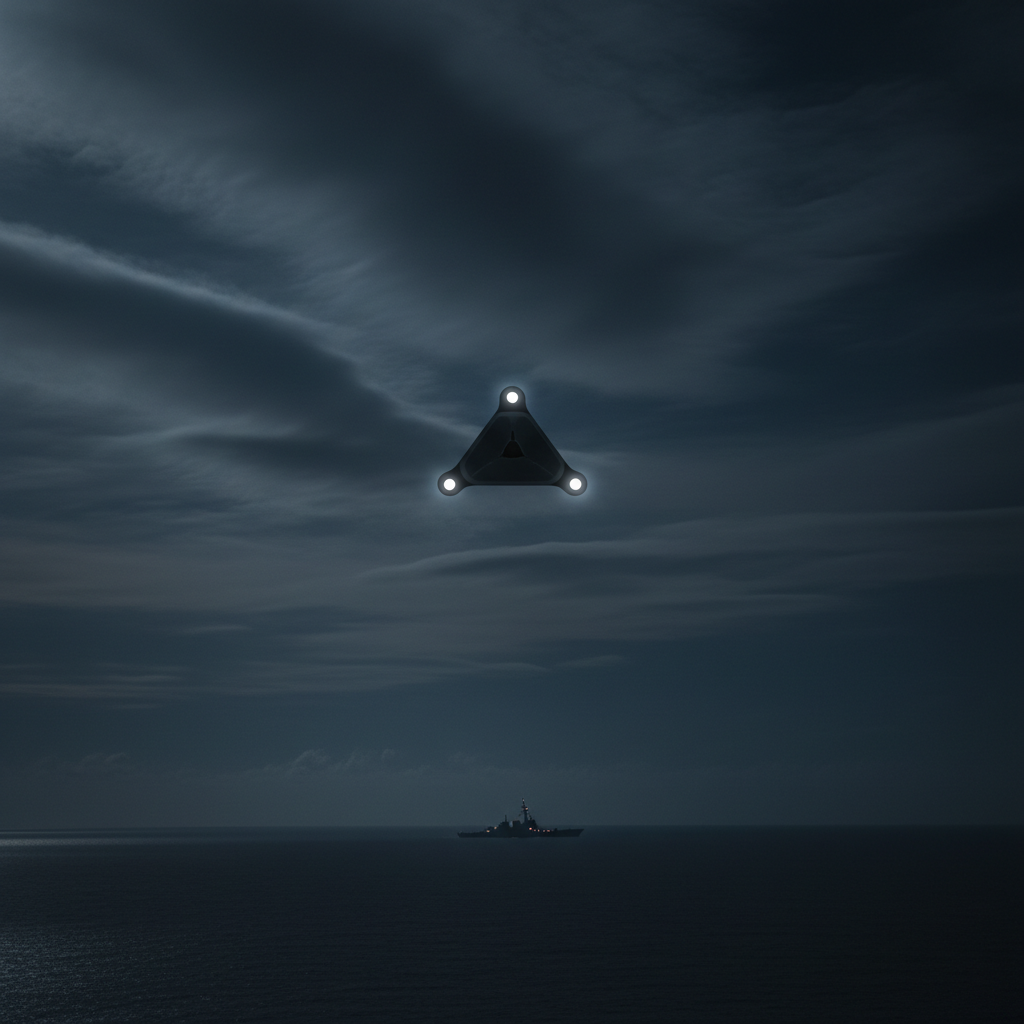
The U.S. Navy has again declassified and released new footage capturing unexplained aerial objects. These videos, filmed by Navy pilots using advanced sensors, display fast-moving objects with flight characteristics that don't match known aircraft or natural phenomena.
- The videos include infrared and radar reads, showing UAPs accelerating, turning, and maneuvering in seemingly impossible ways.
- Officials emphasize that these remain "unexplained" — no firm identification has been made, despite rigorous military analysis.
- Release of the videos follows previous confirmations in 2020 and fits into the Pentagon's ongoing investigation, now overseen by the All-domain Anomaly Resolution Office (AARO).
- These developments have prompted renewed Congressional interest, with lawmakers calling for transparency and broader scientific scrutiny.
Media outlets, scientists, and the public are poring over the new material, triggering analysis from amateur sleuths and professional experts alike.
Why This Matters
The release of credible military footage means the UAP conversation is no longer fringe. Authentic Navy videos demand a serious, multidisciplinary approach, shifting focus from "aliens or not" to understanding what remains technically and scientifically unexplained.
This matters for national security—unknown aerial objects in restricted airspace are always a concern—yet it also expands frontiers for scientific curiosity. These debates impact technology research, trust in institutions, and the public’s perception of both risk and possibility.
The Navy's transparency, whether voluntary or compelled, sets new standards for how governments interact with the mysteries nature (and possibly humankind) present to us all.
Different Perspectives
Scientific Skeptics
Many scientists argue that these videos, while compelling, lack sufficient data for extraordinary claims. They emphasize the risk of misinterpretation, suggesting mundane explanations like sensor errors, atmospheric phenomena, or classified technology.



