
Introduction
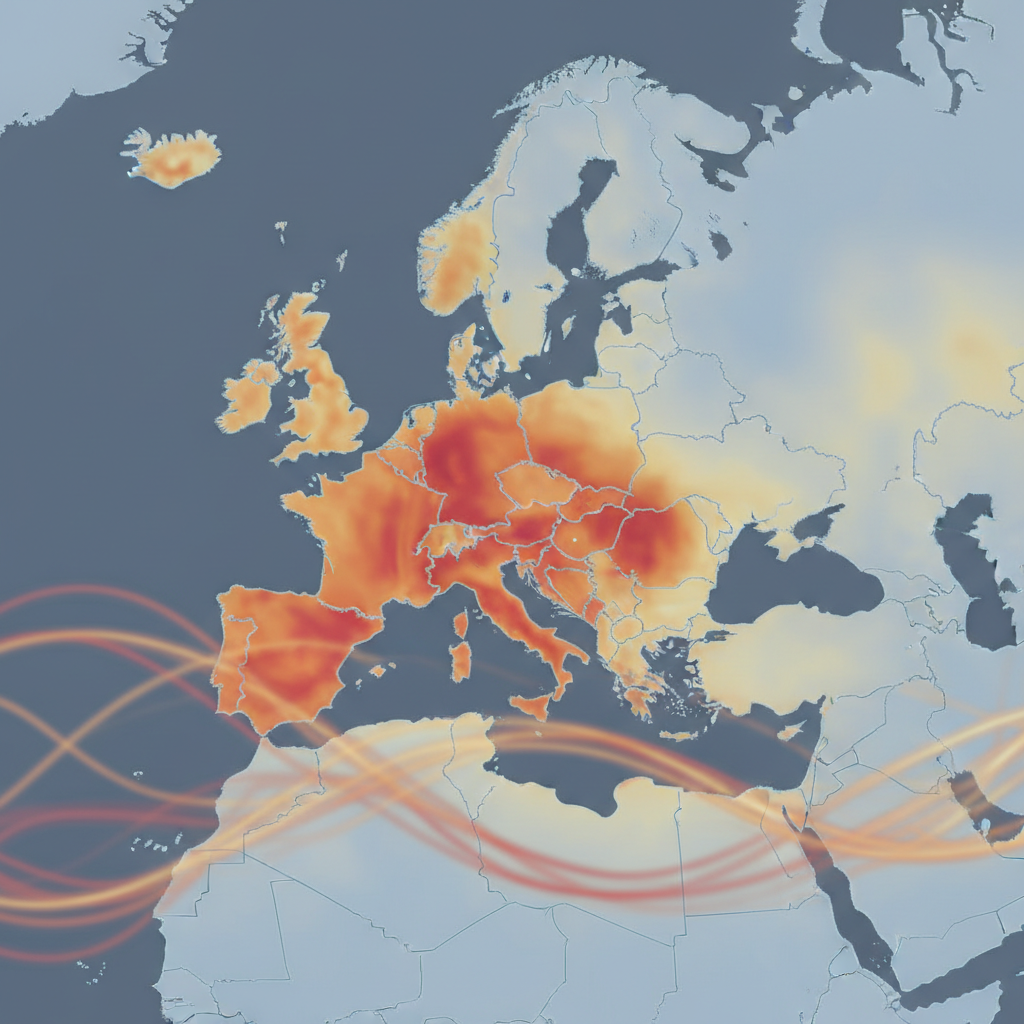
Europe is experiencing some of the most extreme heatwaves in its recorded history. With temperature records tumbling across cities from Rome to Paris this summer, the continent is now in the global spotlight of the climate crisis debate. Many are asking: Why now, and what does it mean for the future?
I find this surge in intense heat both fascinating and deeply concerning. These patterns are setting new precedents, not just in weather records, but in how societies and policymakers will need to respond to a changing world. It’s a critical moment to examine how quickly the climate is shifting — and what lessons we all can draw.
What's Happening
In recent weeks, much of Europe has faced blistering temperatures, with some regions smashing century-old records. The 2024 summer has seen:
- Multiple countries exceeding 40°C (104°F), including France, Spain, Italy, and Germany
- Prolonged heatwaves lasting for weeks rather than days, stressing infrastructure and health systems
- Major urban centers like Athens and Madrid reaching record highs that strain electricity and water supply
- Emergency declarations and health advisories, particularly for vulnerable groups such as the elderly and children
These heatwaves coincide with rapidly growing scientific evidence that attributes such extremes to accelerating climate change. In landmark studies, researchers have found that the probability of such intense European heat events has increased several-fold since the pre-industrial era, directly linked to rising greenhouse gas emissions.
In addition:
- European forests and agricultural land have suffered record droughts and wildfires
- River levels, including the Rhine and Po, have dropped dramatically, affecting shipping and food production
- Heat-induced mortality has become a significant public health concern, echoing the deadly 2003 European heatwave
Why This Matters
The implications of these record-breaking heatwaves are far-reaching. Europe, often seen as a climate action leader, is now grappling with events that test its resilience and preparedness. The severity and frequency of these hot spells challenge everything from agriculture to energy grids and tourism.
What strikes me is how these events make the abstract threat of climate change vividly real for millions. The costs aren’t just environmental — they’re deeply personal and societal, reshaping the way people live, work, and interact with their surroundings. It’s forcing hard questions about adaptation, equity, and the global nature of climate risk.
Different Perspectives
Climate Scientists
Most climate researchers agree these heatwaves provide clear, observable evidence of anthropogenic climate change. They stress the urgent need for emission reductions and adaptation strategies built on solid science.



