
Introduction
The Rock and Roll Half Marathon DC isn't just a race; it's a celebration of grit and music cutting through the heart of the nation's capital. The 2024 event buzzed across social feeds, drawing thousands of runners and fans eager for a high-energy shakeup to the city's springtime routine. What’s fueling this longstanding tradition—and why is it resonating so strongly now?
As I sift through the latest race highlights, finisher stories, and even the behind-the-scenes logistical feats, it strikes me how running, music, and community all converge for a uniquely D.C. experience. I’m fascinated by the evolution of this event and what it reveals about fitness, urban culture, and our need to gather—especially after years of pandemic-related disruptions.
What's Happening
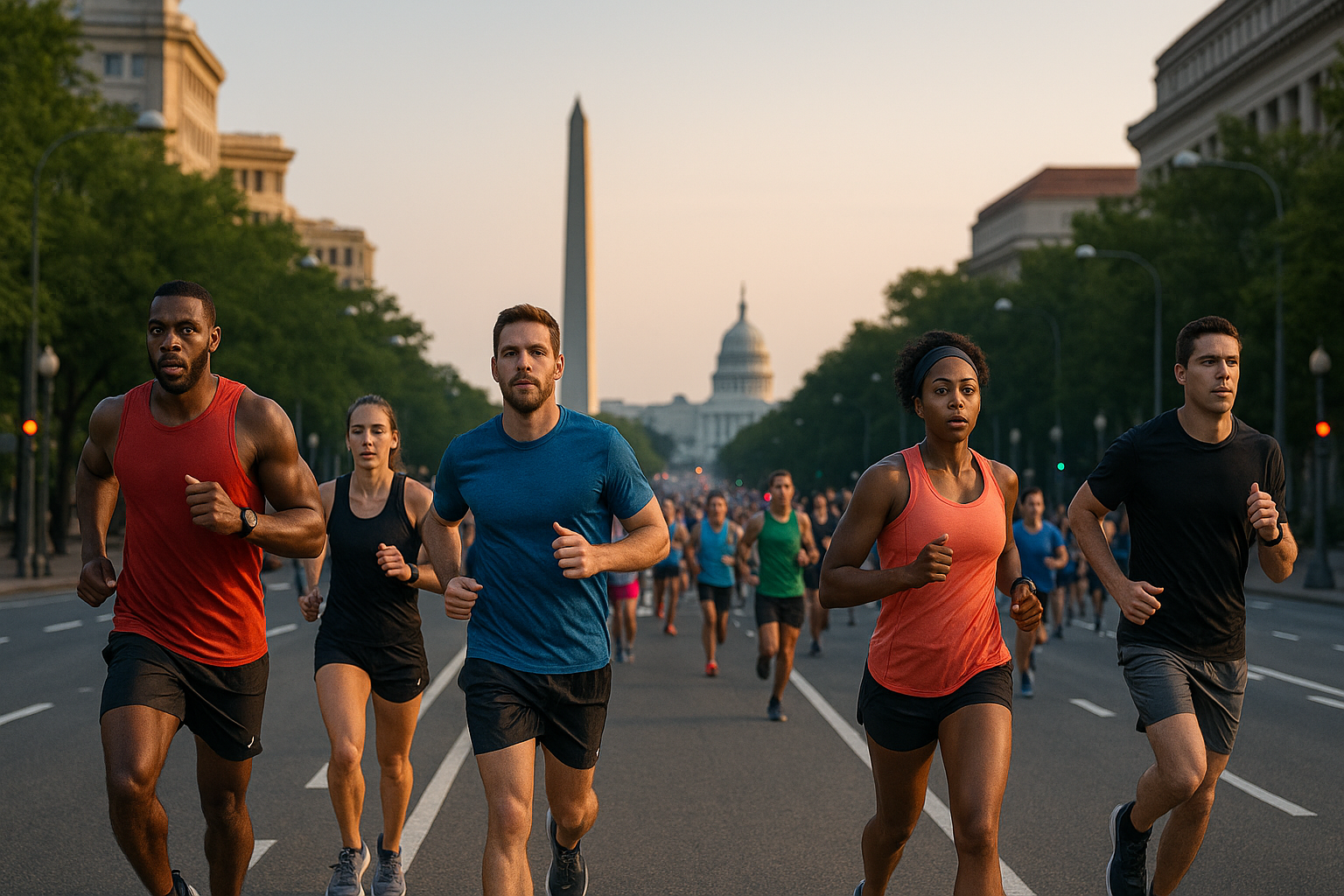
The 2024 edition of the Rock and Roll Half Marathon DC unfolded on a brisk March morning, kicking off near Constitution Avenue beneath blooming cherry blossoms. Here are the essentials:
- Over 15,000 runners registered for the half marathon, with several thousand more participating in the related 5K and 10K events.
- The route weaved past major D.C. landmarks—including the Capitol, Lincoln Memorial, and through neighborhoods like Adams Morgan—giving runners a scenic tour spiked with live bands every mile.
- The event wasn't just about the race; an expansive Health & Fitness Expo headlined the weekend, featuring expert speakers, running gear vendors, and training clinics.
- Dozens of local and national charities leveraged the race to raise funds, while hundreds of volunteers kept logistics humming.
One core feature is the live music: stages with rock, pop, and go-go bands energizing participants along nearly every stretch. This musical infusion sets the DC event apart from many conventional marathons—and aligns perfectly with the Rock and Roll brand's festival ethos.
As usual, organizers focused on inclusivity. There were wheelchair racers, themed teams (like superheroes and music icons), and hydration stations abundant enough to beat early spring heat.
Why This Matters
This half marathon isn't just about athletic achievement. It's a flagship for D.C.'s post-pandemic comeback, a testament to group resilience and the joy of shared goals. The event's scale boosts the local economy—hotels, restaurants, and shops see spikes in business thanks to out-of-town visitors.
Health and wellness trends are central, too. Participation in running events is bouncing back nationwide, and the DC race’s popularity highlights shifting priorities toward community-driven fitness—people want more than just finishers’ medals; they want connection and memorable experience.
And, of course, the fundraising aspect: Millions have been raised over the years for diverse causes. The race is a key example of how sports and philanthropy intersect in modern urban life.
Different Perspectives
The Runners’ View
For participants, this isn’t just a physical test—it's a bucket list experience. The thrill of racing past monuments and hearing live music is part of what “makes memories.” Many return annually, forming running clubs or family traditions around the event.



