
Introduction
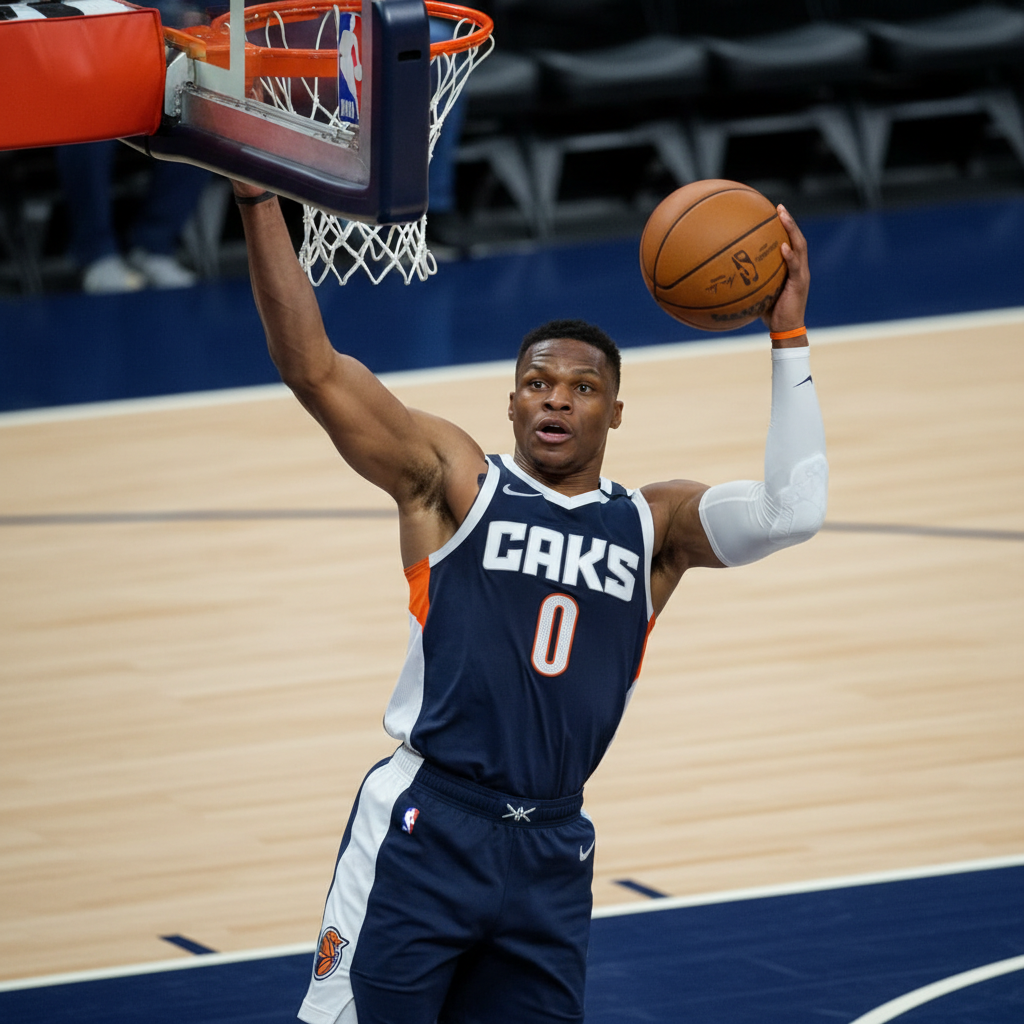
Russell Westbrook’s name is trending again, and it’s not just about the triple-doubles or the explosive athleticism that defined much of the last decade of NBA basketball. Whether he's making headlines for a recent trade, his adaptability coming off the bench, or stirring up conversation on social media, Westbrook remains a lightning rod in the basketball world. Fans and critics watch his every move, debating what his evolving career means for the present and future of the league.
What fascinates me about Russell Westbrook at this moment is how he represents both the changing face of the NBA and the broader conversation around athlete legacy. As team rosters shift and new stars rise, veterans like Westbrook challenge ideas about what it means to be valuable—and valued—in professional sports. His story resonates beyond just basketball swings and stat sheets; it’s about reinvention, resilience, and relevance in a fast-changing world.
What's Happening
Let’s set the stage: Russell Westbrook, once an undisputed superstar and league MVP, has found himself in a new phase of his career. After years as a starting point guard and face of the Oklahoma City Thunder, he’s played for several teams—including the Houston Rockets, Washington Wizards, Los Angeles Lakers, and currently the Los Angeles Clippers. Recent headlines have focused on:
- Westbrook’s Adaptability: Transitioning from starter to key bench player, particularly with the Clippers, sparking both praise and skepticism about his ability to influence the game without being the main offensive engine.
- Team Changes: Ongoing speculation about potential trades as the NBA offseason heats up, plus commentary on how he fits into different roster constructions.
- Statistical Milestones: Westbrook keeps moving up all-time leaderboards in assists and triple-doubles, cementing his legacy statistically even as his on-court role evolves.
- Media Narratives: Heated debates across sports media about whether Westbrook is “washed,” underutilized, or unfairly critiqued, with some analysts pointing to his leadership and others questioning his fit in today’s three-point-focused league.
Westbrook’s recent playoff performances—marked by bursts of energy but also uneven shooting—have drawn fresh attention to his skillset and team impact. His reputation as a fierce competitor persists, but so does the narrative that he’s trying to find the right balance and role late in his career.
It’s also notable how his outspoken personality and community work off the court continue to make news, highlighting athlete activism and personal branding in the age of social media.
Why This Matters
Russell Westbrook’s journey isn’t just about one player—it’s emblematic of larger NBA themes. The league itself is changing rapidly, with successful teams leveraging versatility, deep benches, and evolving pace-and-space tactics. Aging stars like Westbrook face tough questions: How do you adapt to stay relevant? What does “value” mean when your traditional strengths—like athletic dominance—aren’t as dominant?
Westbrook’s situation impacts not just the teams that sign him but also young players looking to him as a model—both for achieving greatness and for persevering through tough transitions. Front offices eye his contract size and fit with a strategic lens, while fans weigh nostalgia against the urgency of winning now.
And in a broader sense, his visibility keeps the conversation alive about athlete mental health, social causes, and the right to define one’s own legacy. For the NBA and its global audience, Westbrook’s continuing evolution is a case study in both challenges and possibilities.



