
Introduction
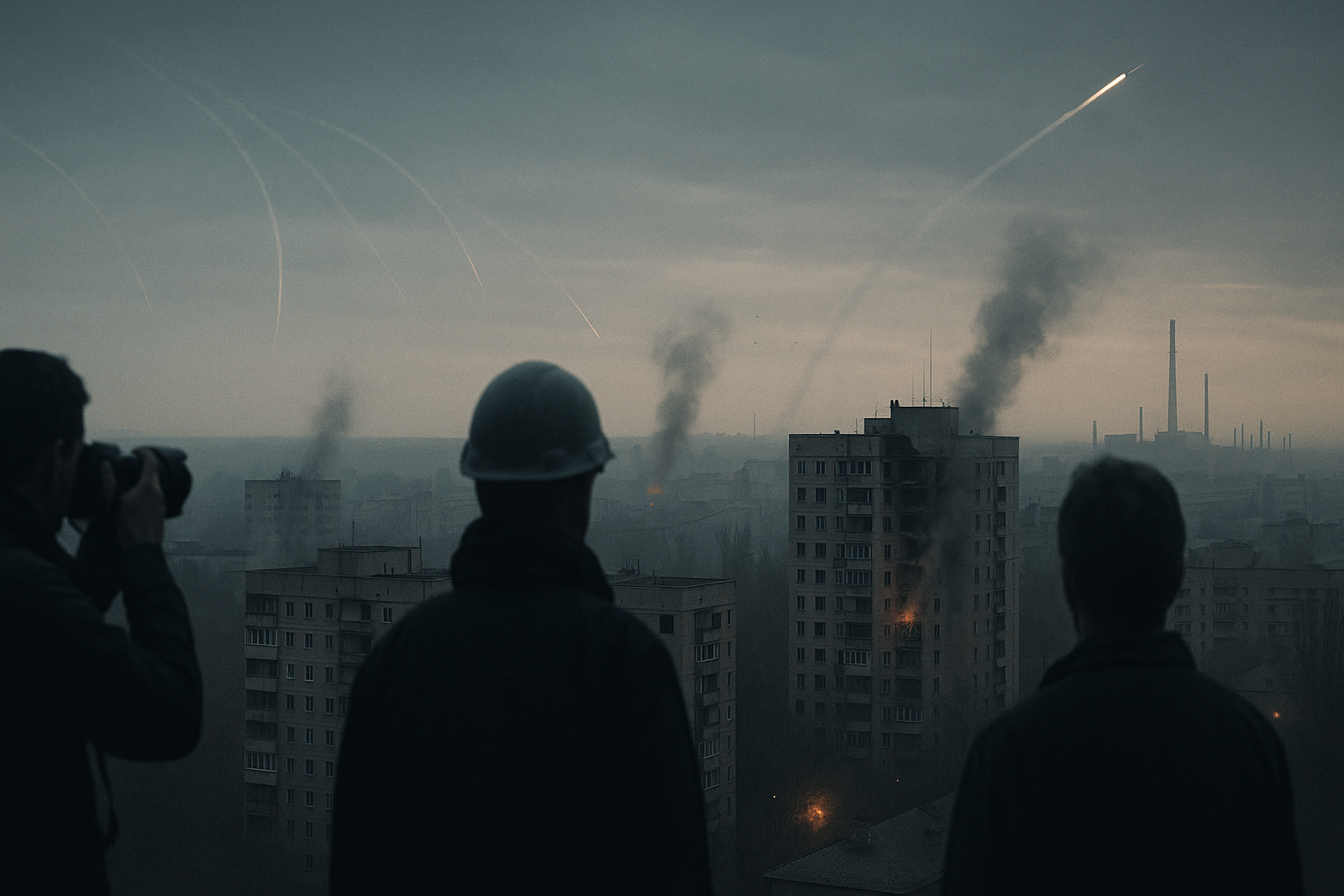
The Russia-Ukraine conflict has intensified yet again, grabbing global attention as fresh missile strikes hit several cities in eastern Ukraine. Each new escalation not only adds to the humanitarian toll but also reshapes the geopolitical chessboard in real-time. This latest surge underscores the conflict’s unpredictability and the far-reaching consequences already felt well beyond the region.
I find this series of events especially important to analyze now, as many people around the world are asking: What does this mean for those directly in harm’s way, and how could it ripple into international dynamics? With so many moving pieces—the military strategies, diplomatic responses, and the stories of ordinary people—there’s much to illuminate.
What's Happening
Over the past several days, Russia has launched new missile attacks targeting key cities in eastern Ukraine. Reports from Ukrainian officials confirm multiple missile impacts in cities such as Kharkiv, Sloviansk, and Kramatorsk. Civilian infrastructure—including residential buildings, hospitals, and energy facilities—has suffered significant damage, leading to injuries and loss of life.
- Casualties: Dozens have reportedly been killed or wounded, though numbers continue to shift as rescue efforts proceed.
- Infrastructure damage: Power outages, disrupted water supplies, and destroyed buildings are being reported across struck cities.
- International response: Western governments have condemned the strikes, calling for renewed sanctions and emergency support to Ukraine.
- Ukrainian counteractions: Ukrainian military officials claim to have intercepted several missiles but warn of intensified attacks across the frontlines.
This surge comes amid a broader pattern—Russia leveraging missile and drone strikes to weaken Ukrainian defenses and morale, while targeting critical infrastructure ahead of what many anticipate as a protracted phase in the war.
Why This Matters
These new missile strikes can’t be viewed in isolation—they represent a significant escalation at a moment when diplomatic solutions seem increasingly distant. The impact on civilians is immediate and devastating, putting thousands at risk and exacerbating an ongoing humanitarian crisis.
The strikes also threaten to destabilize not just Ukraine, but the broader European region, pushing neighboring countries to bolster their own defenses and brace for the possibility of further spillover.
Furthermore, the world’s attention is sharply focused on energy supplies, grain exports, and international law—all of which are intimately tied to how this conflict evolves. Each escalation raises difficult questions about security, sovereignty, and the limits of external intervention.
Different Perspectives
Ukrainian Government and Supporters
Ukrainian leaders and their allies condemn the attacks as unlawful aggression targeting civilians, calling for sustained international support, more advanced weaponry, and increased sanctions against Russia. From this standpoint, the strikes reaffirm the need to stand firm against what is seen as flagrant violation of Ukraine’s sovereignty.



