
Introduction
The world’s attention remains riveted on eastern Ukraine, where fierce battles around the Donbas region continue to define the evolving Russia-Ukraine conflict. In recent weeks, significant troop movements and escalating clashes have shaped headlines and raised fresh questions about the trajectory of this grinding war.
Ongoing developments in Donbas offer a microcosm of the broader struggle—not just between armies, but over the very future of Ukraine and regional stability. I find this moment especially compelling because it combines real-time military shifts with long-term strategic implications, all under the intense scrutiny of international audiences.
What's Happening
Current reports detail a surge in active combat zones and troop deployments in eastern Ukraine. Here’s what has unfolded:
- Heavy fighting: Ukrainian and Russian forces are engaged in sustained clashes along the front lines, with particular intensity near cities like Bakhmut, Avdiivka, and Marinka.
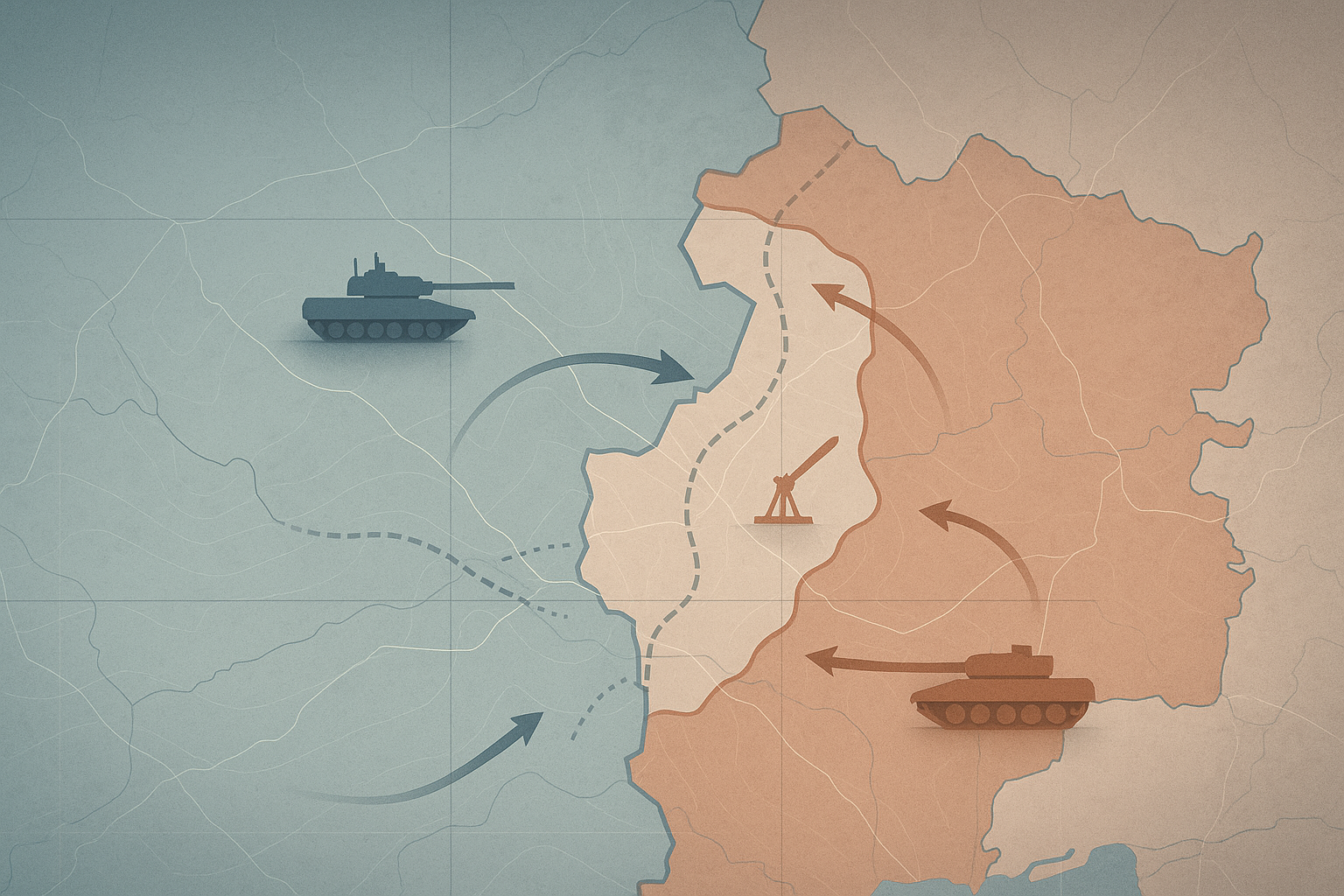
- Troop movements: Satellite imagery and open-source intelligence point to the redeployment of Russian battalions and armored units toward the Donbas axis, suggesting preparations for renewed offensives or defensive consolidation.
- Ukrainian counteroperations: Ukrainian brigades continue to mount limited counterattacks, seeking to blunt Russian advances and reclaim lost ground, though progress remains incremental and costly.
- Civilian impacts: Shelling and disruptions have displaced thousands, with humanitarian organizations reporting urgent needs in contested cities and towns.
The Donbas region, split between Ukrainian-held territory and Russian-occupied areas, remains a focal point for both military and political objectives. Both sides appear to be recalibrating strategies in response to shifting conditions, available resources, and shifting levels of foreign support.
These developments are not occurring in isolation. Ongoing arms shipments, evolving battlefield tactics, and shifting weather conditions all influence the tempo and nature of the fighting.
Why This Matters
The outcome of these ongoing battles could have far-reaching consequences, not only for Ukraine and Russia but for the broader European security order. Donbas is home to key industrial infrastructure and transportation corridors, making it a strategic prize for both sides.
For Ukraine, holding the line in the east is about more than territory—it’s about demonstrating resilience and maintaining international support. For Russia, securing Donbas would provide leverage in any future negotiations and validate months of costly military investment.
Beyond the military calculus, prolonged conflict in this region risks further humanitarian disasters, economic decline, and global uncertainty, especially as energy supplies and food exports remain vulnerable to disruption.
Different Perspectives
Ukrainian View
Many Ukrainians see holding or retaking ground in Donbas as essential for national survival and sovereignty. There are widespread calls for sustained Western support and advocacy for further sanctions on Russia.



